
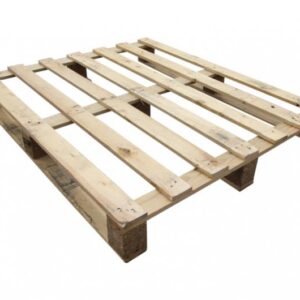
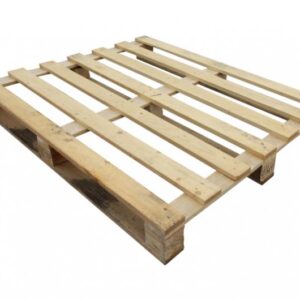
Level Up Your Logistics with the Lightweight Four-Way Three-Leg Pallet (1200 x 1000 mm)
Ever felt like your warehouse operations are being weighed down – literally? If you’re constantly battling with heavy, cumbersome pallets that make handling a chore and shipping costs climb, then it’s time to introduce yourself to a game-changer: the Lightweight Four-Way Three-Leg Pallet (1200 x 1000 mm).
Now, I know what you might be thinking. “Another pallet? What’s so special about this one?” Well, prepare to be pleasantly surprised! This isn’t just any pallet; it’s a meticulously designed piece of logistics equipment that offers a fantastic blend of strength, maneuverability, and cost-effectiveness. Let’s dive in and see why this particular pallet might be the missing piece in your operational puzzle.
The Big Picture: Why Pallets Matter (and Why This One Stands Out)
Pallets are the unsung heroes of our global supply chains. They’re the workhorses that allow us to move goods efficiently from point A to point B, whether that’s across a factory floor or across continents. But not all pallets are created equal. Traditional wooden pallets, while a staple, can come with their own set of challenges:
- Weight: They can be surprisingly heavy, especially when damp or damaged, impacting your shipping costs and making manual handling a strain.
- Durability: Splinters, nails, and general wear and tear can lead to product damage and pose safety risks.
- Hygiene: They can harbor pests and moisture, which is a big no-no in many industries.
The Lightweight Four-Way Three-Leg Pallet addresses these concerns head-on, offering a modern and efficient alternative. Let’s break down what makes it so special.
Unpacking the Features: What Makes This Pallet a Winner?
The name itself tells you a lot. Let’s dissect it:
- Lightweight: This is perhaps its most immediate and impactful benefit. By using advanced materials (often high-density polyethylene – HDPE, or similar robust plastics), these pallets significantly reduce dead weight compared to their wooden counterparts. This translates directly into lower transportation costs – less weight means more product per shipment, or simply a lower bill from your shipping carrier. It also makes manual handling much easier and safer for your team.
- Four-Way Entry: This is a crucial design element for your forklift operators! It means that a forklift can access the pallet from any of the four sides. No more fumbling or frustrating maneuvering to get the forks in. This dramatically increases handling efficiency in busy warehouse environments. Imagine the time saved when your team isn’t wasting precious minutes trying to align a pallet for entry.
- Three-Leg Design: This refers to the specific structure of the pallet’s base. The “legs” provide stable support points. In conjunction with the four-way entry, this design often offers a great balance of strength and material efficiency. It’s engineered to support significant loads without requiring excessive material, contributing to its lightweight nature.
- Dimensions (1200 x 1000 mm): This is a very common and versatile pallet size, often referred to as an Australian or Industrial pallet. These dimensions are widely compatible with most racking systems, automated handling equipment, and shipping containers, making it a flexible choice for a wide range of applications.
The Advantages You Can’t Ignore
So, you’ve got a pallet that’s lighter, easier to handle, and fits standard systems. That’s great, but let’s talk about the tangible benefits this brings to your business.
1. Enhanced Operational Efficiency
Think about the daily grind in your warehouse. Every second counts. The four-way entry alone streamlines operations by:
- Faster Loading and Unloading: Forklift drivers can approach the pallet from any side, reducing the time spent aligning.
- Reduced Congestion: Less time spent maneuvering means less traffic buildup in aisles.
- Easier Manual Handling: When team members need to move pallets manually (perhaps with a hand pallet jack), the lighter weight and four-way entry make it a far less strenuous task.
2. Significant Cost Savings
This is where the business case truly shines.
- Reduced Shipping Costs: As mentioned, lower tare weight directly translates to lower freight bills, especially for long-haul or air freight.
- Increased Durability and Longevity: High-quality plastic pallets are incredibly durable. They don’t splinter, rot, or suffer from insect infestation like wood can. This means a longer lifespan, reducing the frequency of replacement and the associated costs.
- Reduced Product Damage: A stable, damage-free pallet means fewer damaged goods reaching your customers, leading to fewer returns and higher customer satisfaction.
- Lower Maintenance Costs: Unlike wooden pallets that require constant inspection, repair, or disposal, plastic pallets are virtually maintenance-free.
3. Improved Safety and Hygiene
Your team’s well-being and the integrity of your products are paramount.
- Reduced Risk of Injury: Lighter pallets mean less strain on your employees’ backs and bodies during manual handling. The absence of nails and splinters also eliminates a common cause of workplace injuries.
- Hygienic Surface: Plastic pallets offer a non-porous, easy-to-clean surface. This is crucial for industries like food and beverage, pharmaceuticals, and any sector with strict hygiene regulations. They resist moisture absorption, preventing the growth of mold and bacteria.
4. Environmental Benefits
In today’s world, sustainability is more important than ever.
- Reduced Waste: The exceptional durability of these pallets means they last much longer, reducing the need for constant disposal and replacement. Many plastic pallets are also fully recyclable at the end of their life, contributing to a circular economy.
- Lighter Shipping Footprint: As we’ve discussed, lighter pallets mean more fuel-efficient transportation, reducing your carbon footprint.
When to Consider the Lightweight Four-Way Three-Leg Pallet
This pallet is a fantastic all-rounder, but it truly excels in the following scenarios:
- High-Volume Distribution Centers: Where efficiency and speed are critical, the four-way entry and lightweight design offer significant advantages.
- Food and Beverage Industry: The hygienic, non-porous surface is a must-have.
- Pharmaceuticals: Maintaining product integrity and hygiene is paramount.
- Export Markets: Reducing shipping weight can lead to substantial cost savings.
- Industries with Strict Safety Regulations: The reduced risk of injury is a major plus.
- Automated Warehousing: Their consistent dimensions and durability make them ideal for automated systems.
Comparing Your Options: A Quick Look
To help you visualize the benefits, let’s put some of the key advantages into a table.
| Feature | Lightweight Four-Way Three-Leg Pallet (Plastic) | Standard Wooden Pallet (e.g., GMA/Euro) |
|---|---|---|
| Average Weight | 10-18 kg (approx.) | 20-25 kg (approx., can vary greatly) |
| Entry Type | Four-Way | Typically Two-Way (some four-way exist) |
| Durability | Very High (Resists rot, splinters, moisture) | Moderate (Susceptible to damage, rot) |
| Lifespan | Very Long (often 5-10+ years with good care) | Shorter (prone to breakage, wear) |
| Hygiene | Excellent (Non-porous, easy to clean) | Fair to Poor (porous, difficult to clean) |
| Cost (Initial) | Higher than basic wood | Lower than plastic |
| Cost (Lifecycle) | Lower due to longevity & efficiency | Higher due to replacements & damage |
| Safety | High (no splinters, lighter to handle) | Moderate (splinters, nails can be hazards) |
| Environmental | Recyclable, reduces shipping emissions | Renewable resource, but prone to waste |
Note: Weights are approximate and can vary based on specific design and material density.
Making the Switch: What to Consider
While the benefits are clear, remember to assess your specific operational needs.
- Load Capacity: Ensure the pallet you choose has a load capacity that meets your requirements. These lightweight pallets are designed for strength, but always check the specifications.
- Handling Equipment: Confirm compatibility with your existing forklifts, pallet jacks, and racking systems. The 1200 x 1000 mm size is generally very standard.
- Environment: Consider the typical temperature and humidity in your warehouse and during transit. Plastic pallets generally perform very well in a range of conditions.
Frequently Asked Questions
You’ve got questions? We’ve got answers!
Q1: Are these plastic pallets really strong enough for heavy loads? A1: Absolutely! Modern plastic pallets, especially those made from high-density polyethylene (HDPE), are engineered for significant load-bearing capacity. The three-leg design provides robust support, and the material properties offer excellent strength-to-weight ratios. Always check the specific load rating for the pallet model you are considering.
Q2: How do I clean a plastic pallet? A2: Cleaning is remarkably simple! A hose-down, a pressure washer, or even a damp cloth is usually sufficient. Because the material is non-porous, dirt and contaminants don’t get absorbed, making them much easier to sanitize than wooden pallets.
Q3: I’m worried about the initial cost compared to wooden pallets. A3: It’s a common concern, but it’s crucial to look at the total cost of ownership. While the upfront price of a plastic pallet might be higher, its significantly longer lifespan, reduced shipping costs, lower risk of product damage, and reduced handling injuries often make it a more cost-effective solution over its lifetime. Think of it as an investment that pays dividends.
Q4: Can I use these pallets in standard racking systems? A4: Yes, the 1200 x 1000 mm size is a standard industrial dimension and is generally highly compatible with most common racking systems, including selective, drive-in, and push-back racks.
Q5: What happens to these pallets at the end of their life? A5: Many manufacturers offer take-back or recycling programs for their plastic pallets. Since they are typically made from recyclable plastics like HDPE, they can be ground down and reprocessed into new products, contributing to a more sustainable supply chain.
The Verdict: A Smart Move for Modern Logistics
The Lightweight Four-Way Three-Leg Pallet (1200 x 1000 mm) isn’t just an alternative; it’s an upgrade. It’s designed for the demands of today’s fast-paced, cost-conscious, and safety-focused logistics environment. By reducing weight, enhancing maneuverability, and offering superior durability and hygiene, you’re not just buying a pallet – you’re investing in smoother operations, significant cost savings, and a safer, more sustainable future for your business.
Ready to lighten your load and boost your efficiency? It might be time to give this versatile pallet a serious look. Your team, your bottom line, and the environment will thank you for it!
Reviews
There are no reviews yet.