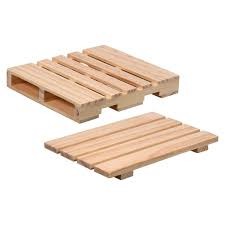
How to Get Rid of Wooden Pallets – A Complete Guide
Wooden pallets are the unsung workhorses of the supply chain. They transport everything from fresh produce to furniture, and when a shipment arrives they’re often left piling up in garages, storefronts, or warehouses. If you’ve ever wondered what to do with those bulky, weather‑worn platforms, you’re not alone. This guide walks you through every realistic option—whether you want to make a little cash, help the community, or simply disappear them responsibly.
Why Getting Rid of Pallets Isn’t Just “Throw‑It‑Away”
| Factor | What It Means for You | Why It Matters |
|---|---|---|
| Space | Pallets can occupy several square feet each. | Freeing up storage or floor space improves safety and efficiency. |
| Safety | Loose pallets become tripping hazards and can splinter. | Reducing accidents protects employees, customers, and yourself. |
| Cost | Some disposal services charge per pallet; others charge by weight. | Choosing the right method can save you money. |
| Environmental Impact | Wood is biodegradable, but landfill space is limited. | Recycling or reusing reduces waste and carbon footprint. |
| Legal/Compliance | Certain jurisdictions restrict dumping of wood waste. | Following local regulations avoids fines. |
Understanding these drivers helps you pick a solution that fits your budget, time constraints, and sustainability goals.
1. Reuse – The First‑Line, No‑Cost Option
a. Internal Repurposing
| Use | Description | Pros | Cons |
|---|---|---|---|
| Shipping & Storage | Use pallets as makeshift shelving or to create a “pallet rack” system. | Zero extra cost, easy to implement. | Not as sturdy as commercial racking. |
| Flooring & Staging | Lay pallets flat to protect floor surfaces during events or renovations. | Provides a stable base, reusable. | Can be noisy; may need additional covering. |
| DIY Projects | Turn pallets into coffee tables, garden planters, or wall art. | Creative, adds value, can be sold later. | Requires tools and time. |
If you have a workshop, warehouse, or even a home garage, the quickest way to get rid of pallets is to put them to work right where they are.
b. Share With Colleagues or Neighboring Businesses
- Bulletin‑board posting – Write a short “Free Pallets” note on your shop’s community board or online local forum (e.g., Nextdoor, Facebook Marketplace).
- Inventory list – Keep a small spreadsheet of pallet dimensions and condition so potential takers know what they’re getting.
This “give‑away” method is essentially free, generates goodwill, and clears space instantly.
2. Sell – Turn Wood Into Cash
If your pallets are in decent condition (no rot, splinters, or heavy contamination), you can monetize them.
a. Where to Sell
| Platform | Typical Audience | Listing Tips |
|---|---|---|
| Online Marketplaces (eBay, Craigslist, Facebook Marketplace) | DIY‑enthusiasts, small retailers, hobbyists | Include clear photos, dimensions, and condition notes. |
| Industrial Supply Sites (PalletBiz, PalletOne) | Larger businesses, freight companies | Provide bulk pricing; mention any certifications (e.g., heat‑treated). |
| Local Farm Co‑ops & Garden Centers | Urban gardeners, small farms | Emphasize “natural wood” for raised beds. |
| Construction & Renovation Companies | Contractors needing temporary flooring | Highlight durability and load‑bearing capacity. |
b. Pricing Guide (2025 US Market)
| Pallet Condition | Approx. Price per Pallet (USD) |
|---|---|
| New, Heat‑Treated (HT) | $12‑$18 |
| Good‑Condition, Untreated | $5‑$9 |
| Damaged/Used (but salvageable) | $2‑$4 |
| Bulk (100+ pallets) | 10‑20% discount on above rates |
Price varies by region, wood type (pine vs. hardwood), and whether the pallet meets USDA/International Standards for export.
c. Quick Checklist Before Selling
- Inspect for broken boards, nails, or mold.
- Clean – Brush off dirt; a quick power‑wash can boost price.
- Document – Take photos from multiple angles.
- List – Use the “Pallet Condition” table to set realistic expectations.
3. Donate – Good Deeds, Tax Deductions
Many non‑profits love free pallets. Below are the most common recipients:
| Recipient | Typical Use | How to Connect |
|---|---|---|
| Food Banks & Shelters | Stacking donated goods | Call your local food bank’s logistics manager. |
| Community Gardens | Building raised beds, compost bins | Reach out to city horticulture departments or garden clubs. |
| Schools & Makerspaces | STEM projects, classroom furniture | Email the facilities coordinator. |
| Disaster‑Relief Organizations | Temporary shelters, storage | Contact the Red Cross or similar agencies. |
Tax Benefits
If you’re a U.S. business, donations of tangible property (like pallets) are deductible as charitable contributions. Keep a receipt from the receiving organization, note the fair market value (use the pricing guide above), and file IRS Form 8283 if total non‑cash donations exceed $500.
4. Recycle – The Environmentally Friendly Route
When pallets can’t be reused, sold, or donated, recycling is the next best step.
a. What Recycling Does
- Disassembly – Pallets are broken down into individual boards.
- Screening – Boards are sorted by grade (e.g., “new” vs. “scrap”).
- Processing – Cleaned wood is chipped into mulch, turned into particleboard, or used for bio‑fuel.
b. Finding a Recycler
| Service Type | Typical Cost | Turn‑Around Time | How to Locate |
|---|---|---|---|
| Local Wood‑Waste Facility | $0‑$15 per pallet (often per ton) | 1‑3 days | Search “wood pallet recycling + [your city]”. |
| Construction & Demolition (C&D) Landfills | $30‑$50 per ton | Immediate (drop‑off) | Contact your municipal waste department. |
| Specialty Pallet Recyclers (e.g., Pallet Recycling Inc.) | $10‑$25 per pallet (often bulk rates) | 1‑2 weeks | Look for certified “Heat Treated (HT)” recyclers if you need export‑ready wood. |
c. DIY Recycling at Home
If you have a small garden, you can turn pallets into mulch or compost directly:
- Cut the pallet into 2‑inch strips using a circular saw.
- Lay the strips in a thin layer on a sunny spot for 2‑3 weeks to dry.
- Shred (optional) with a garden shredder.
- Compost – Mix with other green waste; the wood will break down over 6‑12 months.
5. Upcycle – Turn Pallets Into Something New
Upcycling merges creativity with sustainability. Below are three popular projects that also double as marketing material if you run a business (think “hand‑crafted pallet signage” for your storefront).
| Project | Materials Needed | Approx. Time | Potential Revenue |
|---|---|---|---|
| Pallet Coffee Table | Sandpaper, stain/paint, glass top, 4 caster wheels | 4‑6 hrs | $80‑$150 (if sold) |
| Garden Planter Box | Landscape fabric, soil, plants | 2‑3 hrs | None; adds value to your property |
| Pallet Wall Shelf | Brackets, screws, paint | 1‑2 hrs | $30‑$60 per shelf (retail) |
Tips for Successful Upcycling
- Safety first – Wear goggles and gloves; watch for hidden nails.
- Treat the wood – Apply a wood preservative or sealant if the pallet will be outdoors.
- Document the process – Photos and step‑by‑step guides can become content for your blog or social media, turning waste into marketing.
6. Dispose – The Last Resort
If all else fails, you may need to discard pallets. Because wood is biodegradable, many municipalities allow it in regular trash, but there are nuances:
| Disposal Method | Cost | Environmental Impact | Typical Restrictions |
|---|---|---|---|
| Curbside Trash | $0‑$50 per load (depending on local fees) | Low – wood ends up in landfill | May be limited to a certain volume per week. |
| Bulk Waste Pickup | $75‑$150 per pickup | Moderate – still landfill, but larger loads reduce trips | Requires scheduling; often only for commercial accounts. |
| Incineration (Energy Recovery) | $30‑$70 per ton | Moderate – wood is burned for energy, reducing landfill waste | Must meet local air‑quality regulations. |
| Landfill Direct | $30‑$80 per ton | High – occupies space permanently | Some landfills refuse wood due to pest concerns. |
Before you toss: Double‑check with your city’s waste management department for any special rules (e.g., no pallets with chemical residues, no untreated wood in certain landfills).
Decision‑Making Cheat Sheet
| Goal | Best Method(s) | Quick Action |
|---|---|---|
| Save Money | Reuse internally, give away, sell locally | Post “Free Pallets” on community board. |
| Earn Cash | Sell on online marketplaces or to bulk buyers | Take photos, list on Facebook Marketplace. |
| Boost Community Reputation | Donate to schools, shelters, or gardens | Call local non‑profits, arrange drop‑off. |
| Minimize Environmental Footprint | Reuse → Recycle → Upcycle | Evaluate condition, choose the highest tier possible. |
| Urgent Space Clearance | Bulk waste pickup or landfill (if no other options) | Call waste services, schedule a pickup. |
Frequently Asked Questions (FAQ)
| Question | Answer |
|---|---|
| Do I need to treat pallets before donating or selling? | Not always. Heat‑treated (HT) pallets are safe for international shipping, but most domestic buyers accept untreated pallets as long as they’re clean and free of pests. |
| Can pallets be composted directly? | Yes, but they must be free of chemicals, nail coatings, or paint. Break them down into small strips first to speed decomposition. |
| What’s the difference between “HT” and “KD” pallets? | HT = Heat‑treated (≥ 56 °C for 30 min) – meets most phytosanitary standards. KD = Kiln‑dried – dried in a kiln, also acceptable for many export markets. |
| How many pallets can a typical dumpster hold? | A standard 3‑yard dumpster can fit 12‑15 standard 48 × 40 in. pallets stacked flat. Always check with your dumpster provider for weight limits. |
| Are there tax incentives for pallet recycling? | Some states offer “green waste” tax credits for businesses that divert wood from landfills. Consult a tax professional and check your state’s environmental agency. |
| Can I recycle pallets that once held chemicals or food? | Only if they’re clean and free of hazardous residues. Pallets from chemical drums usually need special disposal; contact your local hazardous waste program. |
| What tools do I need to dismantle pallets safely? | A pry bar, hammer, reciprocating saw (or a circular saw with a fine‑tooth blade), safety goggles, work gloves, and a nail puller or “pallet jack” for heavy loads. |
| Is it worth repairing damaged pallets for resale? | Minor broken boards can be glued or replaced, increasing resale value by up to 30 %. However, extensive damage often isn’t cost‑effective—better to recycle. |
| Do I need a business license to sell pallets? | Generally, no, as long as you’re selling as a private individual. If you operate a regular pallet‑selling operation, check local zoning and licensing requirements. |
| How can I track my pallet disposal for sustainability reporting? | Keep a simple spreadsheet: date, quantity, method (reuse, sell, donate, recycle, disposal), and any cost/revenue. Export the file for ESG reports or internal KPIs. |
Final Thoughts
Getting rid of wooden pallets doesn’t have to be a chore. By evaluating the condition of your pallets and aligning the disposal method with your priorities—whether that’s saving space, making a little cash, supporting the community, or protecting the planet—you’ll turn a nuisance into an opportunity.
Remember the hierarchy: Reuse ➜ Sell ➜ Donate ➜ Recycle ➜ Upcycle ➜ Dispose. Follow the cheat sheet, use the tables for quick reference, and you’ll clear out those pallets efficiently and responsibly.
Got a creative pallet project or a local recycling tip you swear by? Share it in the comments below—let’s keep the circular‑economy conversation rolling!
Happy pallet‑picking!
References & Resources
- USDA “International Standards for Phytosanitary Measures (ISPM 15)” – guidelines on HT and KD pallets.
- EPA “Wood Waste Management” – environmental impact data for wood recycling vs. landfill.
- IRS Publication 526 – charitable contributions and documentation requirements.