Wood Pallet Disassembly Tools: The Complete Guide for DIY‑ers and Small‑Biz Owners
Whether you’re repurposing pallets for furniture, building a garden compost bin, or simply trying to free up storage space, the way you take a pallet apart will determine how clean, fast, and safe the job is. In this post you’ll discover the essential tools, the pros and cons of each, budgeting tips, safety considerations, and a handy FAQ to keep you moving forward without a hitch.
1. Why Choosing the Right Tool Matters
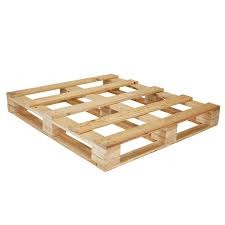
A pallet is a compact bundle of softwood (often pine or spruce) or hardwood (such as oak) held together by a mixture of nails, staples, and sometimes plastic fasteners. If you try to pry it apart with a screwdriver or a hammer alone, you’ll:
| Problem | Typical Result |
|---|---|
| Insufficient leverage | Time‑consuming “wiggle” work, many stripped fasteners |
| Improper tool use | Bent nails, splintered wood, possible injury |
| Lack of safety gear | Hand or eye injuries, hearing damage from power tools |
Investing in the right set of tools reduces wasted effort, protects the wood (so you can reuse it intact), and keeps you safe.
2. Core Tools for Pallet Disassembly
Below is a quick‑reference table that categorises the most common tools, explains when to reach for each, and outlines the cost range you can expect.
| Tool Category | Specific Models (Examples) | Typical Use Cases | Price Range (USD) | Pros | Cons |
|---|---|---|---|---|---|
| Manual Pry Bar / Crowbar | Stanley 16‑oz 4‑in. pry bar, Tekton 2‑in. nail puller | Light‑weight pallets, DIY hobbyists | $5‑$25 | Low cost, portable, no power source needed | Physical effort required, limited for heavily nailed pallets |
| Reciprocating Saw (Sawzall) | DeWalt DWE305, Makita JR3050 | Fast removal of nails & wood with a metal‑cutting blade | $80‑$200 | Cuts through nails, quick material removal | Generates dust, needs power source, louder |
| Nail Puller / Nail Extractor | IRWIN 2‑in. cat’s paw, Bessey 4‑in. fastener extractor | Extract nails without damaging board edges | $10‑$40 | Precise nail removal, minimal wood damage | Slower on large piles, limited reach |
| Pallet Buster / Pallet Disassembler | Palmer Pallet Buster, Brute Force Pallet Breaker | Designed specifically for breaking down standard 48‑in. pallets | $150‑$400 | Very fast, can process multiple pallets per hour | Bulkier, more expensive, may still need a pry bar for stubborn nails |
| Rotary Hammer with Chisel Bit | Bosch 11255VSR, Hilti TE 6‑A32 | Remove embedded staples or metal spikes | $120‑$350 | Powerful, works on both nails & staples | Heavy, requires skill to avoid wood splintering |
| Cordless Impact Driver + Nail Set | Milwaukee M18, Ryobi P215 | Driving out nails after they’re lifted; useful for “reverse” extraction | $70‑$150 (driver) + $10‑$30 (bit) | Fast, battery‑operated (portable) | Needs compatible bit set, battery life can limit long sessions |
| Safety Gear (not a “tool” but essential) | Cut‑resistant gloves, safety glasses, earplugs, dust mask | All disassembly operations | $15‑$100 (full set) | Protects you from cuts, flying debris, noise, dust | None (must be used) |
Tip: For most hobbyists, a combination of a pry bar, a nail puller, and a reciprocating saw covers 90 % of scenarios while staying under $150 total.
3. Step‑by‑Step Disassembly Workflow
Below is a practical workflow that uses the tools above in the order most people find efficient.
| Step | Action | Recommended Tool(s) | How‑to Tips |
|---|---|---|---|
| 1. Inspection | Identify fastener type (nail, staple, plastic spike). | Eyes + safety glasses | Look for the “top‑down” pattern; older pallets often have rusted nails. |
| 2. Remove Loose Boards | Separate any board that’s already detached. | Hands, gloves | This reduces the number of fasteners you’ll face later. |
| 3. Loosen Fasteners | Pry up the heads of nails/staples. | Pry bar + nail puller | Position the pry bar at a 45° angle for max leverage; tap gently with a hammer if needed. |
| 4. Cut Through Stubborn Fasteners | Saw through nails that won’t budge. | Reciprocating saw (metal‑cutting blade) | Use a short blade (4‑5 in.) and keep the saw close to the wood to avoid waste. |
| 5. Strip the Boards | Pull the loosened boards away from the frame. | Pry bar, impact driver (optional) | If a nail is partially out, an impact driver can finish the extraction without crushing the wood. |
| 6. Clean & Sort | Remove any remaining metal fragments and sort wood by condition. | Hand, magnetic sweep, safety gloves | Separate “good” boards for reuse from splintered ones you’ll recycle. |
| 7. Store Safely | Stack clean boards in a dry area. | None (but a pallet jack may help) | Keep the wood off the ground to prevent moisture absorption. |
4. Budgeting: How Much Should You Spend?
If you’re on a shoestring budget, you can start with just two tools:
- A sturdy pry bar – $10‑$15.
- A basic nail puller – $10‑$20.
Add a low‑cost reciprocating saw (often found on sale for $80) and you have a complete setup under $120.
For commercial operations (e.g., a small salvage yard or a furniture‑making shop), the Pallet Buster or a rotary hammer can dramatically increase throughput. Expect a return on investment within 3‑6 months if you process 100‑150 pallets per month, given that clean pallet wood can fetch $2‑$5 per board on the secondary market.
5. Safety First – The Rules You Can’t Ignore
| Hazard | Preventive Action |
|---|---|
| Flying splinters or metal fragments | Wear cut‑resistant gloves and safety glasses at all times. |
| Noise exposure | Use earplugs or earmuffs when operating power tools (reciprocating saw, rotary hammer). |
| Dust inhalation | A N95 mask or dust mask is essential, especially when cutting wood. |
| Hand injuries from nail spikes | Keep the pry bar’s tip away from your fingers; always pull nails toward the tool, not your hand. |
| Electrical accidents | If you use corded tools, inspect cords for damage and keep them away from wet surfaces. |
A quick pre‑job checklist can save you a trip to the ER:
- Verify that all safety gear is in good condition.
- Inspect tools for wear, especially blades and bits.
- Ensure the work area is clear of tripping hazards.
- Test the power source (battery charge, extension cord).
6. Choosing the Right Tool for Your Project
| Project Type | Primary Goal | Recommended Tool(s) | Reasoning |
|---|---|---|---|
| DIY furniture (e.g., coffee table) | Preserve clean, undamaged boards | Pry bar, nail puller, hand saw for trimming | Minimal force needed, focus on wood integrity |
| Large‑scale pallet recycling | Speed, volume | Pallet Buster or rotary hammer + bulk pry bar | High throughput, reduces manual labor |
| Garden compost bin build | Cheap, quick dismantling | Reciprocating saw + safety gloves | Cutting through many nails quickly, doesn’t matter if some boards are slightly damaged |
| Art installations (mixed‑media) | Extract both wood and metal fasteners for reuse | Impact driver + magnetic sweep + pry bar | Allows precise removal of metal while preserving wood for artistic manipulation |
7. Maintenance of Your Disassembly Tools
- Cleaning – After each session wipe metal blades with a dry rag; remove rust with a light coat of WD‑40.
- Sharpening – Keep saw blades sharp; a dull blade can cause “jamming” and increase the effort needed.
- Storage – Hang pry bars on a pegboard, store power tools in a dry cabinet, and keep batteries charged.
- Inspection schedule – Perform a quick visual check before every weekend project; replace any cracked handles or worn bits immediately.
Frequently Asked Questions (FAQ)
| Question | Answer |
|---|---|
| Do I really need a reciprocating saw? | Not always. If you only have a few pallets with older, soft nails, a pry bar and nail puller may be enough. However, for modern pallets that use hardened steel nails or staples, a reciprocating saw dramatically speeds up the process. |
| Can I use a hammer drill instead of a rotary hammer? | A hammer drill can handle light staples, but a rotary hammer provides the impact force needed for deep‑set spikes without damaging the surrounding wood. For occasional use, a hammer drill works; for regular work, invest in a rotary hammer. |
| What’s the difference between a “Pallet Buster” and a regular crowbar? | A Pallet Buster is engineered with a hooked, tapered end that slides under the pallet’s top board, levering the entire structure apart in one motion. A crowbar only offers linear leverage, requiring you to work board‑by‑board. |
| Are there any environmentally‑friendly alternatives to metal tools? | Some manufacturers now offer fiberglass pry bars that are non‑conductive and lighter than steel, reducing fatigue. However, they still have a steel tip for durability. |
| How do I dispose of the nails and metal fragments safely? | Collect them in a sturdy metal container, then take them to a local scrap metal recycling facility. Never pour nails down the drain or toss them in regular trash; they can cause injuries or damage equipment. |
| What thickness of blade should I use on a reciprocating saw? | For pallet nails, a bi‑metal 4‑5 in. blade (often labelled “Nail Cutting”) works best. If you’re also cutting through the wood for custom sizes, a high‑carbon steel blade can be swapped in. |
| Is it worth buying a second‑hand pallet disassembler? | Yes, provided you inspect the hydraulic system for leaks and ensure the lever arm is still functional. Used units can be 30‑40 % cheaper than new ones, but consider the cost of possible repairs. |
| Can I reuse the nails I pull out? | Absolutely—cleaned nails can be sold as scrap metal or reused in other projects. Make sure to remove any rust or coatings before re‑using them. |
| What’s the best way to keep wood dry after disassembly? | Store the boards on a raised platform (e.g., pallets turned upside‑down) in a covered, well‑ventilated area. Avoid direct contact with the ground, which can cause moisture wicking and eventual rot. |
| Do any tools work on plastic fasteners? | Plastic spikes are common on “shipping pallets.” A rotary hammer with a chisel bit or a sharp utility knife can cut them cleanly. Avoid using a hammer alone, as plastic can shatter and create sharp fragments. |
8. Wrapping Up – Your Action Plan
- Assess your needs – How many pallets do you plan to break down, and what condition must the wood be in?
- Pick your starter kit – Pry bar, nail puller, and a cheap reciprocating saw will get you 90 % of the way there.
- Invest in safety – Gloves, glasses, ear protection, and a dust mask are non‑negotiable.
- Test on a single pallet – Work through the step‑by‑step workflow to identify any bottlenecks.
- Scale up – If you’re processing more than 20 pallets per week, consider a Pallet Buster or rotary hammer for speed.
By equipping yourself with the right tools and a solid process, you’ll turn what can be a messy, time‑draining chore into a smooth, profitable part of your workshop routine. Happy disassembling!