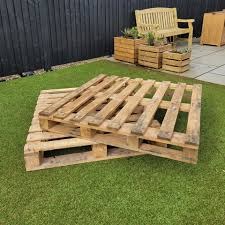
DIY Wood‑Pallet Sectional: Turn a Stack of Pallets into a Cozy, Custom Sofa
If you’ve ever stared at a pile of reclaimed pallets and imagined a sleek, low‑profile sectional lounging spot, you’re not alone. Pallet furniture has surged in popularity because it’s cheap, sustainable, and surprisingly stylish when you give it a little love. In this guide you’ll learn step‑by‑step how to transform raw wood pallets into a sturdy, comfortable sectional that fits your living room, patio, or man‑cave perfectly.
Why a Pallet Sectional?
| Benefit | What It Means for You |
|---|---|
| Cost‑Effective | A single pallet can cost $5–$15, while a full‑size sofa can run $500+. |
| Eco‑Friendly | Repurposing pallets reduces waste and gives new life to otherwise discarded wood. |
| Customizable | You decide the dimensions, cushion fabrics, and finish—no off‑the‑shelf limitations. |
| DIY Satisfaction | Building it yourself provides a sense of achievement and a conversation‑starter piece. |
1. Planning Your Sectional
Before you grab a hammer, spend a few minutes visualising the final product.
- Measure Your Space – Sketch the area where the sectional will live. Note ceiling height, doorways, and any obstacles.
- Decide the Layout – A typical pallet sectional is made from three main blocks: a center back, a left arm, and a right arm. You can also add a footrest or a coffee table underneath.
- Choose a Style – Do you want a rustic vibe with raw edges, or a sleek look with sanded, painted panels?
- Set a Budget – Include pallets, tools, fasteners, sandpaper, finish, cushions, and any upholstery fabric.
Quick Budget Snapshot
| Item | Qty | Approx. Cost (USD) |
|---|---|---|
| Reclaimed pallets | 6–8 | $60–$120 |
| 2×4 lumber (for framing) | 6 pieces (8‑ft) | $30 |
| Deck screws (2‑in.) | 1 box (100) | $8 |
| Wood glue | 1 bottle | $5 |
| Sandpaper (various grits) | 1 pack | $10 |
| Paint / stain | 1 gallon | $25 |
| Foam cushions (3‑in.) | 3 pcs | $45 |
| Fabric for upholstery | 12 yards | $120 |
| Tools (circular saw, drill, sander) – if you don’t own them | – | $0‑$150* |
| Total | – | $313‑$463 |
*If you already own the basic tools, the cost drops dramatically.
2. Gathering Materials & Tools
| Material | Purpose | Tips for Selection |
|---|---|---|
| Pallets | Form the main seat, back, and arms | Look for pallets marked “HT” (heat‑treated) rather than “MB” (treated with chemicals). Inspect for split boards or rot. |
| 2×4 lumber | Reinforce joints and create a hidden frame | Use straight, kiln‑dried pieces for added stability. |
| Deck screws (2‑in.) | Fasten the pallet panels together | Coarse‑thread screws hold wood better than fine‑thread wood screws. |
| Wood glue | Add extra bond strength | Choose a waterproof, yellow glue for interior use. |
| Sandpaper (80‑, 120‑, 220‑grit) | Smooth rough edges and prepare surface for finish | A random‑orbit sander speeds the job up. |
| Paint or stain | Protect wood & set aesthetic | If you want a natural wood look, use a clear polyurethane after staining. |
| Foam cushions | Provide seating comfort | High‑density 3‑in. foam works well; you can add a 1‑in. layer of memory foam on top. |
| Upholstery fabric | Cover the cushions | Choose a fabric suited to the intended use (outdoor acrylic for patios, cotton‑blend for indoor). |
| Tools | Cutting, drilling, assembling | Circular saw, drill/driver, screwdriver, measuring tape, carpenter’s square, clamps. |
3. Preparing the Pallets
- Disassemble (optional) – If you prefer a seamless look, you can take apart the pallets, sand each board, and re‑assemble them in a custom pattern. Otherwise, keep them intact to save time.
- Clean – Sweep away debris, then wipe with a mild detergent solution. Let dry completely.
- Inspect & Repair – Replace any broken boards with spare 2×4s or reclaimed planks. Apply wood filler to small cracks.
- Sand – Start with 80‑grit to remove splinters, then progress to 120‑ and finish with 220‑grit for a smooth surface.
Pro tip: Sand with the grain to avoid scorching the wood.
4. Building the Frame
A strong internal frame prevents sagging over time. Follow these steps for each section (back, left arm, right arm).
| Step | Action | Why It Matters |
|---|---|---|
| 1 | Cut four 2×4s to the desired height of the back (usually 30‑36 in.) | Forms the vertical posts. |
| 2 | Cut two 2×4s to the width of the back (often 60‑72 in.) | Horizontal rails that hold the pallets together. |
| 3 | Assemble a rectangle using wood glue and deck screws (pre‑drill pilot holes). | Creates a rigid “box” that the pallet will sit inside. |
| 4 | Add cross‑bracing (two 2×4s placed diagonally) for extra rigidity. | Prevents racking when you sit and shift. |
| 5 | Repeat for each arm, adjusting lengths for arm height (usually 30‑34 in.) and width (around 24‑30 in.). | Ensures symmetry and consistent support. |
Attaching Pallets to the Frame
- Position the pallet panel flush against the inside of the frame.
- Secure with 2‑in. deck screws every 6–8 inches along the perimeter.
- Reinforce corners with metal brackets if you want extra durability (optional).
5. Finishing Touches
a. Paint / Stain
- Stain first if you desire a natural wood tone; let it dry 24 h.
- Apply a clear polyurethane topcoat for protection against spills and sunlight. Use a brush or roller for even coverage.
b. Cushion Construction
| Item | Procedure |
|---|---|
| Foam | Cut foam to the exact dimensions of each seat/arm using a utility knife. |
| Batting (optional) | Wrap foam with upholstery batting to smooth edges. |
| Fabric | Cut fabric pieces 2–3 in. larger than the foam on all sides. Sew a simple envelope or use a staple gun to attach the fabric to the underside of the seat. |
| Attach cushions | Slip the fabric‑covered cushions onto the pallet seats. You can also secure them with Velcro strips for a snug fit. |
c. Add Accessories
- Throw pillows for extra comfort and styling.
- Side tables built from smaller pallets or reclaimed crates.
- Legs or risers (optional) if you need more clearance under the seat.
6. Putting It All Together
- Arrange the three sections (back, left arm, right arm) in your intended configuration.
- Secure the pieces together using long deck screws through the side frames, or simply leave them free‑standing if you prefer a modular look.
- Place your cushions and adjust as needed.
Take a step back—your DIY pallet sectional is now ready to welcome guests, binge‑watch your favorite series, or serve as a stylish outdoor lounge.
7. Maintenance Tips
- Spot‑clean spills promptly with a damp cloth; avoid harsh chemicals that can damage the finish.
- Re‑apply polyurethane every 12–18 months for outdoor pieces exposed to sunlight or moisture.
- Tighten screws annually; wood can expand/contract with humidity, causing fasteners to loosen.
Frequently Asked Questions (FAQ)
| Question | Answer |
|---|---|
| Do I need to treat the pallets for pests? | Choose heat‑treated (“HT”) pallets, which are pesticide‑free. If you pick “MB” pallets, sand them thoroughly and apply a sealant. |
| Can I use untreated pine pallets? | Yes, but they may be softer and prone to dents. Adding a solid internal frame (2×4s) mitigates this issue. |
| What thickness of foam is ideal? | 3‑in. high‑density foam offers a good balance of firmness and comfort. Add a 1‑in. memory‑foam layer on top for extra plushness. |
| Is it safe to sit on a pallet sectional without a frame? | While pallets are strong, a hidden frame greatly reduces sagging and prevents boards from shifting over time. |
| How do I make the sectional modular for easy moving? | Build each section as a separate unit with detachable legs. Use metal brackets and removable screws so you can disassemble quickly. |
| Can I paint the pallet sectional in bold colors? | Absolutely! Prime the wood first with a bonding primer, then apply a high‑quality latex or acrylic paint. Finish with a clear coat for durability. |
| What if the pallets have nail heads sticking out? | Use a nail set to drive them flush, then sand the area smooth. This prevents upholstery tearing. |
| Do I need a special sealant for outdoor use? | Choose a marine‑grade polyurethane or spar varnish, which flexes with temperature changes and resists UV light. |
| How much weight can a pallet sectional hold? | A well‑built pallet section with a proper frame can support 250–300 lb per seat, depending on the quality of the wood and fasteners. |
| Can I incorporate storage? | Yes—add a shallow drawer or a hidden bin under the seat using additional pallets or plywood. Secure with hinges for easy access. |
Final Thoughts
Building a DIY wood‑pallet sectional is more than a weekend project—it’s a chance to blend sustainability, creativity, and personal style into a single piece of furniture you’ll be proud of. By following the steps outlined above, you’ll end up with a sturdy, comfortable, and uniquely yours sectional that won’t break the bank.
Now, roll up those sleeves, gather those pallets, and start turning raw wood into a place where memories will be made. Happy building!