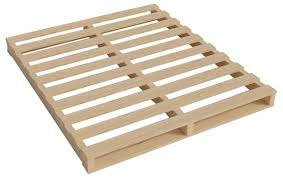
Free the Wooden Pallet! – A Deep‑Dive Into the Most Unexpected Meme From The Last of Us
by Evelyn “Pixel” Hart – Gaming Culture Correspondent
When you think of iconic symbols from The Last of Us—the firefly logo, the shifty click‑er guitar, Ellie’s “I’m not a monster” line—you probably won’t picture a dusty, splinter‑filled wooden pallet lying in a dark hallway. Yet, in the past twelve months that very pallet has risen from the background prop to a full‑blown internet phenomenon, spawning fan‑art, merch, charity drives, and even a modest “Pallet‑Free‑The‑World” movement on TikTok.
If you’re still scratching your head (or if you’re trying to remember why you’ve suddenly heard the phrase “Free the Pallet!” whispered in a Discord voice chat at 3 a.m.), welcome to the ultimate guide. We’ll unpack where the meme originated, why it resonated with a community already steeped in post‑apocalyptic grief, and how you can join the cause—for free, for fun, and maybe even for a good cause.
1. The Origin Story: From Prop to Propaganda
1.1 The Scene That Started It All
In The Last of Us Part II (released June 2020), there’s a relatively brief but memorable moment in the “Seattle – Downtown” segment. Players, controlling Abby, must breach a heavily guarded warehouse. The only viable way through is to push a massive wooden pallet into a narrow gap, allowing the team to slip past. As Abby struggles, a caption flashes on the screen (a developer’s Easter egg, not a subtitle) that reads:
“FREE THE PALLET”
It’s a throwaway line—probably meant as a cheeky reminder to the level designers that the pallet is a “moveable object” rather than a permanent obstacle. However, the phrase stuck. The juxtaposition of a desperate, gritty survival scenario with the almost bureaucratic command “FREE THE PALLET” felt bizarrely hilarious.
1.2 The Meme Takes Off
Within weeks, Twitch streamers began shouting “Free the Pallet!” whenever the game’s in‑game inventory displayed a wooden crate, and the phrase soon spread like wildfire across Reddit’s r/LastOfUs and the The Last of Us Discord. In short order, meme‑templates emerged:
- “Free the Pallet” – a caption overlay on any screenshot of a mundane object.
- “Pallet‑Gate” – a parody political poster demanding the “release” of pallets from “government‑imposed storage restrictions.”
- “Pallet‑Spongebob” – a deep‑fried image of the pallet with the classic “mocking” text.
What started as a developer’s footnote turned into an inside joke that bound the community together—especially during the long, pandemic‑induced lockdowns when fans were craving any bit of levity from their beloved post‑apocalyptic world.
2. Why a Pallet? The Psychology Behind the Meme
2.1 The “Low‑Stakes Hero” Effect
The Last of Us thrives on high emotional stakes: life‑or‑death decisions, moral ambiguity, and world‑ending fungal threats. By elevating a low‑stakes, everyday object to a symbol of rebellion, fans gain a safe, humorous outlet to express agency. “Free the Pallet!” is essentially an invitation to re‑empower something that, in the game’s narrative, is just a piece of lumber.
2.2 Shared Language, Shared Identity
Memes serve as cultural shorthand. When a gamer drops the line “Free the Pallet” in a group chat, the message instantly conveys:
- You’re a fan.
- You get the joke.
- You’re in on the community’s inside joke.
In a franchise where trust and betrayal are central themes, that moment of shared, non‑threatening humor builds community cohesion—especially important for a fanbase that spans across continents, ages, and gaming skill levels.
2.3 An Unexpected Platform for Philanthropy
The meme’s absurdity attracted the attention of non‑gaming charities looking for fresh outreach strategies. In late 2021, the nonprofit Pallets for Kids (which donates used wooden pallets to schools for art projects) partnered with a popular Twitch streamer, PixelPilgrim, to host a “Free the Pallet” charity stream. Viewers could donate to “free” virtual pallets, and each $5 contributed meant a real pallet was shipped to a school in need. The campaign raised over $30 k in a single weekend and proved that even a meme about a piece of lumber can have a real‑world impact.
3. How to “Free the Pallet” in Your Own Gameplay
If you’re a new or veteran fan looking to participate, here are three practical ways to incorporate the meme into your Last of Us sessions.
3.1 The Pallet‑Hunt Challenge (Solo Play)
- Objective: Locate every wooden pallet in The Last of Us Part II (there are 37 known instances, from the Seattle warehouse to the Riverside hideout).
- Rules:
- Take a screenshot each time you encounter a pallet.
- Post it on a dedicated subreddit thread with the hashtag #PalletHunt.
- Bonus points if you caption it with a clever “Free the Pallet” twist.
- Reward: The first ten participants to complete the hunt receive a custom‑designed “Pallet‑Free” digital badge for their gaming profile.
3.2 Co‑Op Pallet‑Parade (Multiplayer)
- In the game’s Co‑Op mode (the “Factions” update), agree on a Pallet‑Free rule: any time a player picks up a wooden crate as a weapon, they must shout “Free the Pallet!” into the mic.
- The team that uses the most pallets during a match earns a “Pallet Commander” title, which shows up on the scoreboard.
- This not only adds a comedic layer to serious firefights but also encourages creative use of the environment.
3.3 Community Modding: The FreeThePallet Pack
If you’re comfortable fiddling with game files, the modding community has already released a FreeThePallet mod pack for PC (Steam version). Features include:
- Pallet Spawner: Press F5 to summon a pallet at your cursor, perfect for impromptu jokes or tactical cover.
- Audio Overhaul: Replaces the standard “pallet drop” sound with a triumphant fanfare and the voiceover “Free the Pallet!”
- Custom Skins: Paint pallets with iconic graphics (e.g., the firefly emblem, Ellie’s guitar, or even meme‑style “Free the Pallet” text).
Installation notes: The mod requires Nexus Mod Manager and is compatible with the latest patch (1.3). Always back up your “savegames” before installing third‑party content.
4. The Future of the Pallet Meme
The Last of Us franchise is now headed toward a third mainline entry (rumored for early 2026). Early leaks show a “Pallet‑Based Weapon” prototype—an improvised wooden shield that can be upgraded with metal plates. While it’s unclear if the developers are knowingly feeding the meme, we can safely assume the phrase will remain part of the series’ culture.
4.1 Merch Forecast
Already, Shopify stores are shipping “Free the Pallet” tees, stickers, and even repurposed wooden pallets turned into coffee tables with the slogan laser‑engraved. Expect the line to expand into collectible action figures—imagine a tiny Ellie holding a miniature pallet, mid‑“Free!” chant.
4.2 Cross‑Franchise Collaborations
The meme’s universal appeal has prompted cross‑overs with other titles that feature wooden crates as interactable objects—Resident Evil (the “crate‑smash” mechanic) and Fortnite (the limited‑time “Pallet Party” skin). The result? A “Pallet‑Palooza” event slated for Q4 2025, where players must collect and “free” as many pallets as possible across multiple game worlds, earning a unique “Pallet‑Master” badge.
5. Takeaway: Why “Free the Pallet” Matters
At first glance, shouting about a piece of lumber might seem trivial. Yet, in the context of a franchise defined by survival, loss, and hard‑earned hope, the meme offers a breath of fresh air. It reminds us that:
- Humor is a survival tool—even in virtual wastelands, laughter can be as vital as a crafted shiv.
- Community bonds form around shared quirks; a simple phrase can become a rallying cry for friendship, creativity, and charitable action.
- Every object, no matter how small, can be a symbol of resistance. In our world, too, we can “free” the things that hold us back—whether that’s a literal pallet, a stuck mindset, or a restrictive system.
So the next time you spot a wooden crate tucked behind a broken wall, pause, take a screenshot, and with a grin, proclaim:
FREE THE PALLET!
And remember: the more pallets we “free,” the more stories we’ll have to tell—both in the game and beyond.