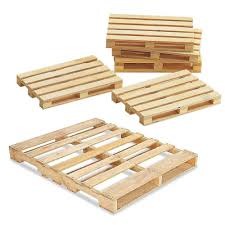
White Pallet Wood: A Practical Guide to Choosing, Preparing, and Using This Versatile Material
If you’ve ever walked past a stack of wooden pallets and imagined turning them into a stylish coffee table, a rustic bookshelf, or even a sleek wall panel, you’re not alone. In recent years “white pallet wood” has become a favorite among DIY‑enthusiasts, interior designers, and even commercial builders. This guide will walk you through everything you need to know—what it is, why you might choose it, how to prep it, and where you can apply it—so you can confidently bring a fresh, bright look to any project.
1. What Exactly Is “White Pallet Wood”?
| Feature | Description |
|---|---|
| Source | Reclaimed wooden pallets that have been sand‑blasted, planed, and painted (or coated) white. |
| Typical Species | Pine, spruce, fir, or mixed softwoods (the most common pallet woods). |
| Dimensions | Standard pallet size: 48 in × 40 in (1,219 mm × 1,016 mm). Thickness varies ½–⅝ in (12–16 mm). |
| Finishes | Matte, satin, or gloss white paint; sometimes a clear protective coat (polyurethane, water‑based sealer). |
| Grades | Standard (raw pallet, minimal processing) vs. Premium (sanded, kiln‑dried, painted). |
In short, white pallet wood is reclaimed pallet lumber that has been cleaned, sanded, and given a white finish. It retains the robust, utilitarian character of pallet boards while offering a clean, contemporary aesthetic.
2. Why Choose White Pallet Wood?
2.1 Sustainability
- Reclaimed material – diverting pallets from landfills reduces waste.
- Low embodied carbon – the wood has already been harvested; you’re not cutting fresh trees.
2.2 Cost‑Effectiveness
| Item | Average Cost (USD) | Compared to New White‑Painted Lumber |
|---|---|---|
| White pallet board (per 1‑ft²) | $2.50 – $4.00 | $4.00 – $6.50 |
| New pine board (painted) | $5.00 – $7.50 | — |
| Shipping (local) | Often free (local pickup) | $0.75 – $1.00 per mile |
2.3 Aesthetic Flexibility
- Industrial chic – the raw nail lines and grain imperfections add character.
- Modern minimalism – a crisp white surface pairs well with metal, glass, and concrete.
2.4 Easy DIY Compatibility
- Light enough for most home‑tool kits.
- Takes standard woodworking joints (butt, dado, pocket‑hole).
- Paint can be refreshed or changed later with minimal effort.
3. Where to Source White Pallet Wood
| Source | Pros | Cons | Typical Price |
|---|---|---|---|
| Local Reclaimed‑Wood Yard | Curated quality, already pre‑finished | May have limited inventory | $3–$5/ft² |
| Online Marketplaces (Etsy, eBay) | Wide range of styles, custom cuts | Shipping costs can add up | $4–$6/ft² |
| DIY Conversion (Buy raw pallets) | Cheapest possible, full control of finish | Time‑intensive, requires sanding & painting | $1–$2/ft² (raw) + $0.50–$1/ft² for paint |
| Home‑Improvement Stores (e.g., Home Depot) | Convenient pick‑up | Usually higher‑grade lumber, more expensive | $5–$7/ft² |
Tip: When buying reclaimed pallets, inspect for splits, insect damage, and chemicals (some pallets are treated with methyl bromide or heat‑treated). Look for the “HT” stamp (heat‑treated) which is safer for indoor use.
4. Preparing White Pallet Wood for Your Project
Even though the boards come pre‑finished, a few steps will ensure durability and a professional result.
4.1 Safety First
- Wear a dust mask and safety glasses when sanding or cutting.
- Check for nails or staples (use a magnet and a nail puller).
4.2 Cleaning & Light Sanding
- Wipe down with a damp cloth to remove dust.
- Light‑sand with 120‑grit sandpaper to smooth any rough edges—this also helps the new finish adhere better.
4.3 Repairing Minor Damage
| Issue | Fix |
|---|---|
| Small cracks or splits | Wood filler or epoxy resin; sand smooth after drying. |
| Loose nail heads | Hammer flush, then cover with paint‑in filler. |
| Uneven paint | Spot‑sand, then apply a thin coat of white latex paint. |
4.4 Sealing (Optional)
If the board will see heavy traffic (e.g., a tabletop), add a clear water‑based polyurethane (matte or satin) for extra protection. Apply two coats, sanding lightly with 220‑grit between coats.
4.5 Cutting to Size
- Use a circular saw with a fine‑tooth blade (24‑tooth) for clean cuts.
- For precise angles, a miter saw or table saw works best.
5. Design Ideas: How to Use White Pallet Wood
| Application | Typical Dimensions | Suggested Finish | Design Tips |
|---|---|---|---|
| Coffee Table | 36” × 24” × 1.5” | Matte white + clear coat | Add a single thick slab as a “live edge” for contrast. |
| Floating Shelves | 12” × 8” × 0.75” | Satin white | Use hidden brackets for an ultra‑clean look. |
| Room Divider/Screen | 6’ × 3’ panels | Gloss white | Stagger boards for a textured shadow effect. |
| Wall Paneling | 4’ × 8’ sheets | Matte white | Paint a single accent wall with a white pallet‑wood pattern for depth. |
| Outdoor Bench | 48” × 14” × 2” | White paint + UV‑resistant clear coat | Secure with stainless‑steel brackets to avoid rust. |
Pro‑Tip: Pair white pallet wood with metal legs or frames (black powder‑coated steel, brushed brass) to amplify the modern industrial vibe.
6. Cost‑Breakdown Example: DIY White Pallet Coffee Table
| Item | Quantity | Unit Cost | Total |
|---|---|---|---|
| Raw pallets (4) | 4 | $1.50/ft² (≈$6 each) | $24 |
| Sandpaper (120‑grit) | 1 pack | $8 | $8 |
| White latex paint (1 qt) | 1 | $12 | $12 |
| Polyurethane clear coat (0.5 qt) | 1 | $14 | $14 |
| Screws & brackets | – | $10 | $10 |
| Grand Total | – | – | $68 |
Compared to a store‑bought coffee table of similar size (~$150), you save roughly 55% and get a custom piece.
7. Frequently Asked Questions (FAQ)
Q1: Is white pallet wood safe for indoor furniture?
A: Absolutely—provided the pallets are heat‑treated (HT), not chemically treated. Always check for the “HT” mark and clean the wood thoroughly before finishing.
Q2: How durable is the white finish? Will it chip?
A: The durability depends on the type of paint and protective topcoat. Latex or acrylic enamel with a clear polyurethane seal provides high resistance to wear and minor scratches.
Q3: Can I stain white pallet wood instead of painting it?
A: You can, but the natural color of pallet wood is light. Staining will yield a light brown tone rather than pure white. If you desire a white look, paint is the reliable route.
Q4: Do I need to sand before repainting a pre‑finished pallet board?
A: Light sanding (120‑grit) is recommended to de‑gloss the surface, ensuring proper adhesion of the new paint or topcoat.
Q5: What tools are essential for working with white pallet wood?
A: – Circular or miter saw (for cutting)
- Orbital sander or sanding block (for surface prep)
- Paintbrush or roller (for finishing)
- Drill/driver with countersink bits (for joinery)
Q6: Are there any environmental concerns with using reclaimed pallets?
A: Using reclaimed pallets reduces waste and prevents additional logging. The main concern is potential chemical treatment. Stick to heat‑treated pallets and avoid those stamped with “MB” (methyl bromide) or “DP” (diphenyl ether).
Q7: How do I maintain a white pallet wood surface?
A: – Wipe with a damp microfiber cloth.
- Avoid abrasive cleaners—use a mild soap solution if needed.
- Reapply a thin clear coat every 1–2 years for high‑traffic items.
8. Final Thoughts: Is White Pallet Wood Right for You?
If you’re looking for a budget‑friendly, eco‑conscious, and stylish material that can be transformed into anything from a sleek coffee table to a statement wall, white pallet wood checks all the boxes. Its lightweight nature, ease of finishing, and adaptable aesthetic make it a go‑to choice for both seasoned woodworkers and weekend hobbyists.
Takeaway:
- Source responsibly—choose heat‑treated pallets and inspect for damage.
- Prep properly—light sanding, nail removal, and a protective topcoat will extend the life of your piece.
- Get creative—mix white pallet wood with metal, glass, or even reclaimed brick for a truly unique look.
Now that you have the knowledge, the next step is simple: head to your local reclaimed‑wood yard, grab a few pallets, and start designing. The possibilities are as endless as the number of pallets stacked in warehouses around the world—only this time, they’ll be shining bright in your own space. Happy building!