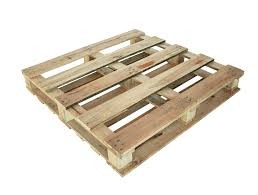
The Ultimate Guide to White Wooden Pallets: What You Need to Know
If you’ve ever walked through a warehouse, a boutique shop, or a modern café and spotted a sleek, painted pallet, you’ve probably wondered why anyone would bother turning a rugged piece of timber into a pristine white block. In this guide, you’ll discover everything you need to know about white wooden pallets—how they’re made, why they’re worth the investment, how to choose the right one, and how to keep them looking fresh for years to roll.
1. Why White Wooden Pallets Matter
1.1 Aesthetic Appeal
When you’re designing a retail display, a restaurant interior, or a home‑office setup, the visual language matters. A plain brown pallet can feel utilitarian, but a white‑finished pallet instantly adds a clean, contemporary vibe that blends with minimalist décor, industrial chic, or even rustic farmhouse styles.
1.2 Versatility
| Application | Typical Setting | Why White Works |
|---|---|---|
| Product displays | Retail stores, trade shows | Highlights merchandise without visual clutter |
| Furniture pieces | Cafés, co‑working spaces | Makes the pallet feel like a “real” piece of furniture |
| Flooring & decking | Home gardens, lofts | Reflects light, making small spaces appear larger |
| Shipping & storage | Warehouses, logistics | Improves visibility for safety inspections & inventory |
| Art & installations | Galleries, public art | Provides a neutral canvas for creative expression |
1.3 Branding & Storytelling
A white pallet can become a brand statement. Think of a boutique that wants to convey purity and precision—the whitened surface tells that story without a single word. If you’re aiming to differentiate your product presentation, the palette (pun intended) is a low‑cost yet high‑impact visual element.
2. How White Wooden Pallets Are Made
- Select the wood – Most pallets start with softwood (pine, spruce, fir) because it’s affordable and easy to work with. Hardwoods (oak, birch) are an option for heavier loads, but they cost more.
- Mill & assemble – Boards are cut to standard dimensions (e.g., 48×40×6 in for a typical EU pallet) and nailed or screwed together.
- Sand & prep – Rough edges are sanded, and the surface is cleaned of dust and oils.
- Primer – A oil‑based or water‑based primer shields the wood and promotes paint adhesion.
- Paint – A high‑quality, low‑VOC white enamel is sprayed or rolled on. Two coats are common for durability.
- Seal (optional) – For indoor use, a matte or satin clear coat protects against spills; for outdoor pallets, a weather‑resistant polyurethane sealant is advisable.
Pro tip: If you’re buying from a supplier, ask for the paint type and sealant. Low‑VOC (volatile organic compounds) paints are safer for indoor air quality, while UV‑resistant coatings keep the white from yellowing in sunlight.
3. Choosing the Right White Pallet for Your Project
3.1 Load Capacity
| Pallet Type | Max Load (lbs) | Ideal Use |
|---|---|---|
| Standard Softwood 48×40×6 in | 1,200 – 1,500 | Light to medium retail displays |
| Heavy‑Duty Softwood (12 in depth) | 2,500 – 3,000 | Industrial shelving, outdoor decking |
| Hardwood (Oak/Birch) | 3,500 – 5,000 | Heavy furniture, high‑traffic flooring |
| Custom‑size White Pallet | Varies | Tailored installations, art projects |
3.2 Finish Options
| Finish | Appearance | Durability | Best For |
|---|---|---|---|
| Matte Enamel | Soft, non‑reflective | Good indoor wear | Office décor, retail |
| Satin Enamel | Slight sheen, easy to clean | Moderate outdoor | Café tables, outdoor lounge |
| Gloss Enamel | High shine, modern look | Most durable, UV‑resistant | Showrooms, high‑traffic retail |
| Clear Seal (Matte/Satin) | Maintains white, adds protection | Extends life 2‑3 years | Kitchens, workshops |
3.3 Cost Comparison
| Pallet | Approx. Price (US) | Paint/Finish Cost | Total Approx. Cost |
|---|---|---|---|
| Untreated Softwood (48×40×6) | $12 | $3 (factory‑pre‑painted) | $15 |
| White‑painted Softwood (standard) | $15 | Included | $15 |
| White‑painted Hardwood | $25 | Included | $25 |
| Custom Size (white, 12 in depth) | $30 | Included | $30 |
Note: Prices fluctuate based on region, bulk orders, and whether you purchase from a recycled pallet supplier (often cheaper but may need additional sanding).
4. Maintenance – Keeping Your White Pallet Bright
Even the most durable paint can dull over time if you neglect care. Follow these steps to ensure your white pallet stays pristine:
- Regular Dusting – A soft microfiber cloth removes dust that can embed into the surface.
- Spot Cleaning – For spills, use a mild detergent (pH‑neutral) and a damp cloth. Avoid abrasive scrubbers that can scratch the paint.
- Re‑Seal Annually – Apply a thin clear coat (matte or satin) every 12–18 months if the pallet sees heavy foot traffic. This adds a protective barrier and restores sheen.
- Avoid Direct Sunlight – UV rays can cause yellowing. If your pallet is outdoors, consider a UV‑protective topcoat or a shade structure.
- Inspect Fasteners – Over time, nails or screws may loosen. Tighten or replace them to prevent wobbling, which can stress the wood and cause cracks.
Quick Fix: If a white spot becomes dull, lightly sand the area with 220‑grit sandpaper, wipe clean, and touch up with the original paint color.
5. Environmental Impact – Why White Pallets Can Be Sustainable
You might think adding paint makes a pallet less eco‑friendly, but consider the whole lifecycle:
| Factor | Traditional Brown Pallet | White‑Painted Pallet |
|---|---|---|
| Material | Usually softwood, biodegradable | Same wood + paint |
| Reusability | 1–2 cycles (often discarded) | 3–5 cycles (paint protects wood) |
| Recycling | Easy to repurpose as firewood | Paint may require de‑contamination |
| Carbon Footprint | Low (no extra processing) | Slightly higher (paint production) |
| Overall Sustainability | Moderate | Higher if extended lifespan + low‑VOC paint |
By extending the usable life of a pallet through a protective white finish, you reduce the number of pallets that need to be manufactured or disposed of. Opt for recycled or reclaimed wood and low‑VOC, water‑based paints to further improve sustainability.
6. Where to Find White Wooden Pallets
| Supplier Type | Typical Price Range | Delivery Options | Key Considerations |
|---|---|---|---|
| Local pallet manufacturers | $12‑$25 | Same‑day local pickup | Faster turnaround, can request custom sizes |
| Online marketplaces (e.g., Amazon, Etsy) | $15‑$30 | Shipping (often flat‑rate) | Convenient, but watch for extra shipping weight |
| Recycled pallet dealers | $10‑$18 | Bulk truckload delivery | Eco‑friendly, may need extra sanding |
| Specialty furniture makers | $30‑$60 | White‑glove delivery | High‑end finishes, custom design options |
When you contact a supplier, ask the following questions:
- What paint system do you use? (Low‑VOC, UV‑resistant, etc.)
- Can you provide a sample? (A small 12‑in piece helps you assess color and finish)
- Do you offer bulk discounts? (Often 10% off for orders of 50+ pallets)
- What is your return policy? (Important if the finish arrives chipped or uneven)
7. Creative Ideas – Using White Pallets Beyond Shipping
- DIY Coffee Table: Add a glass top and castors. The white surface makes the wood appear “floating.”
- Wall Art Panels: Paint each pallet with a different shade of white (matte, satin, gloss) for a textural mural.
- Garden Planters: Line the pallet’s bottom with landscape fabric, fill with soil, and plant herbs. White reflects sunlight, helping seedlings grow.
- Retail Counter: Stack two pallets, add a backboard, and install a cash‑register cutout. The clean white look mimics a high‑end boutique counter.
Pro tip: When building furniture, reinforce the pallet with corner brackets and glue‑down blocks to prevent sagging over time.
8. Frequently Asked Questions (FAQ)
| Question | Answer |
|---|---|
| Do white pallets require special handling compared to untreated pallets? | Not really. Treat them like any other pallet: forklift them from the bottom, avoid dragging to prevent scuffing the paint. |
| Can I paint my own pallet white? | Yes. Use a primer followed by a low‑VOC enamel. Sand between coats for a smooth finish. Remember to seal the surface for durability. |
| Are white pallets safe for food‑service environments? | Absolutely, provided the paint is food‑grade or certified safe (e.g., FDA‑compliant). Look for “food‑grade” labeling on the paint or ask the supplier. |
| What is the typical lifespan of a white pallet? | With proper care, expect 3–5 years indoors and 2–3 years outdoors (if UV‑protected). |
| Can I recycle a white pallet? | Yes, but the presence of paint may require de‑contamination before the wood can be repurposed or used as fuel. Many recycling centers accept painted wood; confirm locally. |
| Is there a difference between “whitewashed” and “painted white”? | Whitewashing uses a diluted paint or stain for a translucent look, letting the wood grain show. Fully painted white offers an opaque, uniform surface. Choose based on the aesthetic you need. |
| Do white pallets cost significantly more? | The price premium is modest—typically $2‑$5 extra per pallet—because the paint adds material and labor cost, but the functional benefits often outweigh the expense. |
| Can I use a white pallet outdoors? | Yes, if you select a UV‑resistant, weather‑proof finish and re‑seal it annually. Otherwise, prolonged sun exposure can cause yellowing. |
| Are there size standards for white pallets? | Most follow the same dimensions as conventional pallets (e.g., 48×40×6 in for North America or 1200×800×144 mm for Europe). Custom sizes are available from specialty manufacturers. |
| What’s the best way to transport multiple white pallets without damaging the finish? | Stack them painted side inward to protect the outer surfaces, and use soft‑edge pallet jacks or rubber‑coated forklift forks. |
9. Final Thoughts – Should You Choose a White Wooden Pallet?
If you’re looking for a versatile, cost‑effective, and aesthetically pleasing platform for displays, furniture, or flooring, a white wooden pallet is an excellent choice. It blends the functional strength of traditional pallet wood with a clean, modern finish that can elevate any space. By selecting the right wood grade, finish, and maintenance routine, you’ll enjoy a product that not only looks great but also lasts longer—delivering both visual ROI and environmental value.
Take action today: Reach out to a local pallet supplier, request a sample, and imagine how a simple white block could transform your next project. The possibilities are only limited by your creativity.