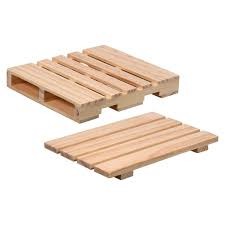
Who Needs Wooden Pallets?
A Practical Guide for Every Industry That Moves Goods
If you’ve ever walked through a warehouse, watched a truck being loaded, or even opened a delivery box at home, chances are a wooden pallet was the unsung hero behind the scene. These humble platforms have been the backbone of global supply chains for over a century, and they’re still the go‑to choice for countless businesses—big and small.
In this post we’ll explore who really needs wooden pallets, why they keep coming back time after time, and how you can decide if they’re the right fit for your operation. Whether you’re a seasoned logistics manager, a budding e‑commerce entrepreneur, or a nonprofit organizing a disaster‑relief mission, you’ll find useful insights (and a few surprising use‑cases) right below.
Table of Contents
- What Makes a Wooden Pallet Tick? – The Core Benefits
- Industries That Live on Wooden Pallets
- Manufacturing & Heavy‑Industrial
- Food & Beverage
- Retail & E‑Commerce
- Agriculture & Farming
- Construction & Building Materials
- Automotive & Aerospace
– Pharmaceuticals & Medical Devices
– Small Business & Start‑ups
– Non‑profits & Humanitarian Relief
- When Wooden Pallets Might Not Be Ideal
- How to Choose the Right Pallet for Your Business
- Sustainability & the Circular Economy
- Quick FAQ
- Take‑Action Checklist
1. What Makes a Wooden Pallet Tick? – The Core Benefits
| Benefit | Why It Matters |
|---|---|
| Cost‑Effective | Raw timber is inexpensive, and mass‑production techniques keep unit prices low (often $10‑$25 per pallet in the U.S.). |
| Strength & Load Capacity | Standard 48×40‑inch, 48‑lb (type #1) pallets can safely support 2,500 lb (≈1,130 kg) when evenly distributed. |
| Repairability | Nails, boards, or broken stringers can be swapped out on‑site—no need to order an entirely new pallet. |
| Universal Compatibility | Works with almost every forklift, pallet jack, conveyor, and automated handling system on the market. |
| Recyclability & Reuse | After life‑cycle ends, pallets can be broken down for mulch, biomass fuel, or reclaimed lumber. |
| Regulatory Acceptance | Most customs agencies, ISPM 15 (International Standards for Phytosanitary Measures), and industry standards are built around wood. |
| Customization | Sizes, deck board arrangements, and load‑bearing designs can be tailored to niche applications. |
These advantages keep wooden pallets at the top of the “pallet hierarchy”, even as alternatives—plastic, metal, and composite—gain traction.
2. Industries That Live on Wooden Pallets
Below we break down each sector, highlighting specific needs, common pallet configurations, and real‑world examples.
2.1 Manufacturing & Heavy‑Industrial
Who: Steel mills, electronics factories, machinery assemblers, and OEMs.
Why they love wood:
- Heavy Loads – Type #1 pallets handle up to 2,500 lb, perfect for engine blocks, metal frames, or bulky components.
- Rigidity – Wooden decks prevent “sagging” that could damage delicate parts during transport.
- Cost – High‑volume manufacturers often need millions of pallets per year; wood is the cheapest option at scale.
Typical Use‑Case: A motor‑vehicle plant ships engine blocks on 48×48 in. hardwood pallets, using stretch‑wrap to secure the load for rail freight.
2.2 Food & Beverage
Who: Farmers, meat processors, breweries, dairy farms, and snack manufacturers.
Why they love wood:
- Compliance with ISPM 15 – Heat‑treated (HT) or methyl bromide (MB) treatment guarantees pests aren’t moved across borders.
- Safety – Wood is naturally “non‑toxic” (no off‑gassing like some plastics).
- Cost‑Sensitivity – Perishable goods often have razor‑thin margins; cheap pallets preserve profit.
Typical Use‑Case: A regional brewery ships 30‑liter kegs on HT‑treated pallets to distributors across the Midwest, using a “four‑corner” stack for stability.
2.3 Retail & E‑Commerce
Who: Big‑box chains (Walmart, Target), online marketplaces (Amazon, Shopify sellers), and specialty boutiques.
Why they love wood:
- Versatility – Boxes of differing sizes can be stacked on the same pallet layout.
- Easy Inspection – Warehouse staff can quickly glance at a pallet for damage or mis‑loads.
- Supply‑Chain Compatibility – Most third‑party logistics (3PL) providers have equipment built for standard 48×40 pallets.
Typical Use‑Case: A direct‑to‑consumer apparel brand ships 12‑packs of T‑shirts on 40×48‑inch pallets to Amazon fulfillment centers, using a “single‑pallet, multiple‑SKU” approach.
2.4 Agriculture & Farming
Who: Grain elevators, fruit growers, livestock feed producers, and pesticide manufacturers.
Why they love wood:
- Rough Handling Tolerance – Pallets can survive loading onto open‑bed trucks, rough terrain, and outdoor storage.
- Biodegradability – At the end of a season, pallets often get composted on the farm.
- Custom Dimensions – Large bales of hay or straw may require 48×48 or 44×44 pallets.
Typical Use‑Case: A wheat farm loads bulk grain bags (50 lb each) onto a stack of 45‑inch pallets for rail shipment to a flour mill.
2.5 Construction & Building Materials
Who: Lumber yards, drywall manufacturers, tile distributors, and hardware retailers.
Why they love wood:
- Weight‑Bearing Strength – Heavy cement bags, steel rebar bundles, and lumber stacks demand robust support.
- Stackability – Pallets can be “double‑stacked” for efficient transport of bricks or tiles.
- Cost‑Per‑Ton – When moving low‑margin bulk items, cheap pallets keep overall freight cost down.
Typical Use‑Case: A drywall supplier uses “double‑face” pallets (two decks) to ship 5 ft×8 ft sheets, maximizing container space.
2.6 Automotive & Aerospace
Who: Tier‑1 suppliers, OEMs, parts distributors, and aftermarket parts retailers.
Why they love wood:
- Precision Loads – Engine components, gearboxes, and avionics are often wrapped in protective foam and placed on a sturdy wood pallet for extra protection.
- Compliance with International Shipping – The aerospace industry adheres to strict regulatory standards that accept wood after proper heat treatment.
Typical Use‑Case: An aerospace parts firm ships a set of turbine blades on a custom‑laser‑cut wooden pallet, accompanied by a “fragile” label and shock‑monitoring devices.
2.7 Pharmaceuticals & Medical Devices
Who: Drug manufacturers, medical‑device distributors, hospital supply chains.
Why they love wood (with caveats):
- Clean‑Room Compatibility – When pallets are made from high‑grade, low‑resin hardwood and properly treated, they meet GMP (Good Manufacturing Practice) standards.
- Traceability – Wood pallets can be marked with barcodes or RFID tags for strict traceability required in pharma logistics.
Typical Use‑Case: A vaccine manufacturer uses HT‑treated pallets with RFID tags to track temperature‑controlled shipments to clinics worldwide.
2.8 Small Business & Start‑ups
Who: Artisan producers, boutique food makers, local craft breweries, pop‑up shops.
Why they love wood:
- Affordability – Small batches can purchase pallets by the pallet or by the case, avoiding large capital outlays.
- DIY Flexibility – Entrepreneurs can repaint, brand, or even repurpose pallets for creative packaging.
Typical Use‑Case: A craft chocolate company builds a “gift box” by stacking individually wrapped bars on a branded wooden pallet, creating a premium unboxing experience.
2.9 Non‑profits & Humanitarian Relief
Who: Disaster‑relief NGOs, UN agencies, Red Cross, refugee‑aid organizations.
Why they love wood:
- Rapid Deployment – Pallets can be quickly assembled, loaded, and shipped to crisis zones.
- Reusability – After a relief operation, pallets can be re‑distributed to local communities for reconstruction work.
- Low-Tech Infrastructure – Many developing regions lack sophisticated handling equipment; wooden pallets can be moved manually with pallet jacks or even hand‑lifts.
Typical Use‑Case: A humanitarian convoy ships 2,000 pallets of medical supplies to a remote camp, using simple hand‑carts for last‑mile delivery.
3. When Wooden Pallets Might Not Be Ideal
Even though wood checks almost every box, there are niche scenarios where alternatives win out:
| Situation | Better Alternative | Reason |
|---|---|---|
| High‑Moisture Environments (e.g., marine cargo, outdoor storage in rain) | Plastic or HDPE | No swelling, quick drying, resistant to rot. |
| Clean‑Room or Sterile Manufacturing (pharma clean‑rooms, semiconductor fabs) | Stainless‑Steel or Composite | Zero‑particle shedding, can be sanitized with high‑temperature cycles. |
| Extreme Temperature Fluctuations (cryogenic transport) | Metal | No warping, can handle sub‑zero temps without cracking. |
| Regulatory Bans on Wood (some countries prohibit untreated wood for quarantine) | Plastic (PPE‑compliant) | Meets ISPM 15 without needing heat‑treatment. |
| Long‑Term Reuse & Heavy Re‑cycling | Reinforced Plastic/Composite | Higher lifespan, lower lifecycle cost if pallets stay in circulation for years. |
If any of these conditions describe your operation, it’s worth evaluating a hybrid approach (e.g., wood for domestic legs, plastic for overseas legs).
4. How to Choose the Right Pallet for Your Business
- Define Load Requirements
- Weight: Check the pallet’s rated capacity (e.g., 1,500 lb for a standard #2 pallet).
- Dimensions: Most global freight uses 48×40 in., but you may need 42×42 in. for tighter aisle spaces.
- Consider Handling Equipment
- Do you have forklifts, pallet jacks, or automated guided vehicles (AGVs)? Ensure the pallet’s stringer spacing aligns with your equipment.
- Check Compliance Needs
- International shipments: Must be ISPM 15 heat‑treated (HT) or Methyl Bromide (MB).
- Food industry: Look for FDA‑approved wood and proper surface cleaning.
- Think About Lifecycle
- One‑time use (e.g., a one‑off event): Cheap bulk pallets are fine.
- Reusable loop (e.g., internal distribution center): Invest in higher‑grade pallets that can be repaired.
- Factor in Sustainability Goals
- Wood is renewable, but you may need certification (FSC, SFI) to prove responsible sourcing.
- Budget & Procurement
- Bulk purchase vs. pallet‑as‑a‑service (leasing). Many 3PLs offer managed pallet pools that handle returns and repairs.
- Branding & Presentation
- If pallets are visible to end‑customers, consider custom printing, painting, or embossing.
Decision‑Tree Snapshot
Start → Load Weight ≤ 2,500 lb? → Yes → Is environment dry? → Yes → Choose standard wooden pallet.
          |                              |
          |                              No → Choose plastic or metal.
          |
          No → Need higher capacity → Consider double‑deck wood or steel pallet.
5. Sustainability & the Circular Economy
Wooden pallets sit at the intersection of cost efficiency and environmental stewardship:
- Carbon Sequestration – Timber stores carbon for the lifespan of the pallet (often 3‑7 years).
- Renewable Resource – When sourced from responsibly managed forests, the input is regenerative.
- End‑of‑Life Options – Pallets can be:
- Repaired & Refurbished (the most common)
- Recycled into Mulch (ground into wood chips)
- Converted into Energy (biomass fuel)
- Up‑cycled (furniture, décor, DIY projects)
Because of these pathways, many ESG (Environmental, Social, Governance) frameworks award points to companies that prioritize wooden pallets in their logistics strategy.
6. Quick FAQ
| Question | Short Answer |
|---|---|
| Do I need to heat‑treat pallets for every shipment? | Only for international freight under ISPM 15. Domestic shipments can use untreated pallets unless the shipper requires otherwise. |
| How long does a wooden pallet typically last? | Roughly 2‑5 years in a high‑reuse environment; up to 10 years for single‑use, low‑stress applications. |
| Can I repair a broken pallet myself? | Yes—replace broken boards or nails with a hammer and a few spare deck boards. For major damage, consider a professional repair service. |
| What’s the difference between “Type #1” and “Type #2” pallets? | Type #1 (or “GMA”) is the premium, 48‑lb grade built for heavy loads; Type #2 is a lighter, lower‑cost variant (≈35 lb) for lighter goods. |
| Are wooden pallets recyclable in municipal curbside programs? | Generally no—most curbside programs don’t accept large wood pallets. Instead, send them to a pallet recycler or use them for mulch. |
| Is there a way to track pallets in real time? | Yes—attach RFID tags or barcodes. Many 3PLs now offer pallet management software that monitors location, condition, and utilization. |
7. Take‑Action Checklist: Do You Need Wooden Pallets?
- Identify Load Weight & Volume – Is the pallet’s rating sufficient?
- Review Shipping Routes – Do you cross international borders requiring ISPM 15?
- Match to Handling Equipment – Do forklifts/pallet jacks align with pallet dimensions?
- Assess Environmental Conditions – Will pallets see moisture, extreme temperatures, or clean‑room environments?
- Calculate Total Cost of Ownership – Include purchase, repair, disposal, or rental fees.
- Confirm Sustainability Policies – Is wood sourcing certified?
- Determine Branding Needs – Do you want a custom‑printed pallet for marketing?
If you tick most of these boxes, wooden pallets are likely the optimal solution for your business.
Final Thoughts
From the massive steel‑bearing pallets that ferry engine blocks across continents to the small, hand‑painted pallets that make a boutique coffee brand’s subscription box feel special, wooden pallets are everywhere—and for good reason. Their blend of strength, affordability, and adaptability makes them the workhorse of modern logistics.
But as we’ve seen, they’re not a one‑size‑fits‑all. Understanding your specific operating conditions, compliance requirements, and sustainability ambitions will help you decide whether to stick with classic timber, upgrade to a hybrid pallet pool, or explore alternative materials.
Whatever you choose, remember that pallets are more than just a platform—they’re a critical link in the chain that delivers products from factory floor to customer doorstep. Treat them as such, and you’ll keep your supply chain moving smoothly, securely, and sustainably.
Ready to upgrade your pallet strategy?
Reach out to a reputable pallet supplier today for a free load‑analysis, and ask about heat‑treated, RFID‑enabled, and custom‑branded wooden pallets that match your exact needs. Your next shipment might just be a little more efficient—and a lot more impressive—because of the right pallet underneath it.