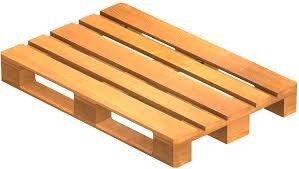
Transform Your Space: DIY Wood Pallet Bar Top that Looks Like a Pro‑Made Piece
If you’ve ever walked into a trendy cocktail lounge and admired the warm, rustic charm of a reclaimed‑wood bar, you’ve probably wondered how you could achieve the same look without breaking the bank. The answer is surprisingly simple: a wood pallet bar top.
In this post we’ll walk you through everything you need to know—why pallets make great bar surfaces, how to choose the right wood, step‑by‑step construction, finishing tips, and safety considerations. By the end, you’ll have a solid plan (and the confidence) to build a stunning bar top that feels handcrafted, sustainable, and uniquely yours.
1. Why a Wood Pallet Bar Top?
| Benefit | What It Means for You |
|---|---|
| Cost‑Effective | A single pallet can be sourced for $5–$15, sometimes even free from local businesses. |
| Eco‑Friendly | Reusing pallets keeps wood out of landfills and reduces demand for new lumber. |
| Rustic Aesthetic | The weathered grain, nail holes, and occasional splinter create instant character. |
| Customizable | You control dimensions, thickness, edge profile, and finish—nothing is “off‑the‑shelf.” |
| DIY Satisfaction | Building it yourself gives you brag‑worthy skills and a conversation starter. |
2. Planning Your Bar Top
a. Define the Space & Dimensions
- Length – Measure how many people you want to accommodate. A classic bar is 2 ft (61 cm) deep and 1 ft (30 cm) wide per seat.
- Height – Standard bar height is 42 in (107 cm) from floor to countertop. Adjust if you have a bar stool or custom seating.
- Overhang – A 1–2 in (2.5–5 cm) overhang gives a professional look and a place to rest a glass.
b. Choose the Right Pallet
| Type | Characteristics | Best Use |
|---|---|---|
| Heat‑treated (HT) – stamped “HT” | Clean, no chemicals, sturdy – ideal for food‑grade surfaces. | Primary bar top material. |
| Euro‑pallet – often marked “EP” | Standard size (120 × 80 cm), robust, can be repurposed easily. | When you need a uniform shape. |
| Nylon‑coated or chemically treated | May contain residues; not recommended for direct contact with drinks. | Use only for structural support, not the visible surface. |
Tip: Inspect each pallet. Look for rot, warping, or splintered boards. The best boards are straight, free of major cracks, and have a tight grain.
c. Sketch Your Design
- Simple slab – Lay the boards side‑by‑side, sand, and finish.
- Layered “laminated” look – Stack two or three pallets, stagger the seams, and bolt them together for extra strength and a textured “board‑on‑board” appearance.
- Incorporate a sink or mini‑fridge – Cut an opening and add a stainless‑steel trough or under‑counter refrigeration unit.
A quick hand‑drawn sketch (or a free tool like SketchUp) helps you visualise the final product and catch any measurement errors early.
3. Tools & Materials Checklist
| Category | Items | Why You Need Them |
|---|---|---|
| Safety | Safety glasses, dust mask, ear protection, work gloves | Protect yourself while cutting, sanding, and handling nails. |
| Demolition | Crowbar, hammer, utility knife | To dismantle the pallet safely and remove nails. |
| Preparation | Belt sander or orbital sander, 80‑120 grit sandpaper, vacuum | Smooth surfaces and remove splinters. |
| Assembly | Drill, ¾‑inch wood screws or carriage bolts, wood glue (optional) | Secure boards together firmly. |
| Finishing | Wood filler, sanding block, stain/paint, polyurethane (oil‑based or water‑based) or food‑safe oil (e.g., Danish oil) | Seal and protect the surface while highlighting grain. |
| Optional Extras | Edge‑banding, LED strip lighting, metal brackets, rubber feet | Add style, durability, or functional touches. |
4. Step‑by‑Step Build Guide
Step 1 – Disassemble & Clean the Pallet
- Flip the pallet so the top side faces you.
- Remove the top boards with a crowbar and hammer. Work slowly to avoid splitting the wood.
- Pull out all nails using a nail puller or pliers. A magnetic nail strip can collect them as you go.
- Lay the boards flat on a clean surface. Wipe with a dry cloth to remove dust and debris.
Step 2 – Sort & Trim
- Select the straightest boards for the front edge (the part most visible).
- Trim the ends with a circular saw to the exact length you need.
- Cut to width if you want a uniform 2‑in (5 cm) thickness; otherwise, leave the natural pallet thickness (usually 1½–2 in).
Step 3 – Create a Stable Base
If you’re using a single pallet slab, you may want a support frame underneath:
- Build a rectangular frame from 2×4s, matching the dimensions of the slab.
- Attach the slab to the frame using wood screws through pre‑drilled pilot holes (prevents splitting).
For a laminated bar top, stack two pallets on top of each other, offset the joints, and bolt them together (four bolts per corner plus one in the middle). This adds rigidity and a “board‑on‑board” visual effect.
Step 4 – Sand, Fill, and Smooth
- Coarse sand (80‑grit) to remove nail holes, splinters, and rough patches.
- Apply wood filler to any deep cracks or nail holes; let it dry fully.
- Medium sand (120‑grit) then fine sand (220‑grit) for a smooth finish.
- Vacuum the dust and wipe with a tack cloth.
Step 5 – Stain or Paint (Optional)
- Stain: Choose a shade that complements your décor—oak, walnut, or a natural pine look. Apply with a lint‑free cloth, let soak for 5–10 min, then wipe excess.
- Paint: If you prefer a bold color, use a high‑quality interior paint. Apply two thin coats, sanding lightly between coats.
Tip: Test the stain or paint on a scrap piece of the same pallet wood to see the final colour before committing.
Step 6 – Seal the Surface
The most critical step for a bar top is a food‑safe, durable seal:
| Finish | Pros | Cons |
|---|---|---|
| Oil‑Based Polyurethane | Very hard, water‑resistant, easy to reapply | Strong odor, longer cure time |
| Water‑Based Polyurethane | Low odor, quick dry, clear finish | Slightly less amber hue |
| Danish Oil / Tung Oil (Food‑Safe) | Enhances grain, natural feel, easy touch‑up | Requires multiple coats, less splash‑proof than polyurethane |
Apply two to three coats, sanding lightly with 320‑grit sandpaper between coats. Let the final coat cure for at least 48 hours before placing glasses or bottles.
Step 7 – Install the Bar Top
- Position the top on your cabinet or wall brackets.
- Secure with screws from underneath (concealed) or with metal brackets for a floating appearance.
- Add finishing touches: LED strip lighting along the underside, a metal foot rail, or a rubber mat for bar stools.
5. Maintenance & Longevity
- Wipe spills immediately with a damp cloth—especially citrus juices or acidic drinks that can dull the finish.
- Re‑coat every 1–2 years (or sooner if you notice wear) by lightly sanding and applying another thin sealant layer.
- Avoid abrasive cleaners; mild dish soap and water are sufficient.
A well‑sealed pallet bar top can last 5–10 years with routine care, rivaling commercially‑produced bar surfaces.
6. Design Inspiration Gallery
| Style | Description |
|---|---|
| Industrial Loft | Dark-stained pallets paired with brushed steel legs; exposed brick wall behind. |
| Coastal Cottage | Light‑bleached pallets, whitewashed edges, and a navy‑blue back bar. |
| Modern Minimalist | Smooth, clear‑coat finish with floating matte black brackets. |
| Rustic Farmhouse | Reclaimed pallet top with a distressed white paint and a live‑edge edge. |
| Eco‑Bar | Two pallets stacked, with a built‑in compost bin, reclaimed glass shelves, and potted herbs. |
(If you’re reading this on a blog, click the images to see step‑by‑step photo tutorials!)
7. Common Questions (FAQ)
Q: Do I need to sand every board?
A: Yes. Even if the pallet looks smooth, sanding removes splinters, nail holes, and surface contaminants, ensuring a safe drinking surface.
Q: Can I use a pallet bar top outdoors?
A: Absolutely, but you’ll need a UV‑resistant finish (e.g., exterior-grade spar urethane) and extra protection against moisture—consider a raised platform and a canopy.
Q: Is it safe to put hot drinks on the bar?
A: A proper seal (polyurethane or food‑safe oil) creates a barrier that can handle hot mugs and glasses without scorching the wood.
Q: What if the pallet has a lot of nail holes?
A: Fill them with wood filler, sand smooth, and seal. The filler will be invisible once the finish is applied.
Q: How much weight can a pallet bar top hold?
A: A single‑layer pallet (≈1.5‑in thick) can comfortably support 100 lb distributed evenly. For heavier loads (e.g., a built‑in ice bin), double‑layer or add a sub‑frame.
8. Wrap‑Up: Your Pallet Bar, Your Personality
A wood pallet bar top isn’t just a budget‑friendly project; it’s an invitation to personalize a central gathering spot in your home or commercial space. The reclaimed grain tells a story, the DIY process gives you ownership, and the finished surface becomes a canvas for countless evenings of cocktails, conversations, and celebrations.
Ready to get started?
- Scout a local warehouse or recycling centre for pallets.
- Sketch your bar dimensions.
- Gather your tools, safety gear, and a dash of enthusiasm.
Before you know it, you’ll be pouring drinks on a surface that you created with your own two hands—an achievement that’s as satisfying as the first sip of a perfectly mixed Old Fashioned.