Wood Pallet Bench Ideas: Turn Everyday Pallets into Stylish Seating
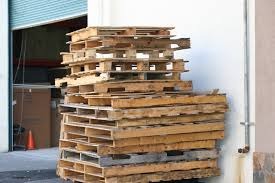
When you walk past a construction site, a warehouse, or even your own garage, you’ll see stacks of wooden pallets waiting for a second life. Those rugged, reusable boards are perfect for DIY furniture—especially benches. In this post you’ll discover six fresh wood‑pallet bench ideas, learn the tools and materials you’ll need, and get answers to the most common questions that pop up when you start building.
Quick tip: Before you begin, make sure each pallet is in good condition (no broken slats, excessive rot, or hazardous nails). A little extra prep time now saves you from wobble later.
1. Why Build a Pallet Bench?
| Benefit | Description |
|---|---|
| Budget‑friendly | Pallets are often free or cost less than $10 per pallet. |
| Eco‑friendly | Upcycling reduces waste and gives new life to reclaimed wood. |
| Customizable | Paint, stain, add cushions, or combine multiple pallets for a unique look. |
| Portable | Light enough to move, yet sturdy enough for daily use. |
If you’ve ever wanted a low‑cost garden seat, a home office perch, or a rustic entry‑way bench, a pallet bench can meet those needs while showcasing your DIY chops.
2. Six Pallet Bench Designs to Inspire You
Below is a snapshot of the ideas we’ll explore in detail. Pick the one that fits your space, skill level, and aesthetic.
| # | Design | Difficulty* | Approx. Cost (USD) | Max Load | Ideal Location |
|---|---|---|---|---|---|
| 1 | Classic Straight Bench | Easy | $30‑$50 (paint, sandpaper) | 400 lb | Backyard, porch |
| 2 | Backless Slatted Bench | Easy‑Medium | $40‑$60 (saw, brackets) | 350 lb | Kitchen island |
| 3 | Storage Bench with Lid | Medium | $70‑$90 (hinges, latch) | 350 lb | Entryway, mudroom |
| 4 | Tiered Garden Seat | Medium‑Hard | $80‑$110 (extra pallets) | 300 lb | Garden, patio |
| 5 | Modern Floating Bench | Hard | $120‑$150 (metal brackets) | 250 lb | Contemporary loft |
| 6 | Bench with Built‑in Planters | Medium | $90‑$120 (potting soil, liners) | 300 lb | Patio, balcony |
*Difficulty is based on the amount of cutting, joinery, and finishing required.
Let’s break each design down step‑by‑step.
2.1 Classic Straight Bench
What it looks like: A single pallet laid flat, supported by two sturdy legs (or a second pallet turned on its side).
Steps:
- Choose a pallet – Opt for a heat‑treated (HT) pallet; it’s safer than chemically treated.
- Sand – Use a 80‑grit disc, then finish with 120‑grit for a smooth surface.
- Add legs – Cut two 2×4s to 18‑inches (or use a second pallet upright). Secure with deck screws and metal brackets.
- Finish – Stain or paint, then seal with polycrylic for outdoor durability.
Why you’ll love it: Minimal tools, quick turnaround, and it can be painted any color to match your décor.
2.2 Backless Slatted Bench
What it looks like: A pallet turned on its edge, with slats spaced evenly to create a breathable seat.
Steps:
- Disassemble the pallet – Remove nails using a pry bar and hammer.
- Cut slats – Trim each board to 12‑inch width for a uniform look.
- Arrange & attach – Space slats ½‑inch apart, screw them to the side frame (use 2×4s).
- Add a footboard – Attach a short pallet piece at the front for stability.
Design tip: Paint the frame a dark matte hue and leave the slats natural for a modern contrast.
2.3 Storage Bench with Lid
What it looks like: Two pallets stacked; the top pallet acts as a hinged lid, the bottom provides the seat.
Steps:
- Stack pallets – Place one pallet on the ground, the second on top, aligning the boards.
- Install hinges – Attach three heavy‑duty hinges to the back edge.
- Add a latch – Secure with a sliding latch so the lid stays closed.
- Reinforce – Add corner braces inside the bench for extra rigidity.
Bonus: Line the interior with a fabric liner or plywood for a neat storage compartment (great for garden tools or blankets).
2.4 Tiered Garden Seat
What it looks like: A “step” bench built from three pallets—two as the seat, one as a lower step.
Steps:
- Prepare three pallets – Sand and clean all to the same finish.
- Create the step – Lay the bottom pallet flat, attach 2×4 legs at the back and sides.
- Add the seat – Place the second pallet on top, secure with brackets.
- Optional backrest – Use a third pallet turned on its side and attach vertically.
Garden hack: Plant low‑grow herbs in gaps between the slats for a living bench.
2.5 Modern Floating Bench
What it looks like: A sleek bench mounted to the wall with concealed metal brackets, giving a “floating” illusion.
Steps:
- Reinforce pallet – Add a 1‑inch plywood backer for extra strength.
- Paint – Go for a monochrome finish (charcoal, white, or black).
- Mount brackets – Use heavy‑duty steel brackets rated for at least 250 lb. Secure them to wall studs.
- Attach bench – Slide the bench onto the brackets and tighten.
Safety note: Verify the wall can support the load; studs are a must.
2.6 Bench with Built‑in Planters
What it looks like: A bench that hides two rectangular planters underneath the seat, perfect for succulents or herbs.
Steps:
- Disassemble a pallet – Keep the side slats for the planters.
- Create planter boxes – Use the side slats to build two 12×12×8‑inch boxes, line with landscaping fabric.
- Install drainage – Drill holes and add a thin layer of gravel at the bottom.
- Fit the seat – Place a third pallet on top, secure with metal brackets.
Pro tip: Choose drought‑tolerant plants; they’ll thrive even with minimal watering.
3. Essential Tools & Materials
| Category | Item | Typical Quantity | Why It Matters |
|---|---|---|---|
| Safety | Safety glasses | 1 pair | Protect eyes from splinters & dust |
| Work gloves | 1 pair | Prevent cuts while handling rough wood | |
| Prep | Hammer & pry bar | 1 each | Remove nails from pallets |
| Power sander (or hand block) | 1 | Smooth surfaces quickly | |
| Cutting | Circular saw or hand saw | 1 | Trim slats to size |
| Jigsaw (optional) | 1 | For custom cuts on backrests | |
| Fastening | Deck screws (2‑in) | 1‑2 lb | Strong, corrosion‑resistant joint |
| Metal brackets (L‑shaped) | 6‑12 | Reinforce legs & joinery | |
| Heavy‑duty hinges | 3‑4 | For storage bench lid | |
| Finishing | Wood stain or paint | 1 quart | Adds color + protection |
| Polycrylic or exterior sealant | 1 quart | Weather‑proof finish | |
| Optional | Cushions & fabric | 1 set | For added comfort |
| Planter liners & soil | 2‑4 lbs | For planter bench |
Having this checklist at hand ensures you won’t need to pause mid‑project for a missing item.
4. Tips for a Professional‑Looking Finish
- Sand in two stages – Coarse grit first, then fine. This prevents splintery edges after painting.
- Apply a wood conditioner before staining. It evens out absorption, especially on reclaimed pallets that can have varying densities.
- Use a brush, not a roller for stain on slatted designs. A brush gets into the narrow gaps.
- Seal the undersides as well. Moisture can seep from the ground and warp the bench.
- Add rubber feet to legs. This protects floors and adds slip resistance.
5. Maintaining Your Pallet Bench
| Maintenance Task | Frequency | How‑to |
|---|---|---|
| Dust & clean | Weekly | Wipe with a dry cloth; for outdoor benches, use a hose (avoid soaking if sealant isn’t waterproof). |
| Inspect for loose screws | Monthly | Tighten any that have worked loose. |
| Re‑seal | Annually (or after heavy rain) | Lightly sand any rough spots, then apply a fresh coat of sealant. |
| Check for rot or termites | Every 6 months | Look for soft wood, hollow sounds, or insect tunnels; replace affected slats promptly. |
A little attention keeps your bench looking fresh for years.
6. Frequently Asked Questions
Q1: Are pallet benches safe for children?
A: Yes, provided the bench is sturdy, all nails are removed, and edges are sanded smooth. For extra safety, round any sharp corners with a file and add a non‑slip surface on top.
Q2: Can I use pallets that have the “HT” stamp?
A: Absolutely. “HT” (heat‑treated) pallets are approved for export and contain no harmful chemicals, making them ideal for indoor or outdoor furniture.
Q3: What if my pallet is “MB” (methyl bromide) treated?
A: Methyl bromide is a pesticide and can be hazardous. If you can identify an MB pallet, avoid using it for seating. Stick to HT, CD (chemical‑treated for dry climates), or untreated pallets.
Q4: How much weight can a typical pallet bench hold?
A: A standard 48×40‑inch pallet, when reinforced with solid legs or brackets, can safely support 300‑400 lb. For higher loads, use additional support beams or thicker lumber.
Q5: Do I need to treat the wood before painting?
A: It’s best to clean the surface (wipe with a damp cloth), sand down any rough spots, and apply a wood conditioner if using stain. This ensures the paint or stain adheres evenly.
Q6: Can I use a pallet bench indoors?
A: Yes! Just make sure the pallet is clean, sanded, and finished with a low‑VOC paint or sealant to keep indoor air quality high.
Q7: How do I repair a cracked slat?
A: Glue the crack with a high‑strength wood adhesive, clamp it until dry, then sand smooth. If the damage is extensive, replace the slat with a matching piece of reclaimed wood.
Q8: What’s the best way to store pallets before I start the project?
A: Keep them dry and off the ground. Stack them flat in a covered area, or use a pallet rack if you have one.
7. Ready to Build?
Pick the bench design that resonates most with your space, gather your tools, and start the transformation. Not only will you end up with a functional piece of furniture, but you’ll also enjoy the satisfaction of turning something discarded into a centerpiece of your home.
Pro‑final tip: Document each step with photos. You’ll have a handy tutorial for future projects and a proud showcase to share with fellow DIY enthusiasts.