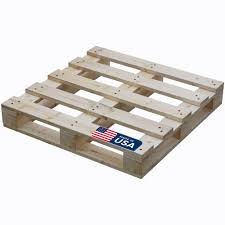
DIY Wood Pallet Box Spring: Turn Everyday Pallets into a Sturdy Mattress Base
If you’ve ever stared at the price tag on a ready‑made box spring and thought, “There’s got to be a cheaper, greener way,” you’re not alone. The good news is that a wood pallet box spring can give you the support you need without the retail markup, and it’s a project you can complete in a weekend with a handful of tools. In this guide you’ll learn exactly what a box spring does, why pallets make an excellent material, how to design and build your own, and how to keep it performing for years to come.
What Is a Box Spring, Anyway?
| Feature | Traditional Box Spring | Pallet‑Based Box Spring |
|---|---|---|
| Core structure | Wooden frame + steel springs | Solid wood slats (pallet boards) |
| Height | 8‑12 in (standard) | Adjustable (typically 5‑10 in) |
| Weight capacity | 600‑800 lb (varies) | 500‑900 lb (depends on design) |
| Cost | $200‑$600 | $30‑$120 (materials) |
| Eco‑impact | Moderate (new lumber, metal) | Low (recycled pallets) |
A box spring is essentially a platform that absorbs shock, distributes weight, and adds a bit of “spring” to the mattress. It sits on the floor or a bed frame, giving the mattress a solid, breathable foundation. In a traditional setup the springy component is a network of metal coils. With a pallet box spring you replace those coils with solid wood slats, which still provide ample support while being much easier to source and assemble.
Why Choose Wood Pallets?
- Cost‑Effective – A standard 48 × 40 in pallet costs between $5 and $12, and most DIYers repurpose pallets they receive for free from local retailers.
- Eco‑Friendly – Pallets are typically made from sustainably harvested softwood and are already considered “recyclable.” By reusing them you keep wood out of landfills.
- Strong & Durable – A single pallet can support 1,000 lb when its boards are arranged correctly. Stacking two pallets doubles the load‑bearing capacity and adds height.
- Customizable – You can cut, sand, stain, or paint pallets to match any bedroom décor.
- Breathability – The gaps between slats promote airflow, reducing moisture build‑up and extending mattress life.
Planning Your Pallet Box Spring
Before you swing a hammer, answer these questions:
| Question | Why It Matters | Typical Answer |
|---|---|---|
| What mattress size are you using? | Determines the dimensions of the pallet platform. | Twin (38 × 75 in), Full (53 × 75 in), Queen (60 × 80 in), King (76 × 80 in) |
| How high do you want the base? | Affects number of pallets and leg height. | 6‑8 in for a low profile; 9‑10 in for a “raised” look |
| Will you add legs or keep it on the floor? | Impacts stability and cleaning underneath. | Legs (4‑in. wood blocks) for easy cleaning |
| Do you need extra storage? | Pallet boxes can double as drawers. | Yes – incorporate a lift‑top design |
| What tools are at hand? | Determines feasibility of cuts, sanding, etc. | Basic hand saw, drill, screwdriver, sandpaper, measuring tape |
Sketching the Layout
- Measure the mattress and draw a rectangle on graph paper.
- Place pallets side‑by‑side, leaving a ½‑inch gap to allow for expansion.
- Add support beams (2×4 lumber) along the long edges and mid‑span for extra rigidity.
- Mark leg positions – four corners are standard, but you can add center legs for larger sizes.
Materials & Tools Checklist
| Item | Quantity (Queen size example) | Approx. Cost |
|---|---|---|
| 48 × 40 in pallets (clean, undamaged) | 2 (for 2‑layer base) | $20‑$30 |
| 2 × 4 lumber (for perimeter & cross‑supports) | 4‑6 pieces, 8 ft | $15‑$20 |
| 4‑in. wooden legs (or concrete blocks) | 4 | $8‑$12 |
| Wood screws (2‑in. & 3‑in.) | 2 lb box | $5 |
| Wood glue (optional) | 1 bottle | $4 |
| Sandpaper (80‑grit, 120‑grit) | 2 packs | $6 |
| Finish (stain, polyurethane) | 1 quart | $12‑$20 |
| Tools (circular saw, drill, screwdriver, level) | — | Assumed owned |
| Total | — | ≈ $80‑$115 |
Tip: If you have a local pallet recycling center, you can often pick up pallets for free. Just be sure they are heat‑treated (marked “HT”) rather than chemically treated (“MB”) to avoid off‑gassing.
Step‑By‑Step Build Guide
1. Prepare the Pallets
- Inspect each board for cracks, splinters, or nail heads. Replace any damaged boards.
- Remove nails or staples using a pry bar.
- Sand each surface lightly (80‑grit) to eliminate rough edges.
2. Create the Base Frame
- Lay out two pallets side by side, aligning the ends.
- Attach 2 × 4 edge rails to the outer perimeter using 3‑in. screws – two per corner for a tight fit.
- Add a mid‑span support (another 2 × 4) centered along the longer side to prevent sagging. Screw through the pallets into the support.
3. Build the Second Layer (Optional)
- If you want extra height or storage, stack a second pallet on top of the frame. Secure it with L‑brackets at each corner and along the mid‑span.
4. Install Legs
- Mark leg positions 2‑in. in from each corner to keep the frame square.
- Attach legs with 3‑in. wood screws driven through the 2 × 4 rails into the leg blocks. If you prefer a floating look, you can use metal bed risers instead.
5. Finish the Surface
- Sand again with 120‑grit for a smooth finish.
- Apply wood stain (if desired) – brush on, let dry 30 min, then wipe excess.
- Seal with polyurethane (2‑coat) for durability. Allow 24 hrs between coats.
6. Test the Stability
- Place a level on the surface; any wobble indicates a loose screw or uneven leg. Tighten as needed.
Maintenance Tips for Longevity
| Maintenance Task | Frequency | How‑to |
|---|---|---|
| Dust & vacuum | Weekly | Use a soft brush attachment; avoid water. |
| Check screws | Every 3 months | Tighten any that have loosened. |
| Re‑seal finish | Every 12‑18 months | Lightly sand, clean, apply a fresh polyurethane coat. |
| Rotate mattress | Every 6 months | Flip (if double‑sided) and rotate 180°. |
| Inspect for moisture | Annually | Look for warping or mold; improve airflow if needed. |
Pros & Cons at a Glance
| Aspect | Advantages | Disadvantages |
|---|---|---|
| Cost | Very low upfront expense | May require extra tools for novices |
| Eco‑impact | Up‑cycles waste wood | Pallet quality varies by supplier |
| Customizability | Paint, stain, add drawers | Requires manual measuring & cutting |
| Durability | Can support > 800 lb (with proper bracing) | Might sag if not adequately reinforced |
| Aesthetics | Rustic, industrial look sought after in modern décor | Rough edges may need extra sanding for a polished finish |
Frequently Asked Questions
Q1: Do I need a specific type of pallet?
Answer: Look for heat‑treated (HT) pallets, which are safe for indoor use. Avoid pallets marked “MB” (methyl bromide) or “DP” (dangerous pesticide) as they may release chemicals.
Q2: Can I use a pallet box spring on a platform bed frame?
Answer: Yes. Place the pallet box spring directly on the platform’s slats. Ensure the platform’s spacing (usually 2‑3 in.) aligns with the pallet’s slats so the base sits flat.
Q3: How high should a pallet box spring be?
Answer: The ideal height is 6‑8 in. This provides a comfortable mattress height while keeping the center of gravity low enough for stability. Adjust by adding or removing a pallet layer or leg height.
Q4: Will the pallet wood squeak like traditional box springs?
Answer: Properly tightened screws and a solid bracing system eliminate most creaks. Adding a thin rubber gasket between the pallet and the mattress can also dampen sound.
Q5: Is a pallet box spring suitable for a memory‑foam mattress?
Answer: Absolutely. Memory foam benefits from a firm, breathable base. The wood slats give even support and help dissipate heat, extending the mattress’s lifespan.
Q6: Do I need to treat the pallets for pests?
Answer: If you purchase pallets from reputable suppliers, they’ll already be heat‑treated. For extra peace of mind, you can wipe down the wood with a mild solution of water and white vinegar before sanding.
Q7: Can I add storage underneath?
Answer: Yes. By building a lift‑top using hinges on one side of the pallet box spring, you can create a hidden compartment for linens or seasonal items.
Final Thoughts
Creating a wood pallet box spring is more than a budget hack—it’s an opportunity to craft a personalized, environmentally conscious foundation for your sleep sanctuary. By following the steps above, you’ll have a sturdy, stylish platform that supports your mattress, enhances airflow, and stands up to years of nightly use.
Remember, the secret to a successful build lies in good preparation: clean pallets, accurate measurements, and solid bracing. Take the time to sand, finish, and test each component, and you’ll reap the benefits of a custom sleep surface that not only saves you money but also reduces waste.
So next time you hear the familiar “click” of a box spring being set in place, imagine the satisfying saw and screw of your own pallet project. Your bedroom—and your wallet—will thank you.