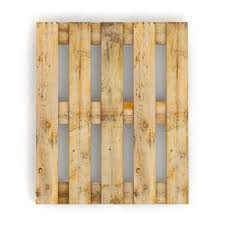
Wood Pallet Containers: The Complete Guide for Modern Businesses
If you’ve ever stood in a warehouse, stared at a sea of wooden pallets, and wondered how to make the most of them, you’re not alone. Wood pallet containers have evolved from simple shipping platforms into versatile, cost‑effective solutions for storage, transport, and even branding. In this post you’ll discover everything you need to know to select, use, and maintain wood pallet containers that keep your supply chain humming.
1. What Exactly Is a Wood Pallet Container?
A wood pallet container is a fully assembled, reusable wooden structure designed to hold, protect, and move goods. Unlike a bare pallet that serves only as a base, a pallet container typically incorporates side walls, a top deck, and sometimes a lockable lid—forming a box‑like enclosure that can be lifted by a forklift or pallet jack.
| Feature | Wood Pallet Container | Standard Wooden Pallet |
|---|---|---|
| Structure | Box with sides & sometimes lid | Flat deck only |
| Load Capacity | 1 500–4 500 lb (depends on grade) | 2 000–5 000 lb |
| Reusability | 10–30 cycles (or more with proper care) | 5–15 cycles |
| Protection | Side walls protect against damage & dust | Minimal protection |
| Customization | Branding, die‑cut openings, ventilation | Limited to deck size |
Bottom line: If you need more than a flat platform—think protection, organization, and reusable storage—wood pallet containers are the logical step up.
2. Why Choose Wood Over Plastic or Metal?
| Criterion | Wood | Plastic | Metal |
|---|---|---|---|
| Cost per unit | $25‑$60 | $45‑$120 | $70‑$200 |
| Weight | 30‑60 lb | 40‑80 lb | 70‑120 lb |
| Environmental impact | Biodegradable, recyclable, renewable | Petroleum‑based, not biodegradable | High energy production, recyclable but heavy |
| Strength-to-weight ratio | Excellent (especially hardwood) | Moderate | Very high |
| Ease of repair | Nail/screw, replace boards | Limited (often whole unit) | Welding, complex |
| Industry acceptance | Universal (most logistics systems) | Growing in food & pharma | Niche (heavy‑duty, automotive) |
Wood still reigns supreme for many supply‑chain managers because it hits the sweet spot between cost, durability, and sustainability. If your company has a green procurement policy, you’ll appreciate that wood pallets can be sourced from certified sustainably managed forests (FSC or PEFC) and fully recycled at end‑of‑life.
3. Types of Wood Pallet Containers
| Type | Description | Typical Applications |
|---|---|---|
| Closed‑Top Box | Fully enclosed on five sides, optional lockable lid | High‑value electronics, pharmaceuticals, seasonal inventory |
| Open‑Top Box | No lid, side walls only | Bulk raw material, agricultural produce, construction supplies |
| Ventilated Box | Slatted or perforated side walls for airflow | Fresh produce, chemicals that emit gases, parts requiring drying |
| Die‑Cut Box | Customized cut‑outs for handles, hinges, or branding | Retail displays, promotional packaging |
| Heavy‑Duty Box | Constructed from hardwood or reinforced with steel brackets | Heavy machinery parts, steel coils, pallets for export shipping |
When you’re selecting a container, ask yourself:
- Do I need a lid? If theft or dust is a concern, opt for a lockable top.
- Is airflow important? Choose a ventilated design for perishables.
- Will the container be stacked? Look at the load‑bearing rating of the top deck and side walls.
4. How to Size Your Wood Pallet Container
Sizing isn’t just a matter of “fits the product.” You need to account for clearance, stackability, and handling equipment. The most common pallet dimensions in North America are 48″ × 40″ (standard GMA) and 42″ × 42″ (Euro). However, containers can be built in custom dimensions.
Quick Sizing Checklist
- Measure the longest dimension of the product (including packaging).
- Add 2–3 inches on each side for clearance and handling ease.
- Calculate the total height (product height + side wall thickness + any lid).
- Check forklift fork width—standard forks are 48″. Ensure the container’s width doesn’t exceed this by more than 2″.
- Confirm load rating—total weight must be below the container’s maximum rated capacity.
Example: Packing 30‑lb Boxes of Hardware
| Parameter | Value |
|---|---|
| Box length (L) | 24″ |
| Box width (W) | 18″ |
| Box height (H) | 12″ |
| Clearance per side | 2″ |
| Container internal dimensions | 28″ × 22″ × 14″ |
| Container external dimensions (assuming 1.5″ walls) | 31″ × 25″ × 17″ |
| Load per container (max 3 boxes) | 90 lb (well under 2 000 lb rating) |
5. Buying vs. Building: Which Is Right for You?
| Factor | Purchasing Ready‑Made | Building In‑House |
|---|---|---|
| Initial cost | Higher per unit, but no tooling | Lower material cost, higher labor |
| Lead time | Days‑to‑weeks (stocked) | Weeks (design, cut, assemble) |
| Customization | Limited to vendor catalogs | Unlimited (die‑cut, branding) |
| Quality control | Vendor certifications (ISO, FSC) | Your own standards; risk of inconsistency |
| Scalability | Easy to scale up with additional orders | Requires more labor & space as volume grows |
| Sustainability tracking | Vendor can provide carbon footprints | You control sourcing; can aim for zero‑waste |
If you’re a small‑to‑mid‑size operation with occasional specialty shipments, buying pre‑made containers from a reputable supplier (e.g., CHEP, PalletOne) is usually the fastest route. Larger enterprises that run continuous high‑volume lines often find it cost‑effective to set up an on‑site pallet box assembly line, especially when they need unique dimensions or branding.
6. Maintenance & Longevity Tips
A well‑maintained wood pallet container can see 15–20 complete cycles before it needs replacement. Here’s how to keep yours in prime condition:
| Maintenance Task | Frequency | How‑to |
|---|---|---|
| Inspection for cracks, splinters, or loose nails | Every incoming/outgoing load | Visually scan; tap side walls—listen for hollow sounds |
| Cleaning (dry wipe or low‑pressure wash) | Weekly for high‑traffic zones | Use a soft brush; avoid high‑pressure water that can loosen glue |
| Rotating pallets | Monthly | Swap containers so the most‑used ones share wear |
| Re‑nailing or reinforcing | As needed (usually after 8–10 cycles) | Use stainless‑steel nails; add corner brackets for extra strength |
| Pest treatment | Semi‑annual (if stored in humid climates) | Apply approved wood preservatives; keep storage dry |
Quick tip: Keep a logbook (digital or paper) for each container ID. Recording each inspection, repair, and load weight helps you predict when a container will need retirement—a practice that saves money and prevents unexpected failures.
7. The Sustainability Angle
You may already know that wood is a renewable resource, but the full lifecycle makes wood pallet containers a compelling green choice:
- Sourcing – Certified sustainable forests ensure minimal impact on biodiversity.
- Manufacturing – Most factories use low‑energy processes; many employ waste‑to‑energy for sawdust.
- Reuse – A single container can replace dozens of cardboard boxes, reducing packaging waste.
- End‑of‑Life – At the end of its usable life, the pallet can be re‑claimed for lumber, chipped for biomass, or recycled in a closed‑loop system.
A recent LCA (Life Cycle Assessment) study by the Forest Stewardship Council found that a wooden pallet container generates ~30% less CO₂e than an equivalent plastic container over a 10‑year service life.
8. Real‑World Use Cases
| Industry | Challenge | Wood Pallet Container Solution |
|---|---|---|
| E‑commerce | High return volume, need for easy repackaging | Open‑top, lockable boxes that can be quickly inspected and restocked |
| Agriculture | Fresh produce needs ventilation and protection | Ventilated box with slatted sides, reusable across seasons |
| Automotive | Heavy parts (engine blocks) need strong, stackable storage | Heavy‑duty hardwood boxes with reinforced corners |
| Pharmaceutical | Strict temperature & contamination controls | Closed‑top, insulated boxes with clean‑room compatible finishes |
| Construction | Bulky building materials (tiles, lumber) require sturdy handling | Standard 48″ × 40″ boxes with high load rating, easy forklift access |
9. How to Get Started Today
- Audit your current pallet usage – Identify which items suffer damage due to lack of side walls or inadequate protection.
- Define your specifications – Length, width, height, load capacity, ventilation, lid requirement.
- Request quotes – Reach out to at least three reputable suppliers, ask for FSC/PEFC certification and sample units.
- Run a pilot – Deploy a small batch (e.g., 50 containers) for one product line; track damage rates, handling time, and cost per unit.
- Scale – If the pilot shows a ≥10% reduction in product damage and a ≥5% cost saving on packaging, roll out across the broader supply chain.
10. Frequently Asked Questions (FAQ)
| Question | Answer |
|---|---|
| Are wood pallet containers safe for food contact? | Yes, when made from food‑grade lumber (often untreated or treated with FDA‑approved preservatives). Always verify the supplier’s compliance with USDA/FSIS regulations. |
| Can I customize the exterior with my brand logo? | Absolutely. Most manufacturers offer laser‑etched, painted, or vinyl‑wrapped branding options. Some even provide die‑cut windows shaped like logos for a high‑impact display. |
| How do I dispose of a damaged pallet container? | If reusable parts remain, you can repair or salvage the wood for secondary use (e.g., pallets, crates). Otherwise, send it to a recycling facility where it will be chipped for biomass or reclaimed as lumber. |
| What is the typical lifespan of a wood pallet container? | With proper maintenance, a container can survive 15–20 full cycles (load‑unload‑store) before structural fatigue appears. The exact lifespan depends on load weight, environmental conditions, and handling practices. |
| Do I need special equipment to handle these containers? | No. Standard forklifts, pallet jacks, and even hand trucks can lift them as long as the weight stays within the equipment’s capacity. Some containers have built‑in lifting lugs to simplify manual handling. |
| Are there any regulations governing the use of wood pallets in international shipping? | Yes. For overseas shipments, pallets must meet ISPM 15 (International Standards for Phytosanitary Measures) which mandates heat treatment or fumigation to prevent the spread of pests. Many wood pallet containers are pre‑treated and stamped accordingly. |
| What’s the price difference between a standard pallet and a pallet container? | A basic 48″ × 40″ wooden pallet costs $15–$25. A comparable wood pallet container typically ranges from $35–$70, depending on side wall height, material grade, and any added features (lid, ventilation, branding). |
| Can I use reclaimed wood to build my own pallet containers? | Yes, provided the reclaimed wood meets structural and safety criteria (no rot, splinters, or contaminants). Using reclaimed material can further reduce your carbon footprint and may qualify for green procurement incentives. |
| How do I ensure consistent quality across multiple suppliers? | Request ISO 9001 certification and material test reports (e.g., Janka hardness, moisture content). Conduct random incoming inspections and maintain a supplier scorecard for ongoing performance monitoring. |
11. Bottom Line
Wood pallet ontainers are far more than a simple shipping platform—they’re a strategic asset that can reduce product damage, streamline handling, and reinforce your sustainability commitments. By understanding the types, sizing rules, and best‑practice maintenance, you can integrate them seamlessly into any supply chain, from e‑commerce fulfillment centers to heavy‑industry warehouses.
Take the next step: audit your current pallet usage, define your container specifications, and start a pilot program. Within a few weeks you’ll see tangible improvements in efficiency, cost, and environmental impact—proof that the right pallet can move more than just goods; it can move your business forward.