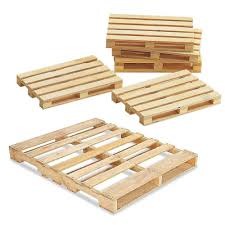
Wood Pallet Crusher: The Complete Guide for Warehouse Managers, Recycling Coordinators, and Small‑Biz Owners
If you run a distribution center, a manufacturing floor, or even a small e‑commerce fulfillment hub, you already know that wood pallets are the workhorses of every supply‑chain. They’re cheap, reusable, and sturdy – but once they’re damaged, broken, or no longer needed, they quickly become a space‑eating, fire‑hazard, and disposal nightmare.
That’s where a wood pallet crusher comes in. By turning bulky pallets into compact, low‑volume bundles, a crusher can transform a logistical headache into a cost‑saving, environmentally‑friendly solution. In this post you’ll learn:
| What you’ll discover | Why it matters to you |
|---|---|
| How a pallet crusher works | Reduce handling time and labor costs |
| The main types of crushers | Choose the right machine for your space and volume |
| Key selection criteria | Avoid overspending on features you don’t need |
| Safety & compliance tips | Keep your team protected and meet OSHA/EPA rules |
| ROI & pay‑back calculations | Quantify the financial upside |
| Maintenance best practices | Keep uptime high and service costs low |
| Real‑world case study | See how a similar operation saved $150K in one year |
| FAQ | Quick answers to the most common doubts |
Read on, and by the end of this guide you’ll have all the information you need to decide whether a wood pallet crusher belongs in your facility – and if so, which model will deliver the greatest return.
1. Why You Should Consider Crushing Pallets
1.1 Space is Money
A single standard 48”×40” pallet occupies roughly 1.2 cubic feet of floor space. Stack ten of them, and you’re looking at 12 cubic feet of occupied volume. In a busy warehouse, that space could instead be used for additional racking, staging, or even a small break‑room.
1.2 Disposal Costs Add Up
If you’re sending pallets to a landfill, the average tipping fee is $70–$120 per ton. A typical pallet weighs 30–40 lb, meaning you could be paying $10–$15 per pallet just to get rid of it.
1.3 Environmental Incentives
Many municipalities award recycling credits or tax breaks for diverting wood waste from landfills. By crushing pallets and feeding the shavings into a wood‑chip or bio‑fuel program, you can earn additional revenue streams.
1.4 Labor Efficiency
Manually breaking down a pallet takes 2–3 minutes per unit for a skilled worker. With a crusher, a single operator can process 30–40 pallets per minute – a 600‑plus‑fold productivity boost.
2. How a Wood Pallet Crusher Works
At its core, a pallet crusher is a hydraulic or electric press that forces a pallet through a series of rollers, flattening it into a compact bundle (usually 12–18 inches thick). The process can be broken down into three steps:
| Step | Description |
|---|---|
| Loading | The operator places the pallet on the feeder platform. Some models have a gravity‑feed system, while others use a conveyor belt for continuous operation. |
| Crushing | A hydraulic cylinder drives a crushing roll that applies 1,500–3,000 psi of pressure, folding the pallet into a tight stack. |
| Ejection & Bundling | Once compressed, the bundle slides onto a discharge chute where you can tie it with a strap or use an integrated automatic strapping unit. |
Advanced machines may include dust collection, automatic pallet detection (to stop the cycle if a pallet is missing), or adjustable stack thickness for different recycling needs.
3. Types of Wood Pallet Crushers
| Type | Power Source | Typical Capacity (pallets/hr) | Footprint (sq ft) | Ideal For |
|---|---|---|---|---|
| Hydraulic Stationary | Electric‑powered hydraulic pump | 500–1,200 | 8 × 10 | Large distribution centers, high‑volume pallet return streams |
| Electric Motor‑Driven | Direct electric motor (no hydraulic fluid) | 300–800 | 6 × 8 | Medium warehouses, facilities with strict environmental compliance (no oil leaks) |
| Portable/Cart‑Mounted | Battery‑powered or small electric motor | 100–250 | 4 × 5 (on wheels) | Small shops, on‑site demolition, field recycling |
| Integrated Strapping & Baling | Hydraulic + electric | 400–1000 (with optional strapping) | 9 × 12 | Companies that need ready‑to‑ship bundles (e.g., timber producers) |
Choosing the Right Type
- Volume – Estimate the number of pallets you receive per week. If you’re crushing >2,000 pallets/month, a stationary hydraulic unit will pay for itself quickly.
- Space – Measure the floor area you can allocate. Portable units can be tucked into a corner, while larger machines may need a dedicated room with 10‑ft ceiling clearance.
- Environmental Policies – If your company prohibits hydraulic fluid discharge, an electric‑motor‑driven crusher is the safer bet.
- Budget – Portable models start around $5,000, while high‑capacity hydraulic crushers can exceed $30,000 (excluding optional strapping equipment).
4. Safety & Compliance Considerations
Even though pallet crushing is straightforward, hazardous energy (hydraulic pressure) and moving parts demand rigorous safety protocols.
| Hazard | Control Measure |
|---|---|
| Pinch points from rollers | Install protective guarding and emergency stop buttons within reach of the operator. |
| Hydraulic fluid leaks | Use sealed hydraulic circuits and schedule regular inspections of hoses and seals. |
| Noise exposure (85–95 dB) | Provide hearing protection and consider acoustic enclosures. |
| Wood dust | Fit a dust extraction system (HEPA filter) to keep airborne particles below OSHA permissible exposure limits (PEL). |
| Strapping injuries | If you use automatic strapping, incorporate safety interlocks that stop the machine when a hand is detected. |
Make sure every operator completes a tool‑box talk before using the crusher and that OSHA 1910.212 (machine guarding) and EPA 40 CFR Part 503 (wood waste recycling) are referenced in your training manual.
5. Calculating ROI – Is a Crusher Worth It?
Below is a simplified example using typical numbers for a mid‑size distribution center that processes 1,500 pallets per month.
| Cost / Benefit | Amount (USD) |
|---|---|
| Initial purchase (hydraulic crusher) | $25,000 |
| Installation & training | $2,500 |
| Annual maintenance (5% of purchase) | $1,250 |
| Labor saved (2 min/pallet × $15/hr × 1,500 pallets) | $750 |
| Disposal cost avoided ($12/pallet × 1,500) | $18,000 |
| Recycling credit ($3/pallet × 1,500) | $4,500 |
| Total annual benefit | $22,500 |
| Payback period | ≈ 1.2 years |
Assumptions: labor cost $15/hr, disposal fee $12/pallet, recycling credit $3/pallet, and a 5‑year equipment life.
Key takeaway: Even with a modest recycling credit, the biggest savings come from eliminating landfill fees and reducing labor. Most users see a payback within 12–18 months.
6. Maintenance Best Practices
A well‑maintained crusher can run for 10+ years with minimal downtime. Follow this checklist:
- Daily – Remove pallet debris from rollers, check for abnormal noises, verify that safety guards are engaged.
- Weekly – Inspect hydraulic hoses for cracks, lubricate moving bearings, test the emergency stop.
- Monthly – Clean the dust collection filter, tighten bolt connections, calibrate the pressure gauge.
- Quarterly – Replace wear plates on the crushing roll (usually every 5,000–7,000 pallets) and verify strapping tension if applicable.
- Annually – Conduct a full preventive maintenance service with a certified technician; replace hydraulic fluid (if hydraulic) and conduct a safety audit.
Document every service event in a logbook—this not only prolongs equipment life but also helps you track the cost per pallet over time.
7. Real‑World Success Story
Company: GreenLogix Freight Solutions (Midwest, USA)
Challenge: 2,800 damaged pallets returned each month; disposal cost $30,000 annually. Limited floor space for pile‑up.
Solution: Installed a hydraulic 1,200‑pallet/hr crusher with automatic strapping. Implemented a dust‑extraction unit to meet OSHA noise/dust standards.
Results after 12 months:
| Metric | Before | After |
|---|---|---|
| Pallet disposal cost | $33,600 | $0 (all recycled) |
| Floor space used for pallets | 3,360 sq ft | 480 sq ft (compact bundles) |
| Labor hours spent breaking pallets | 140 hrs | 5 hrs |
| Net annual savings | — | $38,500 |
| Payback period | — | 8 months |
GreenLogix now sells the compressed bundles to a local biomass plant for $2.00 per bundle, adding a new revenue stream.
8. Frequently Asked Questions (FAQ)
Q1: Can a pallet crusher handle plastic or metal pallets?
A: Most crushers are engineered for solid wood pallets. Crushing plastic pallets can jam the rollers, while metal nails may damage the hydraulic system. If you receive mixed materials, install a pre‑sorting station or use a dual‑mode crusher with a metal detector.
Q2: How thick will the compressed bundle be?
A: Most machines allow you to set the stack thickness between 12 and 18 inches. Thinner bundles are ideal for baling or biomass feedstock, while thicker bundles are easier for manual handling and transport.
Q3: Do I need a separate power source?
A: Hydraulic units typically need a 3‑phase 220 V power supply and a small hydraulic reservoir. Electric‑motor units can run on single‑phase 110 V (for portable models) or 220 V (for larger stationary machines). Verify your facility’s electrical capacity before purchase.
Q4: What happens to nails and fasteners in the pallets?
A: The crushing process drives nails into the wood but does not remove them. If you intend to re‑use the wood chips for feedstock, you may need a magnetic separator downstream to extract ferrous debris.
Q5: Is there a limit to the size of pallets I can crush?
A: Standard 48×40 in pallets are the baseline. Some models can accommodate custom sizes up to 60×48 in, but you’ll need to confirm the maximum feed length from the manufacturer.
Q6: How noisy is a pallet crusher?
A: Typical sound levels range from 85 dB (portable) to 95 dB (large hydraulic). Use hearing protection and consider acoustic enclosures if the machine is near employee workstations.
Q7: Can I integrate the crusher with a warehouse management system (WMS)?
A: High‑end crushers offer IoT connectivity—they can send data on pallets processed, errors, and maintenance alerts to a cloud dashboard, which can be linked to your WMS for real‑time reporting.
Q8: What warranty and service options are available?
A: Most reputable manufacturers provide 1‑year parts and labor warranties, with optional extended service contracts (2–5 years). Look for suppliers that have local service technicians to minimize downtime.
9. Making the Decision – Your Next Steps
- Audit your pallet flow – Count the number of pallets received, returned, or condemned each month.
- Measure available floor space – Sketch a layout showing where a crusher could fit.
- Set a budget – Include purchase, installation, training, and yearly maintenance.
- Request quotes – Ask vendors for a price that includes optional strapping, dust collection, and IoT integration.
- Run a ROI calculator – Plug your numbers into the table above; aim for a payback under 18 months.
- Plan for safety – Draft a Standard Operating Procedure (SOP) and schedule a training session before the machine arrives.
- Pilot test – If possible, rent a unit for a month to validate throughput and ergonomics before committing to a purchase.
Bottom Line
A wood pallet crusher isn’t just a piece of heavy equipment – it’s a strategic asset that can shrink waste, slash disposal fees, free up valuable floor space, and even generate new revenue. By understanding the different machine types, safety requirements, and financial benefits, you’re equipped to make a data‑driven decision that keeps your operation efficient, compliant, and green.
Ready to reclaim the space that pallets are stealing? Start by cataloguing your pallet volume today, and let that data guide you toward the perfect crushing solution. Your warehouse floor (and your balance sheet) will thank you.