Wood Pallet Definition: Everything You Need to Know
Whether you’re managing a warehouse, running an e‑commerce fulfillment center, or just curious about the humble platform that moves millions of goods every day, understanding what a wood pallet is—and how it works—can save you time, money, and headaches. In this guide you’ll get a clear definition of a wood pallet, learn about its anatomy, discover the most common sizes, and see how it stacks up against alternative materials. By the end, you’ll be equipped to choose the right pallet for your operation and keep it in top condition.
1. What Exactly Is a Wood Pallet?
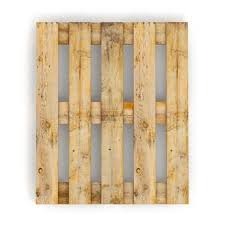
A wood pallet is a flat, portable framework built primarily from lumber that supports goods during storage, handling, and transportation. Think of it as a mini‑deck on wheels: it provides a stable, repeatable platform that forklifts, pallet jacks, and conveyers can easily lift and move.
Typical components include:
| Component | Description |
|---|---|
| Stringers (or blocks) | The long, horizontal beams that run the length of the pallet and bear most of the load. |
| Deck Boards | Thin slats (usually 1‑in‑2 or 1‑in‑3) nailed or screwed across the stringers to form the walking surface. |
| Nails / Screws / Staples | Fasteners that hold the deck boards to the stringers. The type and spacing affect strength and recyclability. |
| Top / Bottom Boards (optional) | Some pallets have a solid top board for added rigidity, while the bottom may be open or feature a “block” design. |
| Corner Protectors (optional) | Plastic or metal caps that shield the pallet’s corners from impact. |
When you hear “pallet,” the image that usually comes to mind is a standard 48 × 40‑inch wooden pallet—the workhorse of North America. But wood pallets come in many shapes, sizes, and designs, each optimized for a specific industry or load requirement.
2. How Are Wood Pallets Constructed?
Understanding the construction helps you evaluate strength, durability, and cost.
- Material Selection – Most pallets are made from softwood (pine, spruce, fir) because it’s inexpensive and readily available. Higher‑grade pallets may use hardwood (oak, maple) for extra strength.
- Design Choice – Two prevalent designs dominate the market:
- Stringer (or “two‑way”) pallets – Two long stringers on the ends, with deck boards spanning the width.
- Block (or “four‑way”) pallets – A grid of blocks at each corner and mid‑section, allowing forklifts to approach from any direction.
- Fastening Method – Nails are most common, but screws or staples can improve holding power and reduce the risk of loose boards.
- Heat Treatment (HT) / ISPM‑15 – International shipments often require pallets to be heat‑treated or fumigated (phytosanitary treatment) to prevent the spread of pests. Look for the ISPM‑15 stamp on compliant pallets.
3. Standard Wood Pallet Sizes
While custom dimensions are possible, a handful of sizes dominate global logistics. Below is a quick reference guide.
| Region | Common Size (L × W, inches) | Metric Equivalent (mm) | Typical Use |
|---|---|---|---|
| North America | 48 × 40 | 1219 × 1016 | Grocery, retail, automotive |
| Europe | 1200 × 800 | 1200 × 800 | Food, pharmaceuticals |
| Australia | 1165 × 1165 | 1165 × 1165 | Heavy‑industry, mining |
| Asia (Japan) | 1100 × 1100 | 1100 × 1100 | Electronics, automotive |
| Specialty | 42 × 42, 48 × 48, 36 × 36 | Varies | Custom packaging, pallets within pallets |
Why size matters: Pallet dimensions dictate how many units you can fit per layer, the efficiency of storage racks, and compatibility with shipping containers. Always verify that the dimension you choose aligns with your warehouse racking system and transport mode.
4. Load Capacity – How Much Can a Wood Pallet Carry?
A wood pallet’s rated load capacity depends on its design, lumber grade, and construction quality. Below is a typical range:
| Pallet Type | Approx. Static Load (lbs) | Approx. Dynamic Load (lbs) | Notes |
|---|---|---|---|
| 2‑Way Stringer (softwood) | 1,200 – 2,000 | 800 – 1,500 | Suitable for light‑to‑medium goods |
| 4‑Way Block (softwood) | 2,000 – 3,500 | 1,500 – 2,500 | Preferred for heavy loads and high‑traffic |
| Hard‑wood Block | 3,500 – 5,000 | 2,500 – 3,500 | Used in heavy‑industry (machinery, steel) |
| Heat‑Treated (HT) | Same as above | Same as above | Must meet ISPM‑15 for export |
Static load is the weight the pallet can support while stationary. Dynamic load is the weight it can bear while being moved (forklift lift, pallet jack, etc.). Exceeding these limits can cause board splitting, stringer breakage, or even pallet collapse—dangerous for workers and costly for businesses.
5. Advantages of Wood Pallets
| Advantage | How It Helps You |
|---|---|
| Low Up‑Front Cost | Softwood pallets are inexpensive to produce, making them ideal for high‑turnover environments. |
| Reusability & Repairability | You can replace broken boards or nails, extending pallet life beyond 5‑10 cycles. |
| Ease of Inspection | Visual checks for cracks, splinters, or loose fasteners are quick and don’t require special tools. |
| Biodegradability | At end‑of‑life, pallets can be chipped, mulched, or burned for energy—reducing landfill impact. |
| Compatibility | Most handling equipment (forklifts, pallet jacks) is designed for wood pallets, avoiding costly retrofits. |
6. Disadvantages (And How to Mitigate Them)
| Disadvantage | Mitigation Strategies |
|---|---|
| Susceptible to Moisture | Store pallets in dry areas; use moisture‑resistant treatments or plastic‑coated pallets for damp environments. |
| Variable Quality | Source pallets from reputable suppliers; request grade‑A or grade‑B certifications. |
| Pest Risks (International Shipping) | Use ISPM‑15 compliant, heat‑treated pallets for cross‑border shipments. |
| Weight – Wood pallets are heavier than plastic or metal options, affecting payload. | Optimize load planning to account for pallet tare weight. |
| Limited Lifespan – After several uses, boards may weaken. | Implement a pallet management program—track cycles and retire pallets before failure. |
7. Sustainability – Why Wood Pallets Are Eco‑Friendly
If sustainability is a priority for your brand, wood pallets have a strong green story:
- Renewable Resource – Most pallets are made from sustainably harvested timber certified by organizations such as FSC or PEFC.
- Carbon Sequestration – The wood stores carbon throughout its life, offsetting emissions.
- Closed‑Loop Recycling – End‑of‑life pallets can be reclaimed for reconstituted wood pallets, particle board, or bio‑fuel.
- Low Energy Manufacturing – Compared to metal or plastic, wood requires less energy to shape and assemble.
A simple metric: one ton of wood pallets can store up to 2,500 cubic meters of product, while using roughly 30% less energy than producing an equivalent number of plastic pallets.
8. Choosing the Right Wood Pallet for Your Operation
When you’re ready to purchase or specify pallets, ask yourself the following checklist:
| Question | Consideration |
|---|---|
| What’s the average weight of a single unit? | Determines required load capacity. |
| How will the pallet be handled? (forklift, pallet jack, conveyor) | Choose 4‑way block design for multi‑direction access. |
| Are you shipping internationally? | Insist on ISPM‑15 heat‑treated pallets. |
| Do you need moisture resistance? | Opt for plastic‑coated or pressure‑treated wood. |
| What’s your budget per pallet? | Softwood, grade‑B pallets are cheapest; hardwood or custom sizes cost more. |
| Do you have a pallet return program? | Implement tracking (barcode/RFID) to monitor pallet life cycles. |
9. Maintenance & Safety Tips
- Inspect Regularly – Look for splinters, loose nails, or cracks before each shift.
- Repair Promptly – Replace damaged boards and re‑nail loose sections; a single weak board can compromise the entire load.
- Store Correctly – Keep pallets off the floor (use a pallet rack) to allow airflow and prevent moisture absorption.
- Avoid Over‑Stacking – Stacking pallets more than three high without proper restraints can cause crushing.
- Train Staff – Ensure operators understand weight limits and proper lifting techniques to avoid injuries.
10. Frequently Asked Questions (FAQ)
| Question | Answer |
|---|---|
| What’s the difference between a “stringer” pallet and a “block” pallet? | Stringer pallets have two long beams (stringers) with deck boards across the width; they allow forklift entry only from the ends. Block pallets have a grid of blocks at each corner and mid‑section, enabling forklift entry from any side (four‑way). |
| Do wood pallets need to be treated for shipping to Europe? | Yes. European Union regulations require ISPM‑15 compliance—either heat‑treated (HT) or fumigated (MD) pallets with a certified stamp. |
| Can I reuse a wood pallet after it’s been damaged? | Minor damage (loose board, a few cracks) can be repaired with nails or wood glue. Severe damage (broken stringers, structural failure) warrants retirement. |
| How much does a standard 48 × 40 wood pallet weigh? | Approximately 30–35 lb (13–16 kg) for a basic soft‑wood pallet; heavier for hardwood or block designs. |
| Is there a standard for pallet height? | No universal standard, but most pallets are 5.5–6 in (140–150 mm) tall. Custom heights are available for special applications. |
| What’s the best way to track pallet inventory? | Implement barcode or RFID tags on each pallet and integrate with your warehouse management system (WMS). |
| Are wood pallets recyclable? | Absolutely. Pallets can be broken down and reclaimed for lumber, chipboard, mulch, or bio‑energy. |
| Do wood pallets pose a fire hazard? | While wood is combustible, pallets are typically stored in ventilated areas and can be treated with fire‑retardant chemicals if required by local fire codes. |
| Can I order custom‑size wood pallets? | Yes. Many manufacturers offer custom dimensions, lumber grades, and branding (laser‑etched logo). Expect higher lead times and cost. |
| What’s the difference between “grade‑A” and “grade‑B” pallets? | Grade‑A pallets meet strict visual and structural standards (no splinters, uniform board spacing). Grade‑B pallets may have minor cosmetic defects but still meet load requirements. |
11. Wrap‑Up: Your Wood Pallet Roadmap
You now have a solid definition of a wood pallet and a toolbox of knowledge to evaluate, select, and maintain them. Remember these key takeaways:
- Definition: A wooden framework of stringers, deck boards, and fasteners that supports goods during handling and transport.
- Common Sizes: 48 × 40 in (North America), 1200 × 800 mm (Europe), plus regional variations.
- Load Capacity: Varies by design—4‑way block pallets usually carry the most weight.
- Pros & Cons: Affordable, repairable, and sustainable, but vulnerable to moisture and pest rules.
- Sustainability: Renewable material, carbon‑sequestering, and recyclable at end‑of‑life.
- Selection Checklist: Weight, handling method, international compliance, moisture, budget, and return programs.
By applying these insights, you can optimize pallet usage, cut costs, improve safety, and align your logistics with today’s sustainability expectations. Happy pallet‑planning!