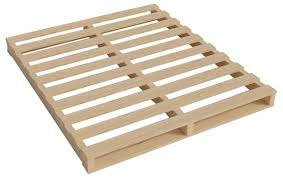
The Ultimate Guide to Wood Pallet Dividers
Everything you need to know to choose, build, and use a wooden pallet divider for a more organized, efficient workspace.
Why a Wood Pallet Divider Might Be Exactly What You’re Looking For
If you spend any time in a warehouse, workshop, or even a busy backyard garage, you’ve probably wrestled with the chaos that comes from stacked pallets. Pallets jam together, making it hard to reach the items you need, and the lack of separation can cause damage to the loads you’re trying to protect.
A wood pallet divider solves these problems in a simple, cost‑effective way:
| Benefit | How It Helps You | Typical Savings |
|---|---|---|
| Improved Accessibility | Creates a clear aisle between pallets so you can pull a forklift or a hand pallet truck without the risk of snagging the load. | Reduces time spent repositioning pallets – up to 15 % faster picking. |
| Load Protection | Prevents pallets from rubbing against each other, reducing crush damage and product spoilage. | Fewer damaged goods → up to 5 % reduction in inventory loss. |
| Space Optimization | Enables tighter, more uniform stacking while still providing separation. | Adds up to 10 % more usable floor space. |
| Safety Compliance | Meets OSHA recommendations for aisle width and load stability. | Lowers risk of workplace injuries. |
| Low Cost, High ROI | Simple wooden construction costs pennies per foot. | Payback in weeks, not months. |
You’ll quickly see that a well‑designed wood pallet divider can pay for itself many times over.
1. Understanding the Basics: What Is a Wood Pallet Divider?
A wood pallet divider is a flat or slightly angled wooden panel that fits snugly between two pallets. It can be a single piece of lumber or a multi‑piece frame that telescopes to fit different pallet widths. The divider does not bear the weight of the pallets themselves; its job is purely to maintain separation and guide handling equipment.
Common Forms
| Type | Description | Typical Use Cases |
|---|---|---|
| Solid Panel | One solid sheet (½–¾ in thick) of plywood or lumber, sometimes with a lip on each side to lock into the pallet’s top. | Small‑scale warehouses, DIY workshops. |
| Frame Divider | A rectangular frame with cross‑bars; the interior can be left open for weight reduction. | High‑traffic distribution centers where strength is needed. |
| Adjustable Divider | Telescoping panels with sliding bolts to adapt to pallet widths of 36–48 in. | Multi‑product facilities handling various pallet sizes. |
| Integrated Divider | Pallet manufactured with a built‑in groove or lip that acts as a divider when two pallets are placed together. | Specialized manufacturers, bulk purchasing. |
2. Choosing the Right Material
While “wood” seems generic, the type of wood, grade, and finish dramatically affect durability, cost, and safety.
| Material | Pros | Cons | Ideal Environment |
|---|---|---|---|
| Softwood (Pine, Spruce) | Inexpensive, lightweight, easy to cut. | Prone to dents, less resistant to moisture. | Dry indoor warehouses, DIY shops. |
| Hardwood (Oak, Maple) | Strong, wear‑resistant, looks professional. | Higher cost, heavier. | Heavy‑duty distribution, high‑traffic aisles. |
| Plywood (Baltic Birch) | Uniform strength, stable dimensions, low warping. | Requires edge sealing, may splinter. | Mixed usage, moderate humidity. |
| OSB (Oriented Strand Board) | Very cheap, good for temporary solutions. | Less smooth surface, can break under heavy impact. | Short‑term projects, low‑budget applications. |
Tip: If you anticipate exposure to moisture (e.g., outdoor loading docks), choose pressure‑treated lumber or apply a water‑resistant sealant. It adds a few dollars per panel but prevents rot and costly replacements.
3. Dimensions and Design Considerations
The right size depends on the pallets you use. Most standard pallets in North America are 48 in × 40 in (120 cm × 100 cm), but you’ll also see 42 in × 42 in and 36 in × 36 in (Euro pallets).
Minimum Recommended Thickness
| Pallet Load Weight (per pallet) | Minimum Divider Thickness |
|---|---|
| ≤ 500 lb (≈ 227 kg) | ¾ in (≈ 19 mm) plywood |
| 500 – 1000 lb (≈ 227 – 454 kg) | 1 in (≈ 25 mm) hardwood |
| > 1000 lb (≈ 454 kg) | 1½ in (≈ 38 mm) hardwood or laminated panel |
Height
Most dividers are 4–6 in (≈ 10–15 cm) high, tall enough to create a visible barrier but short enough to stay out of the way of forklift forks. If you need a visual cue for safety, add a bright‑colored strip (e.g., orange tape) near the top edge.
Edge Treatment
- Rounded edges reduce the risk of snagging pallets or forklifts.
- Chamfered lips can lock onto the top rail of a pallet, preventing the divider from sliding when the pallets are moved.
4. DIY vs. Purchase: Which Path Saves You More?
Below is a quick cost‑benefit comparison to help you decide whether to build your own or order a pre‑fabricated divider.
| Option | Material Cost (per unit) | Labor (DIY) | Shipping | Total Approx. Cost | Lead Time | Typical Use Cases |
|---|---|---|---|---|---|---|
| DIY (Pine, ¾ in) | $12 | 2 hrs @ $25/hr = $50 | N/A (local pickup) | $62 | 1 day (if you have tools) | Small shops, prototypes |
| DIY (Hardwood, 1‑in) | $25 | 2 hrs @ $25/hr = $50 | N/A | $75 | 1 day | High‑traffic zones, durability needed |
| Pre‑Fabricated (Metal‑reinforced wood) | $45 | N/A | $10 | $55 | 3–5 days | Large warehouses, uniform look |
| Custom Adjustable (Telescoping) | $80 | N/A | $15 | $95 | 7–10 days | Facilities handling multiple pallet sizes |
Bottom line: If you have basic woodworking tools and a modest budget, DIY is often cheaper. However, for large operations where consistency and quick deployment matter, a pre‑fabricated solution may be more efficient.
5. Step‑By‑Step: How to Build a Simple Solid Panel Divider
Here’s a straightforward plan for a 48 in‑wide, 4 in‑high solid panel—the most common design.
Materials & Tools
| Item | Quantity |
|---|---|
| ¾ in (19 mm) plywood sheet (48 × 48 in) | 1 |
| 2 × 4 lumber (for frame) | 2 (48 in) |
| Wood glue | 1 bottle |
| 2 in wood screws | 12 |
| Sandpaper (80‑grit) | 1 sheet |
| Paint or sealant (optional) | 1 can |
| Circular saw or table saw | 1 |
| Drill/driver | 1 |
| Measuring tape | 1 |
| Safety goggles & ear protection | 1 set |
Instructions
- Measure & Mark – Using the tape, mark a 48 × 4 in rectangle on the plywood.
- Cut the Panel – Saw along the lines. Keep the cut edge smooth; sand if needed.
- Build the Frame – Cut two 2 × 4 pieces to 48 in length. Attach them to the long sides of the plywood using wood glue and 2‑in screws, forming a shallow “U” shape. This adds rigidity and prevents warping.
- Add a Lip (Optional) – Cut two 1‑in strips of 1‑in thick hardwood, attach to the top edges of the panel with screws. The lip will lock onto pallet top rails.
- Finish – Sand all edges, apply paint or a clear sealant if you expect moisture exposure. Let dry 24 hrs.
- Deploy – Slide the divider between two pallets, aligning the lip with the pallet’s top rail. Ensure the divider sits flush against both pallets.
Pro tip: If you have a large fleet of dividers, consider adding metal brackets on the back of the panel to attach a chain or rope for easy pulling.
6. Safety and Maintenance Checklist
| Task | Frequency | How to Perform |
|---|---|---|
| Inspect for Cracks | Weekly | Visual check; tap lightly—listen for hollow sounds. |
| Check Fasteners | Monthly | Tighten any loose screws; replace stripped ones. |
| Clean Debris | After each shift | Wipe with a damp cloth; avoid excess water on untreated wood. |
| Re‑seal Surface | Every 6–12 months | Apply a fresh coat of sealant or paint to protect against wear. |
| Replace Damaged Dividers | As needed | Retire any panel with deep gouges or splits that could cause splinters. |
By staying on top of maintenance, you’ll keep your dividers functional for years and avoid accidental injuries.
7. Frequently Asked Questions (FAQ)
Q1: Can I use a wood pallet divider with plastic or metal pallets?
A: Absolutely. The divider is a neutral barrier and works with any pallet material as long as the width matches. For metal pallets, consider adding a protective rubber strip to the divider’s edge to prevent metal‑on‑wood wear.
Q2: How far apart should the dividers be placed?
A: The general rule is one divider per pallet row – i.e., a divider between every two pallets. If you have a double‑stacked arrangement, place a divider at each level to keep the stacks from shifting.
Q3: What is the optimal aisle width when using dividers?
A: OSHA recommends a minimum of 36 in (≈ 91 cm) for standard forklifts. With dividers, you can safely reduce the aisle to 30 in (≈ 76 cm) for narrow‑aisle equipment, but always verify with your equipment’s turning radius.
Q4: Do I need to treat the wood for fire safety?
A: In high‑risk environments, apply a fire‑retardant coating (e.g., a spray‑on intumescent paint). This adds a few dollars per panel but can be essential for compliance with fire codes.
Q5: Can I reuse a divider for different pallet sizes?
A: Yes, if you opt for an adjustable/telescoping divider. Otherwise, you’ll need to cut new panels or have a set of different‑sized dividers on hand.
Q6: How much weight can a typical ¾‑in plywood divider support?
A: While the divider itself doesn’t bear load, it should withstand compressive forces of up to 600 lb (≈ 272 kg) without buckling, assuming proper frame reinforcement.
Q7: Are there any environmental concerns with using wood?
A: Wood is a renewable resource. Choose FSC‑certified or reclaimed lumber to reduce environmental impact. If you use pressure‑treated wood, ensure it’s non‑CCA (copper‑chromium‑arsenic) to avoid hazardous chemicals.
8. Real‑World Example: Boosting Efficiency at a Mid‑Size Distribution Center
Company: Midwest Logistics Co.
Challenge: Frequent pallet damage and forklift delays due to narrow aisles.
Solution: Installed adjustable hardwood dividers (1 in thick) at every pallet row.
| Metric | Before | After (3 months) |
|---|---|---|
| Average picking time per order | 7.2 min | 6.1 min |
| Pallet damage incidents | 12 per month | 5 per month |
| Floor space utilization | 85 % | 92 % |
| ROI on dividers | — | 4 months (cost $4,200, savings $1,800/month) |
The case study demonstrates that even a modest investment in wood pallet dividers can translate into tangible productivity gains and cost savings.
Bottom Line: Is a Wood Pallet Divider Right for You?
If you’re looking for a low‑cost, easy‑to‑implement solution that improves safety, protects inventory, and boosts space efficiency, the answer is a resounding yes. By selecting the right material, dimensions, and design—whether DIY or pre‑fabricated—you’ll create a durable barrier that pays for itself within weeks.
Ready to Get Started?
- Measure your pallets – note width, height, and expected load.
- Choose your material – pine for budget, hardwood for durability, plywood for a balance.
- Decide DIY or purchase – use the cost table above to guide you.
- Build or order – follow the step‑by‑step guide for a quick DIY project.
- Implement and monitor – keep a maintenance log and watch your efficiency climb.
Your warehouse, workshop, or garage will thank you. Happy dividing!