Build Your Own Wood‑Pallet Gazebo: A Step‑by‑Step Guide (with Tables, Tips, and FAQs)
Imagine stepping out onto your backyard patio and being greeted by a rustic, yet polished, wooden shelter that you built with your own two hands. A wood‑pallet gazebo gives you exactly that – a cost‑effective, eco‑friendly retreat that adds shade, visual interest, and extra usable space to any outdoor area. In this post you’ll learn everything you need to know to turn a stack of reclaimed pallets into a beautiful gazebo, from planning and budgeting to construction, finishing, and maintenance.
1. Why Choose Pallets for Your Gazebo?
| Benefit | How It Impacts Your Project |
|---|---|
| Low Cost | Pallets are often free or inexpensive when sourced from local warehouses, retailers, or online classifieds. |
| Sustainability | Reusing pallets keeps wood out of landfills and reduces demand for new lumber. |
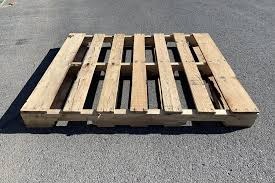
| Modular Design | Pallet dimensions (standard 48” × 40”) make it easy to calculate and adjust measurements on the fly. |
| DIY‑Friendly | Most pallets are designed for easy disassembly; you can separate the boards with a crowbar or a reciprocating saw. |
| Rustic Aesthetic | The weathered grain and nail‑stamped look add instant charm without the need for additional décor. |
If you’re looking for a budget‑friendly project that also scores high on sustainability points, a pallet gazebo checks all the boxes.
2. Planning & Permits
Before you cut the first board, answer these questions:
| Question | Why It Matters |
|---|---|
| What size do you need? | Determines the number of pallets, the footprint, and the load‑bearing requirements. |
| Where will it sit? | Ground slope, sunlight direction, and proximity to utilities affect foundation and orientation. |
| Do you need a permit? | Some municipalities require building permits for structures over a certain height or square footage. |
| What will you use it for? | A place to host dinner parties may need electrical wiring for lights, while a simple lounge area may not. |
Check with your local building department and homeowners’ association (if applicable) early on so you can incorporate any required setbacks, height limits, or footings into your design.
3. Materials & Cost Overview
Below is a realistic material list for a 10 ft × 10 ft square gazebo that can comfortably seat six people. Prices are approximate (US dollars) for a DIY‑oriented market in 2025.
| Item | Quantity | Typical Cost per Unit | Sub‑Total |
|---|---|---|---|
| Reclaimed pallets (standard 48” × 40”) | 30 (for walls, roof, floor) | $3–$5 each (or free) | $90–$150 |
| Pressure‑treated 2 × 4 lumber (for framing) | 12 × 8 ft | $4.50 per piece | $54 |
| Exterior‑grade plywood (½” for roof deck) | 2 sheets (4 × 8 ft) | $45 each | $90 |
| Screws (deck‑type, 3”) | 5 lbs | $8 per lb | $40 |
| Galvanized nails (16 d) | 2 lbs | $5 per lb | $10 |
| Wood sealer / exterior stain | 1 gal | $30 | $30 |
| Concrete mix (for footings) | 4 bags (80 lb) | $5 per bag | $20 |
| Optional: LED strip lighting kit | 1 kit | $25 | $25 |
| Total Estimated Cost | — | — | $399–$459 |
Tip: If you have a local pallet recycler or a hardware store that discards pallets, you can often get them for free. Just be sure to inspect for rot, chemicals, or insect damage before using them.
4. Design Options to Suit Your Style
| Style | Key Features | Modifications with Pallets |
|---|---|---|
| Classic Rustic | Exposed pallet boards, rough‑sawn look | Leave boards untreated or use a clear sealant; add a thatch‑style roof using straw or synthetic thatch. |
| Modern Minimalist | Clean lines, uniform color | Sand and paint pallets in a neutral tone; add metal brackets for a sleek joint. |
| Mediterranean | Arched openings, light‑colored wood | Curve the top beams with a jigsaw; use a light, sun‑bleached stain and add vines. |
| Eco‑Chic | Green roof, reclaimed décor | Install a lightweight soil layer on the roof, plant succulents; integrate reclaimed furniture inside. |
Pick the aesthetic that matches your backyard vibe, then adjust the dimensions and finishing touches accordingly.
5. Step‑by‑Step Construction Guide
Below is a concise table that walks you through each major phase, including estimated time and tools required.
| Phase | Tasks | Approx. Time | Tools & Materials |
|---|---|---|---|
| A. Site Preparation | 1️⃣ Mark layout with stakes & string. 2️⃣ Level the ground; dig four 12‑inch holes for footings. 3️⃣ Pour concrete footings (≈4 × 4 × 12 in). | 4–6 hrs | Shovel, level, measuring tape, concrete mix |
| B. Frame Assembly | 1️⃣ Build a square base using 2 × 4s on the footings. 2️⃣ Add vertical posts (8 ft) and cross‑bracing. 3️⃣ Install a perimeter frame for the roof. | 6–8 hrs | Saw, drill, screws, carpenter’s square |
| C. Pallet Disassembly | 1️⃣ Remove boards from pallets (keep the long side as wall studs). 2️⃣ Sort boards by length & condition. | 3–4 hrs | Pry bar, reciprocating saw, safety goggles |
| D. Wall Construction | 1️⃣ Attach pallet boards to the frame (screw every 12 in). 2️⃣ Leave openings for doors/windows if desired. | 5–7 hrs | Drill, deck screws, measuring tape |
| E. Roof Decking | 1️⃣ Lay plywood sheets on the roof frame. 2️⃣ Secure with deck screws; add a second layer of pallet boards as shingles (optional). | 3–4 hrs | Plywood, screws, circular saw |
| F. Finishing Touches | 1️⃣ Sand rough edges. 2️⃣ Apply wood sealer or stain (2 coats). 3️⃣ Install LED strip lighting, attach door latch, add cushions. | 4–5 hrs | Sandpaper, brush/roller, sealer, lighting kit |
| G. Clean‑up & Inspection | 1️⃣ Remove debris, check for loose fasteners. 2️⃣ Test stability, ensure roof is watertight. | 1–2 hrs | Hand tools, ladder |
Total Build Time: ~30–36 hours (spread over 3–5 days).
Pro Tip: Work with a friend or family member for the larger lifting tasks (roof panel placement, post positioning). Two sets of hands dramatically reduce fatigue and improve safety.
6. Safety & Structural Tips
- Check Pallet Condition – Avoid pallets stamped with “HT” (heat‑treated) if you plan to treat the wood with a water‑based sealant, as the heat‑treatment can affect absorption. Discard any pallet with visible cracks, rot, or chemical stains.
- Use Galvanized Fasteners – Since the gazebo will be exposed to moisture, stainless‑steel or hot‑dip‑galvanized screws and nails prevent rust that could compromise the structure.
- Reinforce Joins – Install metal corner brackets at every intersection of the 2 × 4 frame for added lateral strength, especially in windy regions.
- Elevate the Floor – If your ground is prone to dampness, raise the pallet floor by 4–6 in using pressure‑treated joists. This prevents wood rot from ground contact.
- Roof Pitch – Aim for at least a 6‑inch rise over a 3‑ft run (≈12% slope) to facilitate water runoff. Combine the plywood deck with a layer of shingled pallet boards for extra drainage.
7. Maintenance Checklist
| Frequency | Task | Reason |
|---|---|---|
| Monthly | Sweep leaves & debris from the roof and floor | Prevent water pooling and mold |
| Seasonally (Spring/Fall) | Inspect for loose screws, rust, or wood rot; tighten or replace as needed | Extend lifespan |
| Annually | Apply a fresh coat of exterior sealant or stain | Protect against UV, rain, and insects |
| After Severe Weather | Check roof integrity; replace any broken boards | Preserve structural safety |
With a little routine care, your pallet gazebo can remain a sturdy, eye‑catching fixture for 10 years or more.
8. Cost‑Saving Alternatives
| Option | What You Trade‑Off | Savings |
|---|---|---|
| Use Only Pallet Boards (No 2 × 4 Frame) | Reduced structural rigidity; may need more frequent tightening | Up to 30 % off material costs |
| Skip Concrete Footings (Use Deck Blocks) | May limit stability on uneven ground; shorter lifespan | $15–$20 vs. $20 for concrete |
| DIY Lighting (Solar Lanterns) | Less uniform illumination; need daylight for charging | $10–$15 vs. $25 for LED strip kit |
| Finish with Outdoor Oil Instead of Stain | Slightly less UV protection; more frequent re‑application | $20 vs. $30 for stain |
Choose the combination that fits your budget and how much time you’re willing to invest in upkeep.
9. Frequently Asked Questions (FAQ)
Q1: Are pallet gazebos legal in most residential neighborhoods?
A: Generally, yes, as long as the structure complies with local building codes regarding height, setbacks, and foundation. Always verify with your municipality before beginning construction.
Q2: Can I use pallets that have been treated with chemicals?
A: Avoid pallets marked “MB” (methyl bromide) or “Chemically Treated.” Heat‑treated (HT) pallets are safer, but it’s best to sand and seal them before use. If you’re uncertain, contact the supplier for the pallet’s treatment history.
Q3: How many pallets do I need for a 12 ft × 12 ft gazebo?
A: Roughly 45–50 pallets: 20 for walls (both sides), 8 for the floor, and 12–14 for the roof deck and shingle layer, plus extras for cutting and waste.
Q4: What is the best way to attach pallet boards to the frame?
A: Use 3‑inch deck screws spaced every 12 inches along each board. Pre‑drill pilot holes to avoid splitting the wood and to keep the nail head flush with the surface.
Q5: Can I incorporate a built‑in bench or storage inside the gazebo?
A: Absolutely. Design the interior walls with a 2 × 4 frame that doubles as a seat back, then attach pallet boards as slatted benches. Adding a simple pallet shelf beneath the bench provides hidden storage.
Q6: How do I waterproof the roof without commercial shingles?
A: After installing the plywood deck, lay a roll of EPDM rubber roofing membrane (≈$0.60 / sq ft) over the top, sealing the seams with roofing tape. Finish with a layer of pallet boards or shingles for a rustic look.
Q7: What tools are essential for a first‑time pallet builder?
A: Safety glasses, work gloves, hammer or crowbar, reciprocating or circular saw, drill/driver, level, measuring tape, and a sturdy ladder. A power sander speeds up the finishing process but isn’t mandatory.
Q8: Will the gazebo attract insects or rodents?
A: Proper sealing of gaps and keeping the floor elevated reduces pest habitation. Regularly inspect for signs of nesting and apply natural repellents (e.g., peppermint oil) around the perimeter.
Q9: Can I attach a ceiling fan or misting system?
A: Yes, if you install a small electrical conduit and a weather‑rated fan or misting kit. Ensure the roof structure can support the additional weight (typically 10–15 lb for a fan).
Q10: How long does it take for the sealant to cure before using the gazebo?
A: Most exterior stains or clear sealers need 24–48 hours of drying time in moderate temperature (55‑75 °F) and low humidity. Check the manufacturer’s label for exact cure times.
10. Your Next Steps
- Source Your Pallets – Contact local warehouses, grocery stores, or browse online marketplaces (Freecycle, Craigslist).
- Create a Sketch – Draw a rough plan with dimensions, door/window placements, and roof pitch.
- Check Regulations – File any permit applications and note required setbacks.
- Gather Materials – Use the table above as a purchasing checklist.
- Set a Build Date – Choose a dry week with mild weather for optimal curing of sealants.
Once your gazebo stands proudly in your garden, you’ll have a versatile space for weekend barbecues, quiet reading sessions, or simply a shaded spot to enjoy a summer evening. And the best part? You built it yourself, turning salvaged pallets into a centerpiece that reflects both creativity and responsibility.
Ready to get started? Grab a coffee, grab a friend, and let those pallets find a new purpose. Happy building!