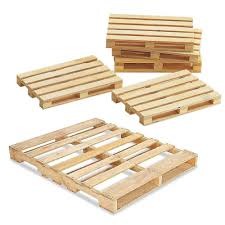
The Complete Guide to Wood Pallet Grades
Everything you need to know to choose, inspect, and certify the right pallet for your operation
When you order, ship, or store goods on wood pallets, the “grade” of that pallet can make a huge difference in cost, durability, and compliance. Whether you’re a warehouse manager, a small‑business owner, or a logistics coordinator, understanding pallet grades lets you:
- Avoid unexpected break‑downs – a low‑grade pallet can collapse under a heavy load.
- Meet regulatory requirements – many import/export programs (e.g., ISPM‑15) demand specific treatments and grades.
- Control spend – higher‑grade pallets cost more, but buying the wrong grade can cost you in downtime, damage claims, and re‑shipping.
Below you’ll find a step‑by‑step walk‑through of the most common grading systems, the criteria that define each grade, and how to decide which pallet is right for your supply‑chain needs.
1. Why Pallet Grades Matter
| Benefit | How Grade Impacts It |
|---|---|
| Load‑bearing capacity | Higher grades are built with tighter‑fitting, defect‑free boards, allowing them to support heavier loads without crushing. |
| Longevity | Graded pallets are inspected for cracks, splits, and fungal decay, which translates to longer service life. |
| Compliance & safety | Many standards (ISO, EPAL, USDA) require a minimum grade for certain shipments; using a lower grade can lead to customs holds or insurance penalties. |
| Cost efficiency | Buying a grade that matches your weight‑class prevents over‑paying for premium pallets you’ll never fully utilize. |
2. The Major Grading Systems
2.1 EPAL (European Pallet Association)
- Scope – The most widely accepted pallet standard in Europe and increasingly in North America.
- Grades – EPAL A‑Standard, EPAL B‑Standard, and EPAL C‑Standard. The A‑Standard is the only grade that can be stamped with the EPAL logo and is the highest quality.
2.2 USDA (United States Department of Agriculture)
- Scope – Governs pallets used for interstate and international shipments of agricultural products.
- Grades – USDA 1, USDA 2, USDA 3, and USDA 4 (with 1 being the highest). The USDA also issues the “Pallet Certification” for heat‑treated or fumigated pallets (ISPM‑15).
2.3 ISO 6780
- Scope – Defines pallet dimensions but does not prescribe quality. It is often paired with a grade from EPAL or USDA.
2.4 Custom/Proprietary Grades
Many manufacturers sell “standard,” “economy,” or “heavy‑duty” pallets that map loosely to the above standards. When dealing with a private label, always ask for a grade sheet that outlines the inspection criteria.
3. What Makes Up a Pallet Grade?
| Inspection Item | Typical Defect Limits (per grade) | Why It Matters |
|---|---|---|
| Board Quality (splits, cracks, knots) | EPAL A: ≤ 2 minor defects per board; EPAL B: ≤ 4; USDA 1: < 5% defective boards | Weak boards reduce load capacity and increase breakage risk. |
| Nail/Staple Placement | EPAL A: nails ≤ 12 mm from edge; EPAL B: ≤ 25 mm | Proper nail placement prevents board delamination and helps keep pallet shape under stress. |
| Dimensions & Flatness | ±3 mm tolerance for EPAL A; ±6 mm for EPAL B | Consistent dimensions ensure smooth flow on conveyors and automated handling systems. |
| Load‑bearing Capacity | EPAL A: 1,500 kg (four-way); EPAL B: 1,200 kg | Directly relates to the type of product you’ll be shipping. |
| Heat‑Treatment / Fumigation | Required for ISPM‑15 (HT) or MB (Methyl Bromide) | Prevents the spread of invasive pests in international shipments. |
| Markings & Stamps | EPAL logo, USDA stamp, HT/MB symbol | Proof of compliance for customs and quality auditors. |
Quick tip: If a pallet fails any one of the above criteria, it will be downgraded to the next lower grade automatically.
4. Choosing the Right Grade for Your Application
Below is a decision‑matrix to help you match common use‑cases with the appropriate grade.
| Use‑Case | Typical Load (kg) | Recommended Minimum Grade | Reasoning |
|---|---|---|---|
| Small‑parcel e‑commerce (light boxes, ≤ 30 kg) | ≤ 30 | USDA 3 / EPAL C | Low weight, high turnover; economy pallets keep costs down. |
| Automotive parts (heavy, irregular shapes) | 500–1,200 | EPAL B or USDA 2 | Higher load capacity and tighter tolerances prevent wobble on assembly lines. |
| Food & Produce (international) | 200–800 | USDA 1 (HT) or EPAL A (HT) | Must meet ISPM‑15; higher grade reduces risk of contamination and damage. |
| Pharmaceuticals (temperature‑sensitive) | ≤ 200 | USDA 1 (HT) or custom “clean‑room” grade | Strict hygiene requirements; often paired with a “sterile” coating. |
| Reusable Bulk Material (sand, gravel) | 1,000–1,500 | EPAL A (four‑way) or USDA 1 | Maximizes lifespan under harsh conditions; higher grade withstands repeated cycles. |
5. How to Inspect Pallets in the Field
- Visual Scan – Walk around the pallet and look for obvious cracks, split ends, or missing nails.
- Touch Test – Press the boards to feel for softness or rot; a solid board will feel firm and dry.
- Measurement – Use a tape measure or caliper to verify length, width, and height within tolerance.
- Load Test (if possible) – Place a known weight on the pallet and watch for deflection.
- Mark Verification – Check for the required stamps (EPAL, USDA, HT/MB). Note any illegible or missing marks.
Field Inspection Checklist (Print‑out Ready)
| Item | Pass / Fail | Comments |
|---|---|---|
| Board defects ≤ allowed limit | ||
| Nail placement (distance to edge) | ||
| Dimensions within tolerance | ||
| Load‑bearing capacity (visual estimate) | ||
| Heat‑treatment / fumigation stamp present | ||
| Overall pallet integrity (no wobble) |
6. The Cost Side‑Effect of Grades
| Grade | Approx. Unit Cost (US $) | Expected Service Life (cycles) | Typical Users |
|---|---|---|---|
| EPAL A / USDA 1 (HT) | 3.00–4.50 | 1,200‑2,000 | International exporters, high‑value goods |
| EPAL B / USDA 2 | 2.20–3.00 | 800‑1,200 | Heavy‑duty domestic distribution |
| EPAL C / USDA 3 | 1.50–2.20 | 400‑800 | Light‑weight parcels, e‑commerce |
| Economy / Standard | 0.90–1.40 | 150‑300 | One‑time or short‑term shipments |
Bottom line: A higher‑grade pallet may cost up to 3× more per unit, but the reduction in damage claims and pallet replacement can quickly offset the premium. Run a simple ROI model:
ROI = (Saved Damage Cost + Extended Life Savings – Extra Pallet Cost) / Extra Pallet Cost
If ROI > 1 (i.e., you save more than you spend), the higher grade is justified.
7. Frequently Asked Questions (FAQ)
| Question | Answer |
|---|---|
| Do I need a different grade for inbound vs. outbound shipments? | Not necessarily. The same grade can serve both directions if it meets the most stringent requirement (usually outbound). However, pallets that have been heavily soiled on the inbound side may need a re‑grade or cleaning before reuse. |
| Can I repurpose a lower‑grade pallet for a higher‑grade application? | Technically you can, but you risk exceeding its load‑capacity and failing inspections. It’s safer to upgrade to a pallet that’s certified for the higher load. |
| What is the difference between “heat‑treated” and “methyl bromide” markings? | Both satisfy ISPM‑15, but heat‑treatment (HT) uses high temperature, while methyl bromide (MB) relies on fumigation. HT is more widely accepted and environmentally preferred. |
| How often should pallets be re‑inspected? | For high‑volume operations, perform a visual check daily and a formal grade audit monthly. For low‑volume or one‑time shipments, a single inspection before loading is sufficient. |
| Are there eco‑friendly alternatives to traditional wood pallets? | Yes—plastic, metal, and engineered “press‑board” pallets exist. However, they each have their own grading standards (e.g., ASTM for plastic). If sustainability is a priority, calculate total lifecycle cost comparisons. |
| What happens if a pallet fails an inspection at customs? | Customs may seize the pallet, issue a fine, or demand that you replace it with an approved grade. This can cause delays and added shipping costs, so always verify grade compliance ahead of time. |
| Can I request a custom grade for a unique load? | Absolutely. Many manufacturers offer “custom specifications” where you can specify board thickness, nail pattern, or load capacity. Just ensure the custom grade is documented and signed off by a third‑party inspector. |
| Is there a certification body I should trust for pallet grading? | In North America, USDA and EPAL are the gold standards. For third‑party verification, look for auditors accredited by ISO 9001 or ANSI/ASQC. |
| Do pallet grades affect insurance premiums? | Yes—insurers often require you to follow industry‑accepted grades for high‑value shipments. Using a lower grade can increase the deductible or raise the premium. |
| How do I track the grade of each pallet in my inventory system? | Tag every pallet with a QR code or RFID label that includes the grade, treatment, and manufacture date. Many Warehouse Management Systems (WMS) have built‑in fields for this data. |
8. Takeaway: Grade Your Pallet Strategy
- Map your loads – Determine the heaviest weight, shape, and handling method.
- Identify regulatory needs – International shipments = ISPM‑15; food = USDA treatment; high‑value = EPAL A.
- Select the minimum grade that satisfies both – Don’t over‑pay, but don’t under‑grade either.
- Implement a regular inspection routine – Use the checklist above to stay compliant.
- Document everything – Keep grade certificates, treatment stamps, and inspection logs handy for auditors and customs officers.
By treating pallet grade as a strategic asset rather than a line‑item expense, you’ll see fewer product damages, smoother customs clearance, and a healthier bottom line.
Ready to upgrade your pallet game? Start by requesting a sample grade sheet from your supplier and cross‑check it against the matrix above. The right pallet today can save you countless headaches tomorrow.