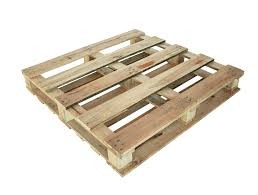
The Ultimate Guide to Wood Pallet Icons: Design, Use, and Best Practices
You’ve probably seen the iconic wooden pallet in every warehouse, moving‑truck, or DIY video online. It’s also become a surprisingly popular visual shorthand in digital design—whether you’re building a logistics dashboard, creating an e‑commerce storefront for a furniture shop, or simply spicing up a presentation about sustainable packaging.
If you’re looking to incorporate a wood pallet icon into your project, you might wonder which style works best, how to keep it legally safe, and how to make it look great on any screen size. This long‑form guide walks you through every facet of the wood pallet icon, from concept to implementation, and ends with a handy FAQ that answers the most common questions.
1. Why a Wood Pallet Icon Works So Well
| Benefit | Explanation |
|---|---|
| Instant Recognition | Even without text, most people associate a wooden grid of slats with shipping, storage, and “hand‑made” aesthetics. |
| Versatile Metaphor | It can represent logistics, sustainability, DIY, or “building blocks” for growth. |
| Neutral Yet Warm | The natural texture adds warmth without the cultural baggage of brand‑specific symbols. |
| Scalable Simplicity | A basic pallet silhouette remains clear at 16 px, while a detailed illustration still reads well at 256 px+. |
Because of these qualities, the pallet icon is a go‑to asset for:
- Supply‑chain dashboards – indicating a loading dock or inventory node.
- E‑commerce sites – highlighting “ready to ship” or “hand‑crafted” products.
- Sustainability reports – emphasizing reuse, recycling, or up‑cycling.
- Instructional materials – showing how to stack, load, or de‑construct items.
2. Choosing the Right Style
Your design system may already have a visual language (flat, outline, glyph, 3‑D, hand‑drawn). Aligning the pallet icon with that language ensures consistency. Below is a quick comparison of the four most common styles.
| Style | Visual Traits | Ideal Use Cases | File Formats |
|---|---|---|---|
| Flat/Monochrome | Single‑color silhouette, no gradients | Mobile apps, minimal dashboards, UI kits | SVG, PNG |
| Outline/Stroke | Thin line work, often 2‑3 px strokes | Documentation, technical diagrams, UI icons | SVG, PDF |
| 3‑D Render | Shaded planes, realistic wood grain | Marketing banners, product pages, presentations | PNG, JPG, PSD |
| Hand‑Drawn/Sketch | Rough edges, texture brush strokes | DIY blogs, craft‑focused sites, playful branding | PNG, SVG (with “sketchy” paths) |
Tip: If you’re uncertain, start with a flat or outline version. They are the most flexible for recoloring via CSS or design‑system tokens.
3. Technical Checklist Before You Download
| Item | What to Verify | Why It Matters |
|---|---|---|
| License | CC0, MIT, commercial, or custom | Avoid unexpected royalties or attribution failures. |
| Scalable Vector vs. Raster | Prefer SVG for scalability; PNG/JPG only if you need a fixed size or a specific texture. | Vector files stay crisp on any DPI screen. |
| Color Mode | SVG with fill: currentColor enables CSS color overrides. | Future‑proofs the icon for theming (dark mode, brand palettes). |
| File Size | Keep under 10 KB for SVGs; compress PNGs with TinyPNG or ImageOptim. | Faster page loads and better performance. |
| Accessibility | Provide a <title> or aria-label in SVGs. | Improves screen‑reader experience for visually impaired users. |
If you source an icon from a marketplace (e.g., IconScout, Noun Project, or a free‑icons site), double‑check the license section. Many “free” icons actually require attribution unless you upgrade to a paid plan.
4. How to Customize a Wood Pallet Icon
4.1 Recoloring with CSS
<svg width="24" height="24" viewBox="0 0 24 24" fill="none"
     xmlns="http://www.w3.org/2000/svg" aria-label="Pallet">
  <path d="M3 6h18v2H3V6Z..." fill="currentColor"/>
</svg>
/* Example – dark mode */
.icon-pallet {
  color: #4A4A4A; /* light gray for light theme */
}
[data-theme="dark"] .icon-pallet {
  color: #D3D3D3; /* pale gray for dark theme */
}
Because the SVG uses fill="currentColor", you can change its color directly with CSS, no need to edit the file.
4.2 Adding Texture
If you want a realistic wood grain:
- Create a pattern in your design tool (e.g., Illustrator).
- Apply it as a mask to the pallet shape.
- Export both a textured PNG for raster use and a lightweight SVG that references an external pattern file (keep in mind the extra HTTP request).
4.3 Animating the Pallet
A subtle hover animation can make the icon feel more interactive.
.icon-pallet {
  transition: transform 0.2s ease;
}
.icon-pallet:hover {
  transform: translateY(-3px) rotate(2deg);
}
This gives a “lifted” effect that works well in button designs (e.g., “Add to Cart – Pallet”).
5. Integrating the Icon into Common Platforms
| Platform | Implementation Steps | Code Sample |
|---|---|---|
| Web (HTML/CSS) | Insert SVG inline or as <img>; set aria-label. | <svg class="icon-pallet" aria-label="Pallet"></svg> |
| React | Import as ReactComponent or use an <svg> wrapper. | import { ReactComponent as PalletIcon } from './pallet.svg'; |
| Flutter | Convert SVG to a CustomPaint widget or use flutter_svg. | SvgPicture.asset('assets/pallet.svg') |
| iOS (SwiftUI) | Use Image(systemName:) if you add it to SF Symbols, or Image("pallet"). | Image("pallet").resizable().frame(width:24, height:24) |
| Android (XML) | Place SVG in res/drawable as VectorDrawable. | <vector android:...> |
When you embed the icon directly in the HTML (inline SVG), you gain the most flexibility—CSS can recolor, animate, and even replace parts of the icon with other symbols (e.g., overlay a check‑mark to indicate “loaded”).
6. Accessibility Best Practices
A wood pallet icon on its own conveys meaning, but screen‑reader users need a textual alternative.
- Use
<title>and<desc>inside the SVG. - Add
role="img"andaria-labelif you cannot edit the SVG. - Provide a fallback
<span class="sr-only">Pallet</span>for older browsers.
<span class="icon-wrapper">
  <svg role="img" aria-label="Pallet" class="icon-pallet">
    <title>Pallet</title>
    <path d="..." fill="currentColor"/>
  </svg>
  <span class="sr-only">Pallet</span>
</span>
The .sr-only class visually hides the text but keeps it accessible.
7. Performance Tips
| Tip | How To Apply |
|---|---|
| Prefer SVG over PNG | Use <svg> for any size that may change. |
| Lazy‑load when off‑screen | Add loading="lazy" to <img> or use IntersectionObserver for inline SVGs. |
| Combine multiple icons into a sprite | Create a single SVG sprite and reference via <use href="#pallet">. |
| Cache‑control | Set Cache‑Control: max-age=31536000 for static assets. |
| Compress | Run SVGO or use an online optimizer to strip whitespace and comments. |
Following these steps keeps page‑load times low and improves SEO indirectly (Google favors fast sites).
8. Real‑World Examples
| Brand / Site | How They Use the Pallet Icon | Takeaway |
|---|---|---|
| Shopify “Hand‑Made” Theme | Flat pallet icon beside “Free Shipping” badge. | Pair with a short label for immediate clarity. |
| Airbus Logistics Dashboard | Outline pallet icons on a map to denote warehouse locations. | Use minimal stroke weight to avoid visual clutter. |
| Eco‑DIY Blog | Hand‑drawn pallet sketch as a section divider. | A sketchy style works well for creative, informal content. |
| Amazon Fulfillment UI | 3‑D rendered pallet thumbnails for inventory items. | High‑fidelity visuals boost perceived professionalism. |
Studying these implementations can spark ideas for your own project.
9. Common Pitfalls (and How to Avoid Them)
| Pitfall | Why It Happens | Solution |
|---|---|---|
| Using raster icons at large sizes | Exported PNG looks pixelated on retina screens. | Choose SVG or export PNG at 2× or 3× the intended display size. |
| Hard‑coding colors | Later you need a dark‑mode version and must edit the file. | Use currentColor for fill/stroke and control color via CSS. |
| Ignoring licensing | You end up with a DMCA takedown request. | Verify the license before download; keep a record of the source. |
| Missing alt text | Users with screen readers hear nothing. | Add aria-label, <title>, or a hidden <span> with descriptive text. |
| Over‑complicating the design | The icon loses its recognizability at small scales. | Stick to 2‑3 distinct visual elements: two side planks, three top slats. |
Keeping these points top‑of‑mind saves you time and re‑work later on.
10. Quick‑Start Checklist
- Select the style (flat, outline, 3‑D, hand‑drawn).
- Download a vector file with a permissive license.
- Rename the file meaningfully (e.g.,
icon-pallet.svg). - Add
fill="currentColor"if not already present. - Insert the SVG inline or as a component.
- Apply CSS for color, hover, and responsive sizing.
- Test accessibility with a screen reader or Lighthouse audit.
- Run an SVGO optimization and compress any raster fallback.
- Deploy with proper
Cache‑Controlheaders. - Monitor on different devices (mobile, tablet, desktop).
Cross off each item and you’ll have a polished, performant wood pallet icon ready for any project.
Frequently Asked Questions (FAQ)
| Question | Answer |
|---|---|
| Can I use a wood pallet icon for commercial projects? | Yes, as long as the icon’s license permits commercial use. Look for CC0, MIT, or a paid license that explicitly covers commercial applications. |
| Do I need to credit the creator if the icon is free? | It depends on the license. Some free icons require attribution (e.g., Creative Commons‑BY). Others (CC0, public domain) do not. Always read the license details. |
| What size should I export the icon for a mobile app? | Export as an SVG for scalability. If you need a raster fallback, provide a 48 px version for standard screens and a 96 px version for high‑DPI (retina) displays. |
| How can I change the wood grain color without editing the SVG? | Use CSS to target the SVG’s fill or stroke. If the grain is part of a pattern image, you’ll need to swap the pattern file or use CSS filters (e.g., filter: hue-rotate(45deg);). |
| Is it okay to combine a pallet icon with other icons in a single SVG sprite? | Absolutely. SVG sprites keep HTTP requests low. Just assign each icon an <symbol id="pallet"> tag and reference it with <use href="#pallet">. |
| My icon looks blurry on Chrome but sharp on Firefox—what’s wrong? | Chrome may be applying sub‑pixel rendering differently. Ensure the SVG viewBox matches the intended dimensions and avoid fractional width/height values (e.g., use 24px instead of 24.5px). |
| Can I animate the wood grain to look like it’s moving? | Yes, you can animate a patterned fill with CSS background-position or SVG animateTransform. However, keep animation subtle to avoid performance hits on low‑end devices. |
| What’s the best way to test the icon’s accessibility? | Use Chrome DevTools Lighthouse, axe DevTools, or NVDA/VoiceOver screen readers. Verify that the icon has a readable label and that color contrast meets WCAG AA standards. |
| Should I host the icon on my own CDN or use a third‑party icon service? | Hosting on your own CDN gives you full control over caching and security. Third‑party services are convenient for rapid prototyping but can introduce latency and dependency risks. |
| How can I ensure the pallet icon matches my brand’s color palette? | Because the SVG uses currentColor, you can set the icon’s color by applying a CSS class that pulls from your design tokens (e.g., --brand-primary). This keeps the icon in sync with future brand updates. |
Final Thought
A wood pallet icon may look simple, but when used thoughtfully it becomes a powerful visual cue that instantly communicates logistics, sustainability, and craftsmanship. By choosing the right style, respecting licensing, optimizing for performance, and ensuring accessibility, you’ll turn that humble pallet into a polished piece of your brand’s visual language.
Now go ahead—pick the perfect pallet icon, customize it to fit your design system, and watch how a single, well‑crafted symbol can elevate the clarity and professionalism of your digital product. Happy designing!