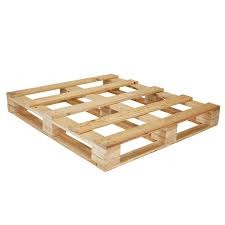
The Average Weight of a Wooden Pallet – Everything You Need to Know
Whether you’re a warehouse manager, a small‑business owner, or just someone who’s ever tried to lift a pallet of boxes, you’ve probably asked yourself, “How much does a wooden pallet actually weigh?” The answer isn’t as simple as a single number because a pallet’s weight depends on a variety of factors—size, wood species, construction style, and even regional standards. In this post you’ll get a clear, data‑driven picture of pallet weights, learn how to estimate the weight of a loaded pallet, and discover practical tips for handling and budgeting.
1. Why Knowing Pallet Weight Matters
| Situation | Why Pallet Weight Is Critical |
|---|---|
| Shipping & Freight Costs | Carriers charge by weight (and volume). An extra 10 kg can change a rate class. |
| Load Planning | Overloading a forklift or a truck can cause safety incidents and equipment damage. |
| Inventory Management | Accurate weight data help you calculate total stock value and optimize storage space. |
| Regulatory Compliance | Certain industries (e.g., aerospace, pharma) require documented pallet specifications. |
If you ignore pallet weight, you risk paying more for transport, damaging equipment, or even violating safety regulations.
2. The Most Common Wooden Pallet Sizes
In North America the two “standard” dimensions dominate the market, while Europe has its own set of standards. Below is a quick reference table that shows the dimensions most frequently encountered and their typical empty weight ranges.
| Region | Pallet Size (L × W) | Typical Empty Weight (kg) | Typical Empty Weight (lb) |
|---|---|---|---|
| North America | 48 × 40 in (1219 × 1016 mm) – Standard GMA | 12 – 25 | 26 – 55 |
| North America | 48 × 48 in (1219 × 1219 mm) – Warehouse | 15 – 30 | 33 – 66 |
| Europe | 1200 × 800 mm (EUR) | 16 – 30 | 35 – 66 |
| Europe | 1200 × 1000 mm (EUR) | 20 – 35 | 44 – 77 |
| Custom / Heavy‑Duty | 48 × 40 in, 3‑ply, hardwood | 30 – 45 | 66 – 99 |
Note: The ranges reflect variations in wood species (softwood vs. hardwood), number of stringers, and whether the pallet is a block or a stringer design.
3. What Determines a Pallet’s Empty Weight?
3.1 Wood Species
| Species | Typical Density (kg/m³) | Influence on Pallet Weight |
|---|---|---|
| Softwood (e.g., pine, spruce) | 350 – 500 | Lightest; most common in GMA pallets. |
| Hardwood (e.g., oak, maple) | 600 – 900 | Heavier; used for high‑load or export pallets. |
| Engineered wood (e.g., plywood, OSB) | 450 – 650 | Mid‑range weight; often used for pallet tops. |
If you’re buying pallets from a supplier that lists “hardwood block pallets,” expect the weight to be on the higher end of the range.
3.2 Construction Type
| Construction | Description | Typical Weight Impact |
|---|---|---|
| Stringer Pallet | Two or three parallel wooden beams (stringers) run the length; deck boards are nailed on top. | 10 % – 20 % lighter than block pallets of the same size. |
| Block Pallet | Four or nine solid wood blocks support the deck; allows forklift entry from any side. | 15 % – 30 % heavier but stronger. |
| Narrow‑Base (Re‑pallets) | Reduced deck width; used for returns. | Up to 25 % lighter than standard pallets. |
3.3 Number of Deck Boards & Thickness
- Standard deck: 5 – 7 boards, each 0.75 in (19 mm) thick.
- Heavy‑duty deck: 8 + boards, each 1 in (25 mm) thick.
Every additional board adds roughly 0.8 kg (1.8 lb) per board per pallet.
3.4 Treatment & Finishes
- Heat‑treated (HT) pallets (required for international shipments) may weigh 1 – 2 kg more due to moisture loss during the process.
- Kiln‑dried pallets are often lighter because they have less internal moisture.
4. Calculating the Weight of a Loaded Pallet
Knowing the empty weight is only half the story. When you stack cartons, drums, or bulk goods on a pallet, you need to consider the gross weight (pallet + load). Here’s a simple formula you can use:
Gross Weight (kg) = Empty Pallet Weight (kg) + Sum of All Load Items (kg)
Example
You have a standard 48 × 40 in soft‑wood GMA pallet that weighs 15 kg. You load:
| Item | Quantity | Unit Weight (kg) | Total Weight (kg) |
|---|---|---|---|
| Cardboard box (30 × 30 × 30 cm) | 30 | 0.6 | 18 |
| Small appliance (single) | 1 | 7.5 | 7.5 |
| TOTAL LOAD | – | – | 25.5 |
Gross weight = 15 kg (pallet) + 25.5 kg (load) = 40.5 kg (≈ 89 lb)
When shipping, you would round up to the nearest whole kilogram or pound, depending on the carrier’s policy.
5. Real‑World Weight Benchmarks
Below are real‑world weight observations collected from three major industries. These numbers help you benchmark your own pallets.
| Industry | Typical Pallet Size | Empty Weight (kg) | Typical Loaded Weight (kg) | Load per Pallet (kg) |
|---|---|---|---|---|
| Food & Beverage (canned goods) | 48 × 40 in | 13 | 180 | 167 |
| Automotive Parts | 48 × 48 in, hardwood block | 28 | 250 | 222 |
| E‑Commerce (mixed cartons) | 48 × 40 in | 15 | 95 | 80 |
Takeaway: In most high‑volume environments the load dominates the pallet’s weight. However, for lightweight items (e.g., electronics packaging) the pallet itself can represent 15 %–20 % of the total weight.
6. Practical Tips for Managing Pallet Weight
- Ask for a “Weight Certificate” – Reputable pallet suppliers will provide a spec sheet that lists the exact empty weight.
- Use a Portable Scale – For high‑precision operations (pharma, aerospace), a floor scale or pallet jack scale gives you the exact gross weight.
- Standardize Pallet Types – Reducing the variety of pallet sizes in your warehouse simplifies weight calculations and forklift load planning.
- Consider Pallet Return Programs – If you’re paying for pallets that you’ll later return, weigh them when you receive them to avoid “ghost weight” errors in inventory.
- Factor Moisture Content – Wood expands and gains weight when it absorbs moisture. Store pallets in a dry environment to keep weight consistent.
7. Frequently Asked Questions (FAQ)
| Question | Answer |
|---|---|
| What is the average weight of a standard 48 × 40 in GMA pallet? | Typically 12 – 25 kg (26 – 55 lb). The most common figure cited by North American suppliers is 15 kg (33 lb). |
| Do heat‑treated pallets weigh more or less than untreated ones? | Slightly more. The heat‑treatment process removes moisture, but the added kiln‑drying and extra surface coating often add 1 – 2 kg. |
| Can I reuse pallets indefinitely without affecting weight? | Reusing pallets is cost‑effective, but each cycle can cause wear, cracks, and moisture absorption. After 5‑7 cycles you may see a 5 %‑10 % increase in weight due to added water and repair material. |
| How do I calculate the maximum load a pallet can safely carry? | Consult the pallet’s load rating—often stated as “maximum static load” (e.g., 1,000 kg). Ensure the gross weight (pallet + load) does not exceed this rating, and keep the center of gravity within the pallet’s footprint. |
| Are Euro pallets heavier than GMA pallets? | Generally, yes. A standard 1200 × 800 mm EUR pallet weighs 16 – 30 kg, while a 48 × 40 in GMA pallet is 12 – 25 kg. The difference stems from stricter European construction standards and the frequent use of hardwood. |
| What’s the best way to reduce pallet weight without sacrificing strength? | Choose soft‑wood block pallets, use engineered wood for the deck, and opt for heat‑treated rather than kiln‑dried pallets when possible. |
| Do plastic pallets weigh less than wood? | Yes. A typical plastic pallet of the same dimensions weighs 10 – 15 kg, which can be 30 %‑50 % lighter than a comparable wood pallet. However, plastic pallets are more expensive and may not be accepted in all supply chains. |
| How does pallet weight impact freight class? | In the U.S., freight class is determined partly by density (weight ÷ volume). A heavier pallet can lower the density, potentially moving the shipment into a higher (more expensive) class. Accurate weight data lets you negotiate the most economical class. |
| Is there a universal “average pallet weight” you can quote to carriers? | No single universal figure exists because of regional size differences. Provide the specific dimensions and material of each pallet for the most accurate quote. |
| Can I weigh a pallet without a scale? | You can estimate by counting the number of deck boards, stringers, and blocks and using the tables above, but for billing or compliance, a certified scale is required. |
8. Bottom Line – What You Should Remember
- Standard 48 × 40 in soft‑wood GMA pallets weigh 12‑25 kg; most operators see around 15 kg.
- European EUR pallets are a bit heavier (16‑30 kg) due to tighter construction standards.
- Construction type, wood species, and treatment are the biggest weight drivers.
- Always add the load weight to get the gross pallet weight, which is the figure carriers, forklifts, and safety regulations care about.
- Keep accurate weight records (via scales or supplier certificates) to avoid unexpected freight costs and to maintain a safe work environment.
Now that you have a solid grasp of pallet weights, you can make smarter decisions when ordering, storing, and shipping goods. The next time you see a stack of wooden pallets, you’ll know exactly how much they weigh—and why that number matters. Happy pallet‑handling!