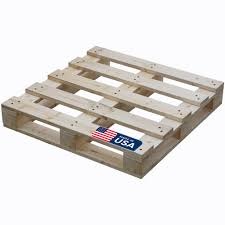
Can Wooden Pallets Be Recycled? Everything You Need to Know
If you’ve ever walked through a warehouse, loaded a truck, or even assembled a DIY bookshelf, you’ve probably spotted those sturdy, rectangular platforms made of wood. Wooden pallets are the unsung workhorses of the supply chain, moving everything from fresh produce to heavy machinery. But once they’re no longer fit for shipping, what happens to them?
The short answer is: yes, wooden pallets can be recycled, and they’re actually some of the most recyclable items in the logistics world. In the sections that follow, you’ll discover how the recycling process works, why it matters for the planet (and your bottom line), and the practical steps you can take to give your pallets a second life.
Why Recycling Wooden Pallets Matters
| Impact Area | Traditional Disposal (Landfill/Incineration) | Pallet Recycling |
|---|---|---|
| Carbon Emission | 0.5 t CO₂ per 1,000 kg of wood (decomposition, methane) | Up to 0.2 t CO₂ saved per 1,000 kg (reused wood) |
| Landfill Space | ~1 m³ of wood occupies ~0.8 m³ of landfill | Reduces landfill volume by 75 % |
| Resource Use | New lumber required for replacement | Conserves 70 % of original timber |
| Economic Value | $0 (cost of disposal) | $150‑$300 per 1,000 lb pallet in resale or material credit |
Numbers are averages from industry reports (2023‑2024).
Recycling wooden pallets does more than keep a few boards out of the dump. It cuts greenhouse‑gas emissions, frees up valuable landfill space, and preserves precious forest resources. For businesses, it can also turn a waste stream into a revenue source.
The Life Cycle of a Wooden Pallet
- Manufacture – Most pallets are made from softwoods such as pine, spruce, or fir. They’re built to a standard size (48 × 40 in. in North America) and often treated with heat (HT) or chemicals (MCA, DBP) to meet phytosanitary regulations.
- Use Phase – The pallet travels from manufacturer to shipper, to carrier, to retailer, and finally to the end‑user. On average, a wooden pallet endures 8‑12 trips before it shows signs of wear.
- End‑of‑Life Decision
- Repair/Refurbish – If the deck boards or stringers are still sound, you can have the pallet repaired and sent back into the supply chain.
- Recycle – Damaged pallets that can’t be repaired are broken down into component parts (deck boards, nails, glue) and turned into new products.
- Energy Recovery – In some regions, treated pallets are burned in waste‑to‑energy plants (subject to strict emissions rules).
How Wooden Pallet Recycling Works
1. Collection & Sorting
Your first step is to separate pallets from other waste streams. Many logistics firms partner with third‑party recyclers who provide on‑site collection bins. It’s essential to sort by treatment type:
| Treatment | Recycling Compatibility | Typical Destination |
|---|---|---|
| Heat‑Treated (HT) | Fully recyclable (no chemical residues) | Re‑manufacturing, lumber market |
| Methyl‑Bromide (MB) Treated | Limited – must be incinerated or sent to specialized facilities | Energy recovery |
| Untreated/DIY Pallets | Recyclable, but may contain nails or glue | Re‑use, lumber, composite panels |
2. Dismantling
At the recycling facility, pallets go through a de‑nailing and shredding line:
- Conveyor belts feed pallets into a de‑nailing machine that removes most nails, which are later magnetically separated.
- The remaining wood is shredded into chips (typically 1‑2 in. pieces).
3. Processing the Wood Chips
The chips can be diverted into several product streams:
| Product | Typical Use | Added Value |
|---|---|---|
| Pallet Lumber | Re‑manufactured pallets, pallets for export | Saves up to 60 % of raw timber |
| Engineered Wood Panels (OSB, particleboard) | Construction, furniture | Provides a renewable raw material |
| Animal Bedding | Stables, poultry houses | Low‑cost, absorbent material |
| Biomass Fuel | Industrial boilers, power plants | Generates renewable energy |
4. Final Output & Certification
Many recyclers offer certificates of recycling that detail the weight of wood processed, the end‑product, and the carbon savings. If you’re a business looking to report on ESG (environmental, social, governance) metrics, these documents become valuable proof points.
What You Can Do – A Step‑by‑Step Guide
- Audit Your Pallet Inventory
- Count how many pallets you receive each month.
- Note their condition (repairable vs. unrecoverable).
- Identify a Local Recycler
- Search for “wood pallet recycler + [your city]”.
- Verify their treatment‑type capability (e.g., HT vs. MB).
- Set Up Collection Points
- Use sturdy, labeled bins that keep pallets off the ground to avoid moisture damage.
- Provide simple signage: “Recyclable Pallets – Do Not Throw in Trash”.
- Train Staff
- Show employees how to separate pallets from cardboard, plastic stretch wrap, and broken pallets.
- Emphasize safety—remove loose nails before moving pallets.
- Schedule Regular Pick‑Ups
- Most recyclers will arrange weekly or bi‑weekly pickups; negotiate a frequency that matches your waste generation.
- Leverage the Credits
- Many municipalities offer recycling rebates or tax credits for wood waste.
- Use the recycling certificate to claim carbon offset credits if your company has a sustainability program.
Economic Benefits: Turning Waste Into Revenue
You might think recycling is just a cost, but it can actually generate income. Below is a simplified cost‑benefit model for a mid‑size distribution center that processes 5,000 pallets per year.
| Item | Cost / Revenue | Annual Total |
|---|---|---|
| Collection bins & signage | $250 (one‑time) | $250 |
| Pick‑up service (per pallet) | $0.08 | $400 |
| Revenue from recycled lumber (per pallet) | $0.30 | $1,500 |
| Carbon credit (estimated per pallet) | $0.05 | $250 |
| Net gain | — | $1,100 |
The model assumes a 70 % recovery rate and average market prices for reclaimed lumber.
Even a modest recovery rate can swing the balance from a cost center to a profit‑center.
Frequently Asked Questions
Q1: Are all wooden pallets recyclable, even those treated with chemicals?
A: Most pallets can be recycled, but the treatment matters. Heat‑treated (HT) pallets are fully recyclable. Pallets treated with methyl bromide (MB) or chlorinated solvents often have to be sent to specialized facilities for safe disposal or energy recovery due to residual chemicals.
Q2: What happens to the nails and metal fasteners?
A: During de‑nailing, magnetic separators pull the bulk of the metal out of the wood stream. The collected nails are then melted and repurposed as scrap metal.
Q3: Can I use recycled pallet wood for DIY projects at home?
A: Absolutely! Once the wood has been cleaned and, if necessary, sanded, it can be used for furniture, garden beds, or decorative paneling. Just be aware of any treatment markings—if the pallet is HT‑treated, it’s safe for most indoor uses.
Q4: How do I know if a pallet is heat‑treated or chemically treated?
A: Look for a stamp on the pallet’s side. HT pallets usually carry the “HT” or “Heat Treated” label, while chemically treated pallets may have “MB”, “MCA”, or a “DOT” number indicating compliance with the Department of Transportation.
Q5: Is there any advantage to repairing pallets instead of recycling them?
A: Repairing extends the pallet’s service life and eliminates the need for additional processing energy. If the deck boards and stringers are still solid, a simple repair (replacing broken boards, tightening or replacing nails) can add another 3‑5 trips to the pallet’s life cycle, which is often the most resource‑efficient option.
Q6: What are the environmental impacts of incinerating pallets?
A: Incineration releases CO₂ and, if the pallets are chemically treated, potentially hazardous pollutants. While modern waste‑to‑energy plants have emission controls, the carbon intensity is generally higher than recycling, making recycling the preferred option whenever feasible.
Q7: Do I need any permits to recycle pallets on my premises?
A: In most jurisdictions, on‑site storage of recyclable pallets does not require a permit. However, if you plan to process pallets (e.g., de‑nailing or shredding) in-house, you’ll need to comply with local occupational safety and environmental regulations, which may include a waste‑handling permit.
Common Myths About Pallet Recycling
| Myth | Reality |
|---|---|
| “Recycling pallets is more expensive than throwing them away.” | While collection and transport have costs, the revenue from reclaimed lumber and carbon credits often outweighs disposal fees, especially where landfill tipping fees are high. |
| “You can’t recycle pallets that have been painted or stained.” | Paint does not prevent recycling; the wood is still usable for engineered panels or biomass. However, heavily coated pallets may be directed toward energy recovery. |
| “All pallets are the same, so one recycling method works for all.” | Treatment, wood species, and construction style (block vs. stringer) affect the end‑product options. A proper sort‑by‑type improves the value of the recycled material. |
Takeaway: A Simple Action Plan
- Identify which pallets you receive (treatment, condition).
- Separate the repairable from the unrecoverable.
- Partner with a reputable recycler that can handle your pallet type.
- Document the recycling flow with certificates to support sustainability reporting.
- Reinvest the savings or revenue into further circular‑economy initiatives (e.g., reusable packaging, electric delivery fleets).
By turning a routine shipping component into a resource, you close the loop on a material that would otherwise sit in a landfill for decades. The next time you see a stack of wooden pallets, remember: they’re not just a means to move goods—they’re a valuable raw material waiting for a second act.
Quick Reference Checklist
- Label all pallets with treatment codes (HT, MB, etc.).
- Set up clearly marked recycling bins near loading docks.
- Train staff on safe handling and de‑nailing basics.
- Schedule pick‑up with a certified recycler.
- Collect recycling certificates for ESG reporting.
Your commitment to pallet recycling not only reduces waste but also strengthens your brand’s sustainability story. Ready to make the shift? Start with a simple inventory today, and watch the benefits stack up—one pallet at a time.