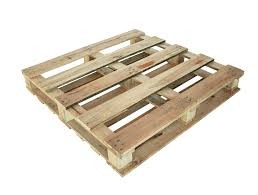
DIY Wooden Pallet Crate for Your Pet – An Easy, Step‑by‑Step Guide
If you’ve ever dreamed of giving your furry friend a stylish, sturdy hide‑away that you built with your own hands, a pallet‑made crate is the perfect project. Pallet wood is inexpensive, abundant, and surprisingly durable when treated correctly. In this guide you’ll learn exactly how to turn a few reclaimed pallets into a safe, comfortable crate—all without needing a workshop full of high‑tech equipment.
Why a Pallet Crate Is a Smart Choice
| Benefit | What It Means for You and Your Pet |
|---|---|
| Low Cost | A single pallet can be found for free or a few dollars at hardware stores, making the whole crate cheap to build. |
| Eco‑Friendly | Reusing pallets keeps wood out of landfills and reduces the demand for new lumber. |
| Customizable | You decide the dimensions, style, and finish—tailoring it perfectly to your pet’s size and your décor. |
| Sturdy | Pallet slats are designed to hold heavy loads, so the crate can withstand even the most enthusiastic chewers. |
| Portable | With a few simple hinges or handles, you can move the crate from room to room or even take it on trips. |
All of these reasons add up to a win‑win: you save money and the planet, while your pet gets a cozy retreat that looks great in any room.
1. Gather Your Materials & Tools
Below is a quick reference table you can print out and check off as you gather everything.
| Category | Item | Quantity | Notes |
|---|---|---|---|
| Wood | Reclaimed pallets (standard 48″x40″) | 2–3 pallets (depending on size) | Look for pallets in good condition, free of rot, cracks, or heavy chemical stains. |
| Fasteners | 2‑inch wood screws (coarse thread) | 1‑box (approx. 250 pcs) | Stainless steel or coated to resist rust. |
| Hardware | Corner brackets (optional) | 8 | Adds extra rigidity. |
| Finishes | Pet‑safe exterior paint or non‑toxic sealant | 1 can (½ L) | Water‑based, low VOC recommended. |
| Safety | Sandpaper (80‑grit, 120‑grit) | 2 sheets | For smoothing rough edges. |
| Tools | Circular saw or handsaw | 1 | For cutting pallets to size. |
| Drill with screwdriver bit | 1 | For pre‑drilling and driving screws. | |
| Measuring tape & carpenter’s square | 1 each | Accuracy matters! | |
| Clamps (C‑clamp or bar clamp) | 4–6 | Holds pieces while you screw them together. | |
| Safety gear (gloves, goggles, dust mask) | 1 set | Always wear protection when cutting or sanding. |
Pro tip: If you don’t have a circular saw, a handsaw works fine for the simple straight cuts required. Just take your time and keep the cut line straight using a carpenter’s square.
2. Plan the Dimensions
First, measure your pet while it’s standing. Add a few inches to each dimension for comfort and growth (especially for growing puppies or kittens). Below is a handy sizing chart.
| Pet Type | Length (L) – Inside | Width (W) – Inside | Height (H) – Inside |
|---|---|---|---|
| Small dog (e.g., Chihuahua) | 30 cm (12 in) | 25 cm (10 in) | 30 cm (12 in) |
| Medium dog (e.g., Beagle) | 45 cm (18 in) | 35 cm (14 in) | 45 cm (18 in) |
| Large dog (e.g., Labrador) | 65 cm (26 in) | 55 cm (22 in) | 65 cm (26 in) |
| Cat | 40 cm (16 in) | 30 cm (12 in) | 35 cm (14 in) |
How to use the chart:
- Choose the row that matches your pet’s size.
- Add 5 cm (2 in) to each measurement to allow room for a blanket or toy.
- Translate those interior dimensions into the exterior size of the pallet pieces, remembering that each pallet slat is roughly 1.2 cm (½ in) thick.
3. Step‑by‑Step Build Instructions
Below is a concise, yet thorough, walkthrough. Follow each step in order; you’ll have a finished crate in under an hour of active work (plus drying time for the finish).
Step 1 – Disassemble the Pallets
- Safety first: Wear gloves and eye protection.
- Use a pry bar or a hammer to remove the pallet boards. Keep the boards as long as possible; you’ll need a few full‑length pieces for the sides and base.
Step 2 – Sort & Trim the Boards
- Discard any boards that are cracked, splintered, or excessively warped.
- Using your saw, cut the boards to the lengths dictated by your size chart (see the table above).
- Mark a 1‑cm (⅜‑in) “offset” on the inside edges so you don’t end up with a crate that’s too tight.
| Cut List – Example (Medium Dog) |
|---|
| Base: 2 × 45 cm (18 in) × 35 cm (14 in) (full‑width boards) |
| Sides (Length): 2 × 45 cm (18 in) × 5 cm (2 in) (vertical slats) |
| Sides (Width): 2 × 35 cm (14 in) × 5 cm (2 in) |
| Top (optional): 1 × 45 cm × 35 cm (for a lid) |
Step 3 – Sand Everything
- Start with 80‑grit sandpaper to knock down splinters, then finish with 120‑grit for a smooth surface.
- Pay special attention to the interior corners where your pet will rest. A smooth finish prevents paw injuries and discourages chewing.
Step 4 – Assemble the Base
- Lay the two base boards perpendicular to each other, forming a rectangle.
- Pre‑drill pilot holes (about 5 mm / ¼ in) to avoid splitting the wood.
- Secure with 2‑inch wood screws, spacing them about 10 cm (4 in) apart.
Step 5 – Attach the Side Walls
- Stand the side boards upright along the edges of the base.
- Use corner brackets (if you have them) on each interior corner for extra strength.
- Drive screws through the base into the side boards, again pre‑drilling.
Step 6 – Add a Back Panel (Optional)
If you want a fully enclosed crate, cut a back panel that matches the interior height and width, then attach it with screws or brackets.
Step 7 – Install a Door or Opening
- Simple “door”: Cut a rectangular opening on one side, roughly 1/3 the height of the crate.
- Attach a small latch (e.g., a magnetic catch) and a hinge‑mounted flap made from thin pallet wood.
- No door: For a more open design, simply leave a gap for easy entry/exit.
Step 8 – Finish the Surface
- Apply a thin coat of pet‑safe paint or sealant.
- Follow the manufacturer’s drying time (usually 2–4 hours).
- Add a second coat if the wood looks uneven.
Step 9 – Add Comfort Extras
- Place a washable cushion or a piece of fleece on the floor of the crate.
- Add a small water bowl and a favorite toy to make the space inviting.
4. Safety Checklist
| Potential Issue | How to Avoid It |
|---|---|
| Sharp splinters | Sand all surfaces, especially interior edges, to a smooth finish. |
| Loose screws | Tighten all fasteners after the first 24 hours of use; wood can settle. |
| Toxic finishes | Use low‑VOC, water‑based paints labelled “pet‑safe.” Avoid oil‑based stains. |
| Chemical residue from pallets | Choose pallets marked “HT” (heat‑treated) rather than “MB” (methyl bromide) which can contain harmful chemicals. |
| Heavy doors | If you add a hinged door, attach it with lightweight hinges and a soft‑close latch to prevent it slamming shut. |
5. Customization Ideas
- Stenciled Name Plate – Paint your pet’s name on the side with a stencil for a personal touch.
- Built‑in Ladder – Attach a short wooden “ladder” to the side for cats who love to climb.
- Hidden Storage – Build a shallow drawer under the base for treats or bedding.
- Portable Wheels – Swap one side’s bottom board for a set of small caster wheels; perfect for travel.
6. Cost Breakdown (Approx.)
| Item | Average Price | Quantity | Subtotal |
|---|---|---|---|
| Reclaimed pallets | $0–$2 (free) | 2 | $0 |
| Stainless‑steel screws | $5 | 1 box | $5 |
| Corner brackets | $3 | 8 | $3 |
| Pet‑safe paint | $7 | 1 can | $7 |
| Sandpaper | $2 | 2 sheets | $2 |
| Safety gear (gloves, mask) | $8 | 1 set | $8 |
| Total Estimated Cost | ≈ $25 |
Even if you need to buy a few items, the total remains modest compared with a store‑bought wooden crate, which can easily exceed $80.
7. Maintaining Your Pallet Crate
- Weekly cleaning: Wipe the interior with a damp cloth and mild pet‑safe soap.
- Monthly inspection: Check for loose screws, splinters, or signs of wear. Tighten or sand as needed.
- Seasonal refresh: Reapply a thin coat of sealant every 6–12 months to protect against humidity and chewing.
Frequently Asked Questions
Q1: Are pallet crates safe for all pets?
A: Yes, provided you choose heat‑treated pallets (marked “HT”) and finish the wood with a non‑toxic sealant. Avoid pallets that have been chemically treated (e.g., marked “MB”).
Q2: My dog is a heavy chewer—will the crate hold up?
A: Pallet slats are built to carry heavy loads (often up to 500 lb). Reinforce the corners with brackets and use extra‑long screws for added durability.
Q3: Can I make a crate for a rabbit or guinea pig?
A: Absolutely! Just reduce the dimensions accordingly and consider a finer floor slat spacing to prevent escape.
Q4: Do I need a power drill?
A: A manual screwdriver works, but a drill with a screwdriver bit speeds up the process dramatically and helps you pre‑drill pilot holes.
Q5: How long does the paint need to dry before my pet can use the crate?
A: Follow the manufacturer’s instructions—most water‑based paints are safe after 2 hours, but give it 24 hours for full cure to avoid any off‑gassing.
Q6: What if I want a fully enclosed crate with a removable lid?
A: Cut a top panel to match the base dimensions, attach it with hinges on one side, and secure a latch on the opposite side.
Q7: Can I reuse the same crate for different pets later?
A: Yes! The crate’s modular design lets you swap side panels or adjust the interior height with additional slats.
8. Final Thoughts
Building a DIY wooden pallet crate is more than a weekend craft—it’s an opportunity to give your pet a safe, personalized sanctuary while practicing sustainable living. You’ll enjoy the satisfaction of creating something with your own hands, and your pet will love the cozy nook you’ve fashioned.
Grab a few pallets, a screwdriver, and a dash of creativity. Within a few hours you’ll have a stylish, sturdy crate that will become a beloved part of your home. Happy building, and may your four‑legged companion relish every moment spent inside your handiwork!