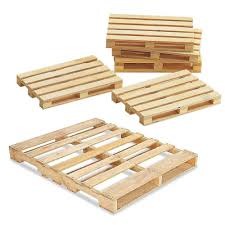
DIY Wooden Pallet Day Bed: A Step‑by‑Step Guide for a Chic Outdoor Oasis
If you’ve ever dreamed of lounging in a stylish, budget‑friendly retreat without splurging on a store‑bought day bed, a wooden pallet day bed is the perfect solution. Pallets are abundant, inexpensive, and surprisingly versatile. In this guide you’ll learn how to transform ordinary shipping pallets into a comfortable, weather‑resistant day bed that you can enjoy all summer long.
Below you’ll find a complete material list, a visual layout of the build, detailed instructions, and a handy FAQ to troubleshoot any hiccups along the way. Grab your tools, roll up your sleeves, and let’s get building!
Why Choose a Pallet Day Bed?
| Benefit | What It Means for You |
|---|---|
| Cost‑Effective | Pallets can be free (often left by stores) or cost as little as $5–$10 each. |
| Eco‑Friendly | Repurposing pallets reduces waste and gives new life to reclaimed wood. |
| Customizable | You decide the size, finish, cushions, and accessories. |
| Quick Assembly | With basic tools, the entire project can be completed in 1–2 days. |
| Portable | Light enough to move around your garden, patio, or balcony. |
Planning Your Day Bed
1. Choose the Right Pallets
- Condition: Look for pallets that are dry, unbroken, and free of chemicals (avoid those stamped with “HT” – heat‑treated – if you plan to sand heavily).
- Size: Standard 48” × 40” pallets work well for a single‑person day bed. For a larger, double‑wide version, combine two side‑by‑side.
2. Decide on Dimensions
| Configuration | Pallet Count | Approx. External Dimensions* | Recommended Use |
|---|---|---|---|
| Single (Solo) Day Bed | 2 (bottom) + 2 (head/foot) = 4 | 48” L × 40” W × 15” H | Small balcony, garden nook |
| Double (Couple) Day Bed | 4 (bottom) + 4 (head/foot) = 8 | 96” L × 40” W × 15” H | Larger patio, poolside |
| L‑Shaped Lounge | 6 (bottom) + 4 (head/foot) = 10 | 48” L × 80” W × 15” H | Corner spaces, family area |
*Height includes the top mattress platform plus a 2–3” cushion.
Pick a layout that fits the space you have and the number of people you want to accommodate.
3. Sketch a Simple Blueprint
A quick hand‑drawn plan helps you visualize the final shape, locate the support beams, and decide where to place the headboard or side railings.
Materials & Tools
Below is a ready‑to‑copy table of everything you’ll need. Feel free to adjust quantities based on your chosen configuration.
| Category | Item | Quantity (for single bed) | Approx. Cost (USD) |
|---|---|---|---|
| Pallets | 48”×40” shipping pallets (dry, untreated) | 4 | $0–$40 (often free) |
| Hardware | 2½” x 3” deck screws (galvanized) | 1 box (200 pcs) | $8 |
| 1½” x 3” wood screws (for railings) | 1 box (100 pcs) | $5 | |
| 3” wood glue | 1 bottle | $6 | |
| Corner brackets (metal) | 8 | $10 | |
| Wood Finish | Exterior wood stain or paint | 1 quart | $12 |
| Clear marine‑grade polyurethane | 1 quart | $15 | |
| Cushion | Outdoor foam (2” thick, 48×40) | 1 piece | $25 |
| Outdoor fabric (water‑resistant) | 1 yard | $20 | |
| Tools | Circular saw or handsaw | – | (assume you own) |
| Power drill & driver bits | – | (assume you own) | |
| Sandpaper (80–120 grit) | 2 packs | $6 | |
| Measuring tape, level, pencil | – | (assume you own) | |
| Optional Extras | 4‑leg wooden legs (4” tall) | 4 | $20 |
| LED strip lights (water‑proof) | 1 roll | $18 | |
| Total (approx.) | – | – | $150–$200 (most of which is reusable) |
Note: If you already have some of the tools or hardware, your out‑of‑pocket cost drops dramatically.
Step‑by‑Step Construction
Step 1 – Clean & Inspect the Pallets
- Remove all nails using a hammer and a nail puller.
- Sand the surfaces lightly to eliminate splinters and rough patches.
- Wipe down with a damp cloth; let dry completely.
Tip: If you notice any rot or warped boards, replace those sections before proceeding.
Step 2 – Build the Base Platform
- Lay two pallets side‑by‑side on the floor; they will become the sleeping surface.
- Secure them together with 2½” deck screws through the tongue and groove edges (four screws per intersection).
- Add support beams (2×4s) across the width, positioned 12” from each end. Screw them into the pallet frames for extra rigidity.
Step 3 – Construct the Headboard & Footboard
- Stand a pallet upright at each end of the base. These will act as head and foot rails.
- Attach a 2×4 cross‑piece across the top of each upright pallet for a smooth backrest.
- Reinforce corners with metal brackets and screws for stability.
Step 4 – (Optional) Install Legs
If you want a raised look or better airflow underneath:
- Attach four 4” wooden legs to the underside corners of the base using 3” wood screws.
- Add diagonal braces between legs for extra support.
Step 5 – Finish the Wood
- Apply a coat of exterior stain (or paint) following the grain. Use a brush or roller, allowing 30 minutes to dry.
- Sand lightly between coats for an even finish.
- Seal with marine‑grade polyurethane (two coats) to protect against rain and UV rays.
Safety Note: Work in a well‑ventilated area and wear a mask when sanding or painting.
Step 6 – Make the Cushion
- Cut the outdoor foam to match the top dimensions (48” × 40”).
- Wrap the foam with your chosen outdoor fabric, securing it with a staple gun on the underside.
- Place a pillow or two for added comfort.
Step 7 – Add the Finishing Touches
- Attach LED strip lights under the headboard for a cozy glow.
- Place a small side table (another pallet) nearby for books or drinks.
- Add a weather‑proof throw for extra style during cooler evenings.
Congratulations—your DIY pallet day bed is ready! Slip in the cushion, stretch out, and enjoy the fruits of your labor.
Maintenance Checklist
| Frequency | Task | Why It Matters |
|---|---|---|
| Weekly | Dust and wipe the cushion fabric | Prevents mildew and keeps it fresh. |
| Monthly | Inspect for loose screws or nails | Ensures structural safety. |
| Seasonally | Reapply a thin coat of polyurethane | Maintains water resistance. |
| Annually | Rotate the cushion (if reversible) | Extends foam life and prevents sagging. |
Frequently Asked Questions (FAQ)
| Question | Answer |
|---|---|
| Can I use pallet wood that’s been heat‑treated (HT)? | Yes, heat‑treated pallets are safe for indoor use and have no chemical residue. However, they can be harder to sand, so you may need a power sander. |
| Do I need to treat the wood for pests? | If the pallets are brand‑new or have been stored indoors, pest treatment is rarely required. For older pallets, a light spray of boric acid solution can deter termites. |
| What’s the best way to waterproof the cushion? | Choose a fabric labeled “outdoor” or “marine‑grade.” These have UV inhibitors and water‑repellent finishes. Adding a spray‑on fabric protector adds extra shield. |
| Can I build a double‑wide version on a small balcony? | Measure your balcony first. A double bed (96” long) may exceed typical balcony depths. If space is tight, consider a half‑size day bed (48” long) and a separate pallet lounge chair. |
| How do I secure the day bed to the ground in windy areas? | Install L‑shaped brackets on the underside of the base and anchor them to concrete pads or a wooden deck with masonry screws. |
| Is it okay to leave the pallet day bed outdoors year‑round? | With a proper seal (polyurethane) and a protective canopy or storage during harsh weather, the structure can last 3–5 years. In extreme climates, consider storing it indoors during winter. |
| Can I replace the pallet wood with reclaimed barn wood? | Absolutely! Barn wood adds character but may be heavier and require stronger support beams. Adjust the hardware accordingly. |
| What if I don’t have a power drill? | A hand screwdriver can work for the few screws, but it will be more time‑consuming. Borrowing a drill from a neighbor or renting one from a hardware store is a good alternative. |
| Do the pallets need to be sanded before staining? | Sanding removes splinters and creates a smoother surface for the stain to adhere. Even a light 80‑grit sand will improve the final finish. |
| How thick should the cushion be for optimal comfort? | A 2‑inch high-density foam works well for most adults. For extra plushness, layer a 1‑inch softer foam on top of the firmer base. |
Final Thoughts
Building a pallet day bed is more than a weekend DIY project; it’s a chance to personalize your outdoor sanctuary while practicing sustainable design. By reusing pallets, you reduce waste, save money, and create a unique piece that reflects your style.
Remember, the key to a successful build is planning—measure your space, select the right pallets, and follow each step methodically. And when you finally sink into that freshly made cushion under the afternoon sun, you’ll know every screw, brushstroke, and sanded board was worth it.
Ready to get started? Gather your pallets, pull out your toolbox, and let the transformation begin. Happy building!