DIY Wooden Pallet Dresser: A Step‑by‑Step Guide for a Chic, Budget‑Friendly Bedroom Upgrade
If you’ve ever walked past a stack of discarded pallets and imagined them turning into something beautiful, you’re not alone. Pallet furniture has become a staple of the DIY community because the wood is cheap (often free), sturdy, and full of rustic character. In this post you’ll learn how to transform a few humble wooden pallets into a stylish, functional dresser that will hold all of your clothes, accessories, and keepsakes—without breaking the bank.
Quick takeaway:
Total time: 6–9 hours (including sanding & finishing
Cost: $30–$80 depending on paint, hardware, and whether you need to buy pallets
Skill level: Beginner‑friendly with basic hand tools
Below you’ll find everything you need: a detailed material list, a tools checklist, step‑by‑step instructions, finishing suggestions, and a FAQ that tackles the most common concerns. Grab a cup of coffee, roll up your sleeves, and let’s get building!
1. Why Choose Pallet Wood for a Dresser?
| Benefit | Explanation |
|---|---|
| Affordability | Pallets are often discarded by warehouses, retailers, or construction sites. You can snag them for free or under $5 each. |
| Eco‑friendly | Reusing pallets diverts wood from landfills and reduces the demand for new lumber. |
| Rustic charm | The weathered grain, nail holes, and occasional splinter patterns add instant character. |
| Strength | Pallet boards are designed to hold heavy loads—perfect for a dresser that will bear the weight of clothing. |
| Customizability | Paint, stain, or distress the wood to match any décor style, from industrial loft to farmhouse chic. |
2. Materials & Tools Checklist
2.1. Materials Table
| Item | Qty | Typical Cost | Notes |
|---|---|---|---|
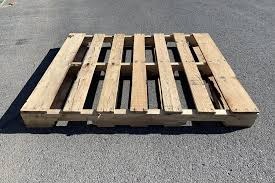
| Standard 48″x40″ wooden pallets (heat‑treated, marked “HT”) | 3 | $0–$15 (free/low‑cost) | Avoid chemically treated pallets (“MB”). |
| 1⁄2″ Plywood (for drawer backs) | 1 sheet (4×8) | $15–$25 | Cut to size; optional if you prefer all‑solid wood. |
| 1‑in. wood screws (flat‑head) | 2 lb box | $5–$8 | Use rust‑free (galvanized or stainless) for durability. |
| Wood glue (Titebond III or similar) | 1 bottle | $5–$8 | Provides extra joint strength. |
| Sandpaper (80, 120, 220 grits) | Assorted | $5 | Optional: use a sanding block or orbital sander. |
| Paint or stain + clear topcoat | As needed | $15–$30 | Choose matte, satin, or glossy finish. |
| Drawer pulls/handles | 4–6 | $8–$20 | Choose metal, wood, or acrylic. |
| Felt pads (for legs) | 4 | $3 | Protect floors and reduce chatter. |
| Wood filler (optional) | Small tub | $4 | To fill nail holes or gaps. |
2.2. Tools Table
| Tool | Purpose | Alternative (if you don’t own it) |
|---|---|---|
| Circular saw or handsaw | Cutting pallets to size | Use a jigsaw for short cuts |
| Power drill + screwdriver bits | Pre‑drilling & driving screws | Manual screwdriver (more effort) |
| Clamps (4‑6) | Holding pieces while glue dries | Rope or heavy books (temporary) |
| Orbital sander or sanding block | Smoothing surfaces | Hand‑sand with sandpaper sheets |
| Measuring tape & carpenter’s square | Accurate measurements | Ruler & straight edge |
| Safety gear (gloves, goggles, dust mask) | Protect yourself | No substitute—essential! |
| Paintbrush/roller or spray gun | Applying finish | Foam brush for small areas |
3. Planning Your Dresser Design
Before you start sawing, decide on the dimensions that work for your bedroom. A typical three‑drawer dresser measures about 36‑38 inches wide, 18‑20 inches deep, and 30‑33 inches tall. Using three pallets (each ~48 × 40 in.) gives you plenty of material to craft a sturdy frame, drawer boxes, and a top surface.
Sketch It Out
- Frame: Two side panels, a top panel, a bottom panel, and a back panel.
- Drawers: Three equal‑height drawers (or a mix of small/large).
- Legs: Simple 2‑inch blocks or hair‑pin legs (optional).
Tip: Keep the design simple—straight lines, no complex joinery—so you can complete the project in a weekend.
4. Step‑by‑Step Build Guide
Step 1 – Acquire & Prepare the Pallets
- Inspect each pallet for damage, rot, or chemicals. Choose only HT pallets.
- Disassemble using a pry bar and a hammer. Remove all nails (pull them out with pliers or a nail puller).
- Sort the boards by length and width. You’ll need longer pieces for the top and sides, shorter pieces for the back and drawer fronts.
Step 2 – Cut the Boards
| Component | Length | Width | Thickness |
|---|---|---|---|
| Side panels (2) | 30 in. | 18 in. | 1 in. |
| Top panel | 36 in. | 18 in. | 1 in. |
| Bottom panel | 36 in. | 18 in. | 1 in. |
| Back panel | 36 in. | 2 in. (strip) | 1 in. |
| Drawer fronts (3) | 12 in. | 18 in. | 0.75 in. |
| Drawer sides (6) | 11 in. | 4 in. | 0.75 in. |
| Drawer backs (3) | 11 in. | 17 in. | 0.5 in. (plywood) |
Measure twice, cut once. Use a circular saw with a fine‑tooth blade to minimize splintering.
Step 3 – Sand Everything
- Start with 80‑grit to smooth rough cuts and nail holes.
- Progress to 120‑grit, then finish with 220‑grit for a silky surface.
- Vacuum the dust and wipe with a tack cloth before moving to glue.
Step 4 – Build the Frame
- Lay the two side panels parallel, top and bottom panels between them, forming a rectangle.
- Apply a thin bead of wood glue along each joint.
- Clamp the assembly tightly and pre‑drill pilot holes (½‑inch spacing) to avoid splitting.
- Drive 1‑in. screws through the side panels into the top & bottom panels (two screws per joint).
- Attach the back strip with glue + screws for extra rigidity.
Step 5 – Construct the Drawers
- Assemble each drawer box: attach the two side pieces to the front and back using glue + screws (again pre‑drill).
- Insert the plywood back panel, securing it with a few brad nails or short wood screws.
- Check that each drawer slides smoothly—if needed, sand the interior faces a little more.
Step 6 – Install Drawer Slides (Optional)
- If you prefer a professional look, install inexpensive metal drawer slides (10‑inch length) on the inside of the frame and the drawer sides.
- Follow the manufacturer’s instructions; usually it’s two screws per side.
Step 7 – Attach the Drawers to the Frame
- Slide each drawer into its compartment.
- Add drawer pulls: measure 2‑3 in. from the edge, drill a ¼‑in. pilot hole, then screw in the hardware.
Step 8 – Finish the Dresser
Option A – Paint (Bold & Modern)
- Prime with a coat of oil‑based primer (helps cover any tannin bleed).
- Apply two coats of latex paint in your chosen color, sanding lightly between coats.
- Seal with a clear matte polyurethane for durability.
Option B – Stain (Warm & Rustic)
- Condition the wood with a pre‑stain conditioner (especially for pine).
- Apply a 2‑coat stain, wiping excess after 10–15 minutes.
- Finish with a satin polyurethane topcoat.
Tip: If you love the “distressed” look, after the first paint/stain coat, lightly sand the edges and corners to reveal the natural wood underneath.
Step 9 – Add Final Touches
- Felt pads under each leg protect hardwood floors.
- Decorative trim (optional): attach a thin reclaimed board along the top edge for a visual accent.
- Clean the surface with a damp cloth and admire your handiwork!
5. Cost Breakdown (Example)
| Item | Qty | Cost |
|---|---|---|
| Pallets (3) | 3 | $0 (free) |
| Screws | 2 lb | $6 |
| Wood glue | 1 bottle | $6 |
| Sandpaper | Assorted | $4 |
| Paint + primer | 1 qt each | $20 |
| Polyurethane | 1 qt | $12 |
| Drawer pulls | 4 | $12 |
| Felt pads | 4 | $3 |
| Total | — | ≈ $63 |
Even if you need to purchase pallets, the overall cost stays under $100—far cheaper than a ready‑made dresser of comparable size.
6. Safety First
| Hazard | Precaution |
|---|---|
| Nail remnants | Wear heavy‑duty gloves; use a nail puller and sand thoroughly. |
| Sawdust inhalation | Use a dust mask (N95 or higher) and work in a well‑ventilated area. |
| Splinters | Sand all surfaces smooth; consider applying a clear topcoat to seal edges. |
| Chemical exposure | Avoid pallets marked “MB” (treated with methyl bromide). Choose “HT” (heat‑treated) only. |
7. Frequently Asked Questions
| Question | Answer |
|---|---|
| Do I need to treat the pallet wood before using it? | If the pallets are marked HT (heat‑treated) they’re safe for indoor furniture. Do a quick wash with mild soap, let them dry, then sand to remove any surface residue. |
| Can I use reclaimed pallets that have a rusty finish? | Yes, but be prepared for extra sanding and possibly a rust‑removing primer if you plan to paint. The rust won’t affect structural integrity. |
| What’s the easiest way to remove all nails without damaging the wood? | Use a claw hammer to pry nails out, then a nail puller or pliers for stubborn ones. After removal, run a sandpaper block over the spot to smooth any leftover metal indentations. |
| Should I attach a back panel? | A solid back (1‑inch strip or plywood) adds stability and hides the interior hardware. If you prefer an open back for a lighter look, you can skip it, but the dresser may wobble over time. |
| How do I make the drawers slide more smoothly? | Lightly sand the interior sides of the drawer and the frame where the slides meet. Apply a thin line of wax (e.g., beeswax) to reduce friction. |
| Can I make this dresser taller or shorter? | Absolutely—just adjust the length of the side panels and the height of each drawer proportionally. Keep the overall width and depth the same to maintain stability. |
| What if I don’t have a circular saw? | A hand saw works fine for straight cuts, though it will be slower. A jigsaw can handle shorter cuts, but be careful to keep the blade straight for longer pieces. |
| Is varnish better than paint? | Varnish (or clear polyurethane) protects the natural wood grain while letting its warmth shine through. Paint offers more color options and can hide imperfections. Choose based on the style you want. |
| How long does the finish need to cure before I can use the dresser? | For water‑based paints, wait 24 hours between coats and 48 hours before loading drawers. Oil‑based finishes may need 72 hours. Always follow the manufacturer’s drying time. |
8. Wrapping Up: Your New Pallet Dresser in Perspective
You’ve just turned three discarded pallets into a functional piece of furniture that reflects both your creativity and your commitment to sustainability. Whether you paint it a bold teal, stain it to showcase the weathered grain, or leave it raw for an industrial vibe, the dresser will become a focal point in your bedroom—and a conversation starter for guests.
Remember: The key to a successful DIY project is preparation, patience, and a willingness to experiment. Don’t rush the sanding or the finishing steps; a smooth surface will make all the difference in the final look. And most importantly, enjoy the satisfaction of building something with your own hands—there’s nothing quite like it.