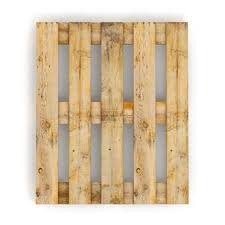
DIY Wooden Pallet Floor: A Step‑by‑Step Guide to a Rustic, Budget‑Friendly Under‑foot Upgrade
If you’ve ever walked into a coffee shop and admired the warm, reclaimed‑wood floor, you’ve probably wondered how you could get that same look without breaking the bank. The good news is that you can create a genuine pallet‑floor masterpiece yourself—using inexpensive, often‑free pallets, a little elbow grease, and a handful of basic tools. In this guide you’ll learn why pallet flooring works, what you need, how to install it safely, and how to finish it so it lasts for years.
Why Choose a Pallet Floor?
| Benefit | Explanation |
|---|---|
| Cost‑effective | Pallets can be sourced for free from warehouses, grocery stores, or online marketplaces. Even when you buy them, they’re usually under $10 each. |
| Eco‑friendly | Reusing pallets keeps wood out of landfills and reduces demand for newly milled lumber. |
| Rustic charm | The weathered, uneven grain gives a “industrial chic” vibe that’s hard to replicate with polished hardwood. |
| DIY satisfaction | Building it yourself lets you control the pattern, finish, and level of distress. |
| Customizable | Paint, stain, or leave it raw—your floor can match any interior style. |
1. Planning Your Pallet Floor
1.1 Measure the Space
- Calculate square footage – Multiply length by width.
- Add a 5‑10 % waste factor – Pallets are irregular; you’ll need extra pieces for cuts and mistakes.
Example: A 12 ft × 10 ft room = 120 sq ft. Add 10 % → 132 sq ft of pallet board.
1.2 Choose the Right Pallet Type
| Pallet Rating | Features | Best Use |
|---|---|---|
| 1 (Food‑grade) | Clean, no chemicals, no stickers | Living rooms, bedrooms |
| 2 (Clean, non‑food) | No chemicals, may have branding | Hallways, garages |
| 3 (Used, unknown) | Possible nails, splinters, stains | Utility rooms, workshops |
| 4 (Damaged) | Warped, broken, heavily stained | Outdoor decks (if treated) |
If you’re flooring a primary living area, stick with Ratings 1 or 2. Avoid pallets that have been in contact with chemicals, oil, or heavy machinery.
1.3 Layout Options
- Straight‑lay – Boards run parallel to the longest wall for a classic look.
- Diagonal – Adds visual interest; requires more cutting.
- Herringbone or chevron – Complex but striking; best for small rooms where you want a focal point.
Sketch your chosen layout on graph paper or with a free floor‑plan app. This will help you visualize waste and plan cuts ahead of time.
2. Materials & Tools Checklist
| Item | Typical Quantity | Estimated Cost | Notes |
|---|---|---|---|
| Pallet boards (1‑x‑4 or 1‑x‑6) | 15‑20 pallets (≈132 sq ft) | $0‑$150 (free to $7 each) | Look for straight grain, minimal rot |
| Circular saw or handheld jigsaw | 1 | $30‑$150 | For trimming boards to length |
| Miter saw (optional) | 1 | $70‑$250 | Makes clean 45° cuts for patterns |
| Tape measure & chalk line | 1 each | $10‑$25 | For precise layout |
| Carpenter’s square | 1 | $8‑$20 | Check right angles |
| Power drill & driver bits | 1 set | $30‑$120 | For pre‑drilling & screwing |
| Deck screws (3‑in.) | 5‑6 lb box | $10‑$25 | Corrosion‑resistant (stainless/galvanized) |
| Hammer & nail set | 1 each | $8‑$20 | For nail removal & occasional finishing nails |
| Sandpaper (80‑grit, 120‑grit, 220‑grit) | 3 packs | $12‑$30 | Hand or orbital sander |
| Wood filler (if needed) | 1 tub | $5‑$12 | For gaps or cracks |
| Sealant/finish (polyurethane, oil, or wax) | 1‑2 qt | $15‑$45 | Choose matte or gloss |
| Safety gear (gloves, goggles, dust mask) | 1 set | $15‑$40 | Essential! |
| Vapor barrier (polyethylene sheet) | 1 roll (if subfloor is concrete) | $20‑$45 | Prevents moisture damage |
Tip: If you’re on a tight budget, borrow a power saw from a neighbor or check your local library’s “tools‑for‑loan” program.
3. Preparing the Pallets
3.1 Disassemble (If Needed)
- Identify fasteners – Pallets use nails, staples, or plastic clips.
- Use a pry bar and hammer – Gently lift boards to avoid splintering.
- Remove all hardware – Even a few stray nails can damage your subfloor later.
3.2 Clean & Inspect
- Brush away dirt and debris with a stiff broom.
- Inspect for rot, insect damage, or heavy staining. Replace any compromised board.
3.3 Sand the Surfaces
- Start with 80‑grit to remove splinters and rough edges.
- Progress to 120‑grit for a smoother surface.
- Finish with 220‑grit if you plan to apply a clear finish (this creates a uniform base).
Pro tip: An orbital sander speeds the job dramatically, but a hand‑held block works fine for small sections.
3.4 Treat the Wood
- Apply a wood preservative if the pallets have been outdoors.
- Stain or paint now if you want a specific hue, keeping in mind that darker stains may hide dents.
Allow the treatment to dry completely—usually 24 hours for most oil‑based products.
4. Installing the Floor
4.1 Prepare the Subfloor
- Concrete slab? Lay a 6‑mil polyethylene vapor barrier, then a ½‑in. plywood underlayment for added rigidity.
- Existing wood floor? Ensure it’s level and clean. You may want to add a ¼‑in. underlayment to cushion the pallet boards.
4.2 Lay Out Your Pattern
- Snap a chalk line where the first row will sit.
- Dry‑fit the first three boards to confirm spacing and alignment.
- Mark any cuts needed for end boards before you start fastening.
4.3 Fastening Methods
| Method | Pros | Cons |
|---|---|---|
| Deck screws (recommended) | Strong, removable, no squeak | Visible heads unless countersunk |
| Nails (finish nails) | Quick, hidden if painted | May loosen over time |
| Adhesive (construction glue) | Seamless surface | Hard to remove, may ooze |
Standard practice: Use 2‑3 screws per board—one about 4 in. from each end, angled down into the subfloor. Pre‑drill pilot holes (¾‑in. deep) to avoid splitting.
4.4 Dealing with Gaps
- Expansion gaps: Leave a ½‑in. gap along walls; cover later with baseboard molding.
- Uneven boards: Use a thin shims (e.g., wood strips) under low spots before screwing.
4.5 Finishing Touches
- Fill any visible screw heads with wood putty, sand smooth.
- Apply a final sanding (220‑grit) for uniformity.
- Seal the floor – Choose one of the following:
- Polyurethane (high durability, glossy or satin).
- Oil‑based finish (enhances grain, easy touch‑up).
- Wax (soft sheen, traditional rustic look).
Apply 2‑3 coats, sanding lightly (220‑grit) between coats. Let each coat cure per manufacturer’s instructions (usually 4‑6 hours for water‑based polyurethane, 24 hours for oil).
4.6 Install Trim
- Baseboards hide expansion gaps and give a polished look.
- Quarter‑round or shoe molding works well on reclaimed floors.
Secure trim with finishing nails or a brad nail gun, then caulk any seams for a seamless appearance.
5. Maintenance & Longevity
- Sweep or vacuum regularly (use a soft brush attachment).
- Spot‑clean spills immediately with a damp cloth—avoid standing water.
- Re‑apply a protective coat every 2‑3 years in high‑traffic areas.
- Rotate rugs to prevent uneven wear.
FAQ
| Question | Answer |
|---|---|
| Can I use any pallet, even if it has “heat‑treated” markings? | Yes, as long as the pallet is HT (heat‑treated) and not chemically treated (e.g., MB for methyl bromide). HT pallets are safe for indoor use. |
| Do I need to sand the pallet boards before staining? | Absolutely. Sanding removes splinters, evens the surface, and opens the wood’s pores so the stain penetrates evenly. |
| How do I prevent squeaky boards? | Pre‑drill pilot holes, use deck screws rather than nails, and ensure the subfloor is flat. Adding a thin underlayment also dampens movement. |
| What if my pallets are of different widths? | Trim the wider boards to a uniform width using a circular saw or table saw. Consistency simplifies layout and fastening. |
| Is a vapor barrier necessary on a wooden subfloor? | Not usually. A vapor barrier is critical for concrete slabs to stop moisture rise. For wood subfloors, ensure the existing floor is dry and sealed. |
| Can I install a pallet floor over radiant heating? | Yes, but allow extra clearance (≈¼‑½ in.) between the heating element and the boards, and use a heat‑resistant adhesive or fastener system. |
| How long does the whole project take? | For a 120 sq ft room, expect 2‑3 days: 1 day for preparation (disassembly, cleaning, sanding), 1 day for installation, and the remaining time for finishing and curing. |
| What safety gear should I wear? | Gloves, safety glasses, ear protection (if using power tools), and a dust mask or respirator when sanding or staining. |
| Can I reuse the same pallets for another room later? | Yes—if you remove the floor carefully and keep the boards intact. Store them flat, away from moisture, and they’ll be ready for a second project. |
| Is it okay to paint the floor instead of staining? | You can, but paint can chip more easily than a clear finish. Use a high‑quality floor paint and apply a protective topcoat for durability. |
Your Next Step
Now that you have the full roadmap—from sourcing pallets to sealing the final coat—take a moment to gather your materials and set a weekend aside for the project. The most rewarding part of a DIY floor is watching a raw, reclaimed material transform into a centerpiece that tells a story of sustainability and craftsmanship.
Remember: Safety first, take your time with each step, and don’t be afraid to experiment with stains or layout patterns. In a few short days, you’ll be walking on a floor that’s not only beautiful but also uniquely yours. Happy building!