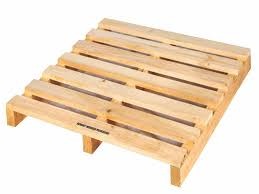
DIY Wooden Pallet Furniture: Turn Scraps into Stunning Tables and More
You’ve probably seen a stack of wooden pallets against a loading dock and thought, “What could I possibly do with those?” The answer is surprisingly simple: build beautiful, functional furniture that looks great, costs almost nothing, and gives you a chance to flex your creative muscles. In this guide you’ll learn everything you need to know to transform raw pallets into sturdy tables, chairs, storage units, and more—while staying safe, eco‑friendly, and budget‑smart.
1. Why Choose Pallet Furniture?
| Benefit | What It Means for You |
|---|---|
| Low Cost | Pallets are often free or cost a few dollars. |
| Sustainability | You’re up‑cycling waste wood that would otherwise end up in a landfill. |
| Customizable | You decide the size, shape, finish, and style. |
| Quick Build | Most projects can be completed in a weekend with basic tools. |
| Rugged Charm | The weathered, industrial look adds character to any space. |
If you love the idea of a coffee table that tells a story, a patio side table that survived countless summer BBQs, or a set of nightstands that look like they belong in a loft, pallets are the perfect raw material.
2. Getting Started: Sourcing and Preparing Pallets
2.1. Choose the Right Pallet
Not all pallets are created equal. Look for these markings:
| Mark | Meaning |
|---|---|
| HT | Heat‑treated (acceptable for indoor use). |
| KD | Kiln‑dried (also fine). |
| MB | Moisture‑balanced. |
| PH | Chemically treated with pesticides (avoid). |
Tip: If the pallet has a “HT” stamp, it’s safe for indoor furniture. Pallets marked “MB” or “KD” are also fine. Avoid any pallet that looks rotted, has mold, or carries the “DP” (dump) label.
2.2. Safety First
- Wear protective gear – safety glasses, gloves, and a dust mask.
- Check for nails and staples – use a nail puller or a flat‑head screwdriver to remove them before cutting.
- Ventilate – if you’re sanding indoors, open windows or use a shop vac.
2.3. Disassembly
- Lay the pallet on a sturdy workbench.
- Using a reciprocating saw or a circular saw set to a shallow depth, cut along the seams to separate the slats.
- Remove any remaining fasteners.
You’ll now have a stash of reclaimed planks ready for measurement and design.
3. Designing Your Pallet Table
A table is the most popular pallet project because it’s relatively easy and instantly functional. Below is a step‑by‑step design workflow you can adapt for any table size—coffee, side, dining, or even a height‑adjustable workbench.
3.1. Sketch the Concept
- Measurements: Decide the dimensions that fit your space. A typical coffee table: 40” × 20” × 16” (L × W × H).
- Style: Do you want a rustic, raw‑edge look or a sleek, sanded surface with a clear coat?
- Legs: Choose between attached pallet legs, reclaimed metal pipe legs, or turned wooden legs.
Draw a quick rectangle on paper or use a free online tool (SketchUp, Planner 5D). Mark where each pallet board will go.
3.2. Create a Cut List
| Part | Quantity | Size (in) |
|---|---|---|
| Table top boards | 4‑6 | 40 × 12 (or adjust) |
| Side aprons (frame) | 2‑4 | 40 × 4, 20 × 4 |
| Legs | 4 | 16 × 4 (or custom) |
| Support braces | 2‑4 | 12 × 4 (optional) |
Add a 10% waste factor for any mistakes or knots.
3.3. Choose Your Fasteners
- Wood screws (2½” – 3″): best for strong joints.
- Pocket hole screws (if you have a pocket‑hole jig).
- Wood glue: for added stability, especially on the tabletop.
4. Cutting, Sanding, and Assembling
4.1. Cutting
- Set your circular saw to the exact thickness of the pallet planks (usually 1‑1¼”).
- Cut the boards to length, remembering to measure twice, cut once.
- Use a straight edge or a clamp to keep the wood from shifting.
4.2. Sanding
- Step 1: Coarse grit (80‑100) – remove splinters and nail holes.
- Step 2: Medium grit (120‑150) – smooth the surface.
- Step 3: Fine grit (180‑220) – prepare for finishing.
If you prefer a weathered look, you can stop after medium grit and use a wire brush to highlight grain and knots.
4.3. Assembling the Table Top
- Lay out the boards edge‑to‑edge on a flat surface.
- Apply a thin bead of wood glue to each joint.
- Clamp the boards together tightly, using cauls or scrap wood to distribute pressure.
- Drill pilot holes (¼” diameter) every 12” along the seam, then drive wood screws through the underside of the tabletop for a clean face.
4.4. Building the Frame (Aprons)
- Cut the aprons to match the interior dimensions of the tabletop.
- Attach them to the underside of the top using brad nails or screws at each corner (pre‑drill to avoid splitting).
- Add corner brackets for extra rigidity if the table will bear heavy loads.
4.5. Installing the Legs
Option A – Direct‑to‑Apron:
- Drill four 1½” deep holes through the aprons, align with the leg ends, and secure with 2½” screws.
Option B – Pocket‑Hole Legs:
- Using a pocket‑hole jig, attach each leg to the apron from the interior side. This hides the screws and gives a cleaner look.
4.6. Final Touches
- Sand any remaining rough spots.
- Fill gaps with wood filler if you want a seamless surface.
- Check for wobble; tighten all hardware and add a diagonal brace if needed.
5. Finishing: Protect and Beautify
There are three popular finishing routes for pallet furniture:
| Finish | Look | Durability | Application |
|---|---|---|---|
| Clear Polyurethane | Natural wood grain, glossy or matte | High (water‑resistant) | Brush or spray, 2‑3 coats |
| Oil (Tung, Danish, Linseed) | Warm, hand‑rubbed patina | Moderate (needs re‑oil yearly) | Apply with cloth, wipe excess |
| Paint (chalk, matte) | Bold color, retro vibe | Variable (use a top‑coat for protection) | Primer + 2 coats paint + clear seal |
Pro tip: If the table will sit outdoors, combine a weather‑proof oil followed by a spar urethane for UV protection.
6. Budget Breakdown (Typical DIY Table)
| Item | Approx. Cost (USD) |
|---|---|
| Pallets (free or $5 each) | $0‑$10 |
| Screws & nails | $5 |
| Wood glue | $3 |
| Sandpaper (assorted) | $4 |
| Finish (polyurethane, 1 qt) | $12 |
| Tools (if you lack a saw) – rental | $20‑$30 |
| Total | $34‑$64 |
Even if you need to buy a few tools, the overall expense is a fraction of a store‑bought table that can cost $150‑$300.
7. Extending the Pallet Furniture Concept
Your newfound pallet skills don’t have to stop at a single table. Here are a few ideas to keep the momentum going:
- Pallet Coffee Table with Storage – add a shallow drawer underneath the top.
- Outdoor Bar Cart – combine two pallets, install wheels, and fit a metal shelf.
- Wall‑Mounted Shelving – use whole pallets as rustic floating shelves.
- Bed Frame – stack three pallets on each side, reinforce with cross‑bars, and place a mattress on top.
The only limit is your imagination (and the size of the pallet stash you can acquire).
8. Frequently Asked Questions (FAQ)
Q1: Are pallet tables safe for indoor use?
A: Yes, as long as you use pallets that are heat‑treated (HT) or kiln‑dried (KD) and you remove all nails and any chemicals. Sanding and sealing eliminate splinters and dust.
Q2: How do I prevent the wood from splintering after cutting?
A: Always cut with a sharp blade and use a fine‑tooth saw for clean cuts. Follow up with progressive sanding (80 → 120 → 220 grit) to smooth any tear‑out.
Q3: My pallet wood has a strong odor—what should I do?
A: The odor usually comes from the treatment chemicals. If the pallet is marked “HT” the smell should fade after sanding and sealing. If it persists, consider using a different pallet or applying an odor‑blocking primer before finishing.
Q4: Can I use reclaimed nails instead of new screws?
A: Reclaimed nails can be decorative but they’re not as strong as modern wood screws, especially for load‑bearing joints. Use screws for structural parts; you can add reclaimed nails for a rustic look on the surface if desired.
Q5: How do I protect my pallet table from humidity?
A: Seal the wood with a water‑resistant finish (spar urethane for outdoor, polyurethane for indoor). Keep the table away from direct contact with wet surfaces, and consider a felt pad under glasses to prevent condensation rings.
Q6: Do I need a special tool to remove pallet fasteners?
A: A flat‑head screwdriver, pry bar, or a reciprocating saw with a metal‑cutting blade works well. If you have a nail puller or a Pliers‑type “cat’s paw,” it speeds up the process.
Q7: What’s the best way to make the table legs level on uneven floors?
A: Attach small rubber pads or adjustable furniture glides to the bottom of each leg. They compensate for minor floor irregularities and protect the floor from scratches.
9. Final Thoughts: Your Pallet Project Journey
You now have a complete roadmap—from selecting the right pallets to polishing a finished table that will become the centerpiece of your living room or patio. The beauty of DIY pallet furniture lies in its blend of practicality, sustainability, and personal expression. Each scratch you sand away, each nail you drive, and each coat of finish you apply is a step toward creating something uniquely yours.
So roll up your sleeves, gather those pallets, and start building. Your next favorite piece of furniture is just a few cuts, a bit of sand, and a lot of imagination away.