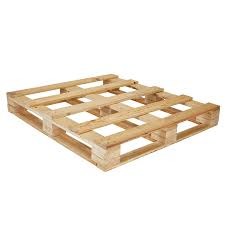
The Ultimate Guide to Pallet Sizes: What You Need to Know Before You Ship
Whether you’re a small‑business owner loading your first order, a warehouse manager optimizing space, or a logistics professional planning a cross‑border freight move, the pallet you choose can make or break your supply‑chain efficiency.
In this post you’ll discover:
- The most common pallet dimensions around the world.
- How to match a pallet to your product, equipment, and transportation mode.
- Practical calculations for load capacity and cubic utilization.
- Tips for reducing damage, cutting costs, and staying compliant with regulations.
All of this is presented in a second‑person viewpoint so you can immediately see how each decision applies to your operation. Let’s dive in.
1. Why Pallet Size Matters
You may think a pallet is just a flat wooden board, but its size determines three critical factors:
| Factor | Impact of Pallet Size |
|---|---|
| Space utilization | Larger pallets fill more floor area but may waste cubic space inside containers or trucks. |
| Handling efficiency | Standard dimensions align with forklifts, pallet jacks, and automated conveyors. Mismatched sizes cause extra lifts or manual adjustments. |
| Shipping cost | Carriers charge by weight and by volume. The right pallet can reduce the number of pallets per shipment, lowering both freight and packaging fees. |
If you ignore these variables, you’ll end up with partially filled containers, higher labor costs, and a greater risk of product damage.
2. Global “Standard” Pallet Dimensions
There is no single universal pallet; standards differ by region, industry, and even by carrier. Below is a quick reference you can keep handy.
Table 1 – Most Frequently Used Pallet Sizes (Length × Width × Height)
| Region / Standard | Length (mm) | Width (mm) | Height (mm) | Common Name | Typical Load Capacity |
|---|---|---|---|---|---|
| North America (GMA) | 1,016 | 1,219 | – | 48” × 40” | 2,200 kg (4,850 lb) |
| North America (CHEP) | 1,200 | 1,000 | – | 48” × 40” (Euro) | 2,000 kg |
| Europe (EUR/EPAL) | 1,200 | 800 | – | 1200 × 800 mm | 1,500 kg |
| Australia (AS 4068) | 1,165 | 1,165 | – | 48” × 48” | 1,800 kg |
| Asia (JIS) | 1,100 | 1,100 | – | 44” × 44” | 1,600 kg |
| ISO 6780 (International) | 1,200 | 800 | – | 1200 × 800 mm | 1,500 kg |
Pro tip: If you ship internationally, the safest bet is the ISO 6780 (1200 × 800 mm) pallet. It’s accepted in most major trade lanes and fits comfortably in standard 40‑ft containers.
Table 2 – Pallet Material Options and Their Typical Weights
| Material | Approx. Empty Weight (kg) | Advantages | Disadvantages |
|---|---|---|---|
| Softwood (standard) | 15–20 | Low cost, widely available | Susceptible to moisture, limited reuse |
| Hardwood | 25–30 | Higher strength, longer life | More expensive, heavier |
| Plastic (recyclable) | 12–18 | Uniform dimensions, resistant to pests | Higher upfront cost |
| Metal (steel/aluminum) | 30–45 | Extremely durable, fire‑resistant | Very heavy, costly, limited recyclability |
When you’re calculating payload, always subtract the pallet’s own weight from the carrier’s gross weight limit.
3. How to Choose the Right Pallet for Your Product
3.1. Measure the Load
- Footprint – Place your product on the floor and measure length and width. Add a 10‑15 mm clearance on each side to accommodate shrink‑wrap or stretch film.
- Height – Stack the product (or the case) as you intend to ship it; record the total height.
- Weight – Know the gross weight of the fully packed unit.
Quick check: If your load’s footprint exceeds the pallet’s, you’ll need a larger pallet, multiple pallets, or a different stacking method (e.g., interlocking boxes).
3.2. Match Pallet to Transport Mode
| Transport Mode | Ideal Pallet Length | Ideal Pallet Width | Why |
|---|---|---|---|
| Truck (pallet jack) | 1,200 mm | 800 mm | Fits standard racking and forklift forks in North America & Europe |
| Rail (intermodal) | 1,200 mm | 800 mm | Maximizes container space; aligns with ISO container dimensions |
| Air Cargo | 1,016 mm | 610 mm (or 800 mm) | Reduces weight and fits in ULDs (Unit Load Devices) |
| Ocean (40‑ft container) | 1,200 mm | 800 mm | Allows 20–22 pallets per container (2‑high) |
If you regularly ship via multiple modes, adopt a single “universal” pallet size to avoid repalletizing.
3.3. Load Capacity vs. Product Weight
Calculate the maximum allowable load per pallet:
Allowable Load = Pallet Rating – Pallet Empty Weight
For a 1,200 × 800 mm hardwood pallet rated at 1,500 kg, the usable capacity is roughly 1,470 kg (1,500 kg – 30 kg).
If your product weighs 50 kg per case and you plan to stack four cases high, the total is 200 kg, comfortably under the limit. However, if you intend to stack ten cases high (500 kg), verify that the pallet’s compression strength can handle the vertical load without crushing.
4. Maximizing Cubic Utilization
A well‑chosen pallet reduces the wasted volume in a container or truck. Here’s a simple method you can use on the shop floor:
- Calculate pallet volume – Multiply length × width × height (including the stacked load).
- Calculate container volume – For a 40‑ft container, internal dimensions are roughly 12,032 mm × 2,352 mm × 2,393 mm = 67.5 m³.
- Determine pallet count – Divide container volume by pallet volume, then round down to the nearest whole number.
Example
Pallet dimensions: 1,200 mm × 800 mm × 1,600 mm (including load) → 1.536 m³ per pallet.
Container capacity: 67.5 m³ ÷ 1.536 m³ ≈ 44 pallets.
But keep in mind door opening dimensions, racking patterns, and weight distribution. In practice you may only fit 40–42 pallets due to these constraints.
5. Common Pitfalls & How to Avoid Them
| Pitfall | Consequence | Prevention |
|---|---|---|
| Using non‑standard pallets | Extra handling, repacking, higher freight cost | Standardize on ISO 1200 × 800 mm or a regional norm |
| Over‑stacking beyond rating | Pallet collapse, product damage, safety hazard | Verify pallet compression strength, use load‑distribution boards |
| Ignoring pallet weight in carrier limits | Over‑weight shipments, fines | Subtract pallet tare weight from gross weight allowance |
| Mismatched forklift fork width | Incomplete lifts, pallet tilt, damage | Choose pallets whose width matches your forklift’s fork spread |
| Neglecting moisture protection | Wood rot, pest infestation | Use moisture‑resistant pallets (plastic or treated wood) for humid climates |
6. Environmental & Cost Considerations
Sustainability is no longer a buzzword; it directly influences bottom‑line decisions.
| Aspect | Traditional Pallet (Softwood) | Reusable Plastic Pallet | Recycled/Refurbished Pallet |
|---|---|---|---|
| Average Cost (per unit) | $12‑$18 | $45‑$70 | $8‑$12 |
| Lifespan | 50‑100 trips | 1,000+ trips | 30‑70 trips |
| Weight | 15‑20 kg | 12‑18 kg | 15‑22 kg |
| Recyclability | 100 % (biodegradable) | 100 % (thermoplastic) | 80‑90 % (depends on repair) |
| Carbon Footprint | Moderate (harvest & transport) | Low (reusable) | Low to moderate (refurbish) |
If you ship high‑volume, high‑value goods, the up‑front investment in reusable plastic pallets often pays for itself within a year through reduced labor and lower damage rates. For occasional shipments, standard softwood pallets remain the most economical choice.