
The Unsung Hero of Logistics: Unpacking the Power of the Heavyweight Euro Pallet (1200 x 800 mm)
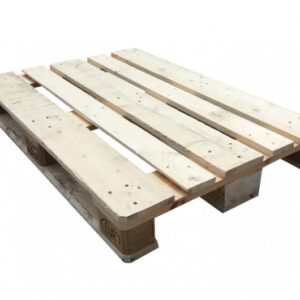
Ever stopped to think about the silent workhorses that make our modern world tick? We’re not talking about the latest gadgets or sleek vehicles, but something far more fundamental, yet often overlooked. We’re talking about pallets! And today, we’re diving deep into the world of a particularly robust and reliable champion: the Heavyweight Euro Pallet, specifically the standard 1200 x 800 mm dimensions.
You might be thinking, “A pallet? Really?” But trust us, once you understand the sheer importance and versatility of this workhorse, you’ll see it in a whole new light. Whether you’re a seasoned logistics professional, a business owner looking to optimize your supply chain, or simply someone curious about how goods get from A to B, this post is for you. So, grab a cuppa, get comfortable, and let’s unpack the mighty heavyweight!
Why 1200 x 800 mm? The Magic Dimensions
You’ll notice we’re focusing on the 1200 x 800 mm size. This isn’t an arbitrary choice. These dimensions are the cornerstone of the Euro Pallet standard (EPAL), a system designed to create interoperability and efficiency across Europe and beyond. Think of it as a universal language for moving goods. These dimensions are carefully chosen to:
- Fit standard transport systems: They neatly align with the dimensions of trucks, shipping containers, and warehouse racking, minimizing wasted space and maximizing load capacity.
- Optimize handling: Most forklifts and pallet jacks are designed to easily accommodate these dimensions, speeding up loading and unloading processes.
- Facilitate global trade: Having a standardized size makes it easier to move goods across borders without the hassle of incompatible handling equipment or storage systems.
What Makes it a “Heavyweight”? It’s All About the Build!
When we say “heavyweight,” we’re not just talking about its size; we’re talking about its strength and durability. Heavyweight Euro Pallets are built to withstand the rigors of demanding industrial environments and the weight of substantial loads. They are typically constructed from high-quality, dense hardwoods, with thicker deck boards, robust stringers, and reinforced corner blocks.
This superior construction means they can handle significantly more weight than their lighter counterparts. Let’s break down what that means in practical terms.
Load Capacity: The Backbone of Reliability
The true “heavyweight” characteristic comes down to its impressive load capacity. While there can be slight variations depending on the specific manufacturer and wood quality, a typical Heavyweight Euro Pallet can handle:
| Load Type | Typical Capacity (kg) | Notes |
|---|---|---|
| Static Load | 5000 – 7500+ | The maximum weight it can support when stationary, e.g., stacked in a warehouse. |
| Dynamic Load | 1500 – 2500+ | The maximum weight it can support when being moved by a forklift or pallet jack. |
| Racking Load | 1000 – 1500+ | The maximum weight it can support when placed on a warehouse racking system. |
Crucially, these are maximum capacities. Always factor in a margin of safety when loading pallets. Overloading a pallet, even a heavyweight one, can lead to damage, product loss, and safety hazards.
Why is this load capacity so important?
- Reduced Pallet Count: You can move more goods with fewer pallets, saving on purchasing costs and reducing the overall footprint of your storage.
- Enhanced Safety: A robust pallet provides a stable base for your goods, reducing the risk of items falling or shifting during transit.
- Durability and Longevity: These pallets are built to last, meaning you’ll replace them less often, leading to cost savings in the long run.
- Versatility: They are suitable for a wide range of heavy and high-value goods, from industrial machinery components to bulk raw materials.
Beyond the Muscles: Key Features and Benefits
The strength of a heavyweight Euro Pallet is undeniable, but its advantages extend far beyond just its lifting prowess. Let’s explore some of its key features and the benefits they bring to your operations:
| Feature | Benefit |
|---|---|
| Robust Construction | Exceptional strength and durability, able to withstand heavy loads and repeated use in demanding environments. This translates to fewer replacements and reduced costs over time. |
| Standardized Dimensions (1200 x 800 mm) | Seamless integration with global logistics infrastructure, including trucks, containers, and warehouse racking. Maximizes space utilization and streamlines handling processes. |
| High Load Capacity | Ability to support significant weight, reducing the number of pallets needed and ensuring the safe transport of heavy or valuable goods. |
| Repairability | Often designed for repair, extending their lifespan further and offering a more sustainable and cost-effective solution compared to disposable pallets. |
| IPPC HT Treatment | Most professional Euro Pallets undergo Heat Treatment (HT) to comply with international phytosanitary regulations (ISPM 15), preventing the spread of pests and diseases. This is essential for international shipping. |
| Interlocking Design | Some heavyweight designs incorporate features that allow for secure stacking, providing stability when empty and optimizing storage space. |
| Versatility | Suitable for a vast array of industries and applications, from manufacturing and warehousing to retail and agriculture, handling everything from raw materials to finished products. |
Where Do You Find These Giants in Action?
You’ve probably encountered heavyweight Euro Pallets more often than you realize! They are the backbone of logistics in numerous sectors:
- Manufacturing: Moving heavy components, machinery parts, and finished goods within production facilities and for distribution.
- Warehousing and Distribution Centers: The workhorse for storing and moving bulk inventory, ensuring efficient stock rotation and order fulfillment.
- Automotive Industry: Transporting engines, transmissions, and other heavy automotive parts.
- Construction: Moving building materials, aggregates, and pre-fabricated components.
- Food and Beverage: Handling large quantities of raw ingredients, bagged goods, and bottled products.
- Heavy Industry: Transporting metals, chemicals, and other dense materials.
Choosing the Right Heavyweight for Your Needs
While the 1200 x 800 mm dimension is standard, there can be variations in the exact construction and wood type. When selecting a heavyweight Euro Pallet, consider:
- The specific weight of your goods: Always err on the side of caution and opt for a pallet with a higher capacity than you think you’ll need.
- Frequency of use: If your pallets are constantly on the move, a more robust construction will offer better durability.
- Storage environment: Will they be exposed to moisture or extreme temperatures? Some wood treatments can offer additional protection.
- Supplier reputation: Choose a reputable supplier who can provide clear specifications and certifications for their pallets.
Frequently Asked Questions About Heavyweight Euro Pallets
We know you’re probably bursting with questions, so let’s tackle a few common ones:
Q1: What’s the difference between a standard Euro Pallet and a heavyweight Euro Pallet?
A1: While both share the 1200 x 800 mm dimensions, heavyweight Euro Pallets are constructed with thicker, denser wood and often have reinforced elements. This results in a significantly higher load capacity and greater durability for demanding applications.
Q2: Can I use a heavyweight Euro Pallet for lighter goods?
A2: Absolutely! Using a heavyweight pallet for lighter goods simply provides an extra margin of safety and ensures excellent longevity. It’s a robust option that will serve you well.
Q3: Are Euro Pallets recyclable?
A3: Yes, Euro Pallets are highly recyclable. They are often made from natural wood that can be reprocessed into new wood products, particleboard, or even used as biomass fuel. Many companies also offer pallet repair and refurbishment services, extending their lifespan and further enhancing sustainability.
Q4: What does “IPPC HT” mean on a pallet?
A4: IPPC stands for the International Plant Protection Convention. “HT” signifies that the pallet has undergone Heat Treatment. This process heats the wood to a specific core temperature for a set duration to kill any pests or pathogens, making it compliant with international shipping regulations and preventing the spread of invasive species.
Q5: How should I store my heavyweight Euro Pallets when not in use?
A5: To maximize their lifespan, store your pallets in a dry, well-ventilated area, away from direct sunlight and excessive moisture. Avoid stacking them in a way that puts undue stress on the boards or blocks.
The Enduring Legacy of the Heavyweight Euro Pallet
In a world obsessed with the new and the flashy, it’s easy to overlook the humble but indispensable Euro Pallet. The heavyweight variant, with its robust construction and impressive load-bearing capabilities, is more than just a platform for goods; it’s a cornerstone of efficient, safe, and cost-effective logistics.
So, the next time you see a truck laden with goods, or a forklift expertly maneuvering a stack of products, take a moment to appreciate the silent, unsung hero working tirelessly beneath it all – the mighty 1200 x 800 mm heavyweight Euro Pallet. It’s a testament to smart design and enduring quality, ensuring that the products you rely on reach you safely and efficiently, every single time.
Is there anything else you’d like to know about these logistical champions? Let us know in the comments below!


Reviews
There are no reviews yet.