
Unlock Efficiency: Why the 1200×1000 Medium Weight Four-Way Conversion Pallet Is Your Next Logistics Game Changer
If you manage a modern warehouse, distribution center, or complex supply chain, you know that the humble pallet is anything but simple. It’s the foundational unit of almost every move you make.
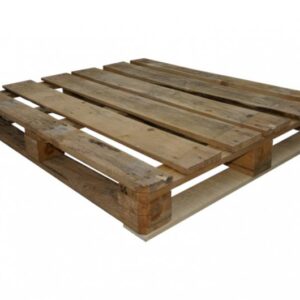
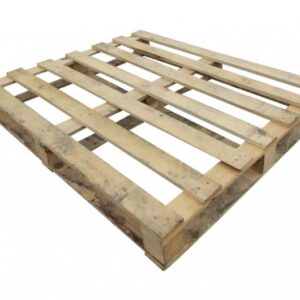
While many specialized pallets exist, there is one particular workhorse that consistently delivers the optimal blend of versatility, strength, and cost-effectiveness: the Medium Weight Four-Way Conversion Pallet built to the standard 1200 x 1000 mm dimensions.
This isn’t just a piece of equipment; it’s a strategic asset designed to keep your goods flowing smoothly, regardless of whether you’re moving them across the country or stacking them sky-high in high-bay racking.
Let’s dive into why this specific type of pallet might just be the perfect solution you’ve been searching for.
1. Decoding the Pallet Jargon: What Are You Actually Buying?
Before we look at the benefits, it helps to break down the technical name of this essential tool.
The Dimensions: 1200 x 1000 mm
If you operate internationally, particularly with ISO or European standards, you already recognize this size. The 1200 x 1000 mm footprint is one of the most globally utilized standards.
Why this size matters to you:
- Optimization: It maximizes efficiency when loading standard trailers and shipping containers (especially 40 ft containers), minimizing wasted space.
- Compatibility: It integrates seamlessly with existing standard rack systems, forklifts, and conveyers you likely already own.
The Access: Four-Way Entry
A four-way entry pallet allows a pallet jack or forklift to lift the unit from all four sides.
Why this matters to you:
- Speed and Flexibility: Your operators don’t waste time maneuvering the forklift to find the “right” side. This is crucial in fast-paced or tight storage environments.
- Layout Flexibility: You can position the pallet along conveyors or in staging areas without worrying about directional constraints.
The Function: Conversion Pallet
The term “conversion pallet” often refers to a design structure robust enough to handle various types of handling systems beyond simple floor stacking. It means this pallet is built to “convert” easily between different operational modes:
- Floor Stacking (Static Load)
- Moving (Dynamic Load)
- Racking (Edge-supported or unsupported high bay storage)
- Conveying (Handling transfer points on automated systems)
The Strength: Medium Weight
This is the sweet spot. A medium-weight rating means the pallet is durable enough for continuous, multi-trip, high-throughput use without carrying the unnecessary material cost or bulk of a heavy-duty pallet designed for extreme loads.
2. Power in the Middle: Load Capabilities and Specifications
The medium-weight category is designed for operations that require reliability day in and day out, handling typical cargo such as packaged foods, beverages, consumables, retail goods, and general manufacturing components.
To help you understand the true capabilities of this workhorse, here are the typical specifications you can expect from a high-quality 1200 x 1000 conversion pallet:
Table 1: Typical Performance Specifications (1200 x 1000 mm Medium Weight Pallet)
| Performance Metric | Definition | Typical Load Capacity (Approx.) | Implication for You |
|---|---|---|---|
| Dynamic Load | Maximum weight the pallet can safely carry while being moved by a forklift (in transit). | 1,200 kg – 1,500 kg | Handles standard shipping weights (e.g., 20-30 bags of cement or 50 cases of product). |
| Static Load | Maximum weight the pallet can safely hold when resting stationary on a flat floor (stacked vertically). | 4,000 kg – 5,000 kg | Allows for safe, dense tier stacking in high-volume flat storage. |
| Rackable Load | Maximum weight the pallet can safely hold when supported only by its ends in open-faced racking. | 750 kg – 850 kg | Ensures safety and compliance in modern high-bay warehousing systems. |
| Entry Type | Handling accessibility. | Four-Way | Maximum efficiency and speed in maneuvering. |
3. Four Core Benefits for Your Operation
Choosing a conversion pallet with these specific metrics provides tangible benefits that directly impact your bottom line and staff efficiency.
A. Operational Consistency and Safety
Because the pallet is designed for conversion, you eliminate the risk of switching between different pallet types for different functions (e.g., using a fragile pallet for floor storage, then swapping to a heavy-duty pallet for racking). This consistency reduces product damage and ensures compliance with safety protocols, especially regarding racking load limits.
B. Optimal Return on Investment (ROI)
Medium-weight pallets are often constructed from durable materials (like high-density plastic or engineered wood composites) designed for longevity and multiple cycles. While the initial cost is higher than a cheap, light-duty pallet, the extended lifespan dramatically lowers your long-term cost per trip. You buy fewer pallets, and you replace them less frequently.
C. Reduced Handling Time
As mentioned, four-way entry is a massive time-saver. By eliminating the need for precise directional maneuvering, you streamline the loading and unloading process, reducing the amount of idle time for your most expensive assets—your forklifts and your labor force.
D. Perfect for Closed-Loop Systems
If your business utilizes a closed-loop supply chain (where pallets routinely cycle between a set of facilities), the robust medium-weight design is ideal. It stands up to repeated abuse, washing (if plastic), and movement across various handling equipment, making it a reliable fixture in your continuous operation.
4. Making the Right Choice: Medium vs. Light vs. Heavy
Perhaps you are wondering if you truly need a medium-weight pallet, or if you could save money with a lighter option. The decision comes down to the frequency of use and the environment.
Table 2: Pallet Type Comparison for 1200 x 1000 Pallets
| Feature | Light Duty Pallet | Medium Weight Conversion Pallet | Heavy Duty Pallet |
|---|---|---|---|
| Primary Use | One-way transit, export, air freight, retail display. | General warehousing, closed-loop, high throughput, FMCG. | Highly automated systems, extreme weight loads (e.g., machinery, liquids). |
| Racking Capability | Poor or none. | Excellent (Designed for racking). | Excellent (Maximum safety factor). |
| Service Life | Short (Often single use). | Long (Multi-trip, high cycle). | Very Long (Rugged, almost indestructible). |
| Cost Implication | Lowest initial cost; high replacement rate. | Balanced initial cost; excellent long-term ROI. | Highest initial cost; low long-term replacement rate. |
If your pallets are only used once before being recycled, stick with light duty. But if your pallets are staying within your system or moving through a rigorous logistics network, the robustness and safety features of the medium-weight conversion pallet are non-negotiable investments.
Conclusion
The 1200×1000 Medium Weight Four-Way Conversion Pallet is the Swiss Army knife of logistics equipment. It offers the flexibility of four-way access, the reliability to handle continuous operational loads, and the structural integrity necessary for safe, efficient racking.
By choosing this standard, versatile option, you are not just purchasing a platform for your goods—you are investing in maximized container loads, reduced handling errors, improved safety compliance, and a smoother, more cost-effective supply chain overall.
Frequently Asked Questions (FAQ)
Q1: Is the “Conversion Pallet” usually made of wood or plastic?
The term “conversion pallet” refers to the function and structural integrity, not the material. However, modern conversion pallets are increasingly made of high-density polyethylene (HDPE) plastic or similar engineered materials. Plastic offers superior advantages for conversion purposes—it is typically dimensionally stable for racking, easy to clean/sanitize, and offers a longer service life compared to traditional wood.
Q2: Can these pallets be used on roller conveyors?
Yes, absolutely. A key requirement of a true conversion pallet—especially in plastic—is a consistent, smooth base deck structure (often a full perimeter or skid base). This design ensures reliable tracking and transfer across various automated roller and chain conveyor systems without snagging or falling.
Q3: How do I calculate if the 1200×1000 dimensions are best for my shipping needs?
The 1200×1000 mm size works best if you are shipping mixed products, are using standard European (EU) racks, or are loading 40-foot ISO containers. It maximizes container floor space better than smaller US standard pallets (1200×1200 mm or 48×40 inches) in many global shipping contexts. Always check with your ocean freight carrier for specific optimization studies based on your primary lanes.
Q4: If the maximum rackable load is 800 kg, does that mean I can never exceed that weight?
The rackable load is a maximum safety rating determined under controlled conditions, often with a significant safety factor built in. You should strictly adhere to this limit. Exceeding the rackable load, especially in high-bay systems, places undue stress on the pallet supports, risking catastrophic collapse of the pallet deck and potential damage to your racking setup. Stick to the stated limits to ensure a safe working environment.
Reviews
There are no reviews yet.