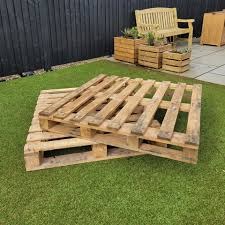
What Wood Is a Pallet Made Of? A Complete Guide for Anyone Who Handles Shipping, Storage, or DIY Projects
If you’ve ever lifted a pallet off a loading dock, built a garden planter from one, or even spotted a stack of them in a warehouse, you’ve probably wondered what wood goes into a pallet. The answer isn’t as simple as “just pine.” Pallets are engineered to balance strength, cost, availability, and the demands of the supply‑chain they serve.
In this post you’ll learn:
- The most common wood species used in pallets (and why).
- How regional availability and industry standards shape pallet construction.
- The pros and cons of each wood type for durability, safety, and reuse.
- A quick‑reference table to help you pick the right pallet for your project.
- Answers to the most frequently asked questions about pallet wood.
Grab a cup of coffee, and let’s break down the anatomy of the humble pallet.
1. The Basics: Why Wood Is Still the Dominant Pallet Material
Even though plastic and metal pallets have been around for decades, wood remains the material of choice for more than 90 % of pallets worldwide. Why?
| Factor | Wood | Plastic | Metal |
|---|---|---|---|
| Initial Cost | Low (often <$1 per pallet) | Moderate‑high (≈ $4‑$6) | High (≈ $10‑$15) |
| Weight | Light‑to‑moderate (15‑30 kg) | Light (10‑20 kg) | Heavy (30‑50 kg) |
| Repairability | Easy (nails, screws, glue) | Difficult (requires welding) | Difficult (requires welding or bolting) |
| Recyclability | High (can be down‑cycled into mulch, chipboard) | Moderate (re‑melted) | High (scrap metal) |
| Availability | Global supply of softwoods and hardwoods | Regional, depends on manufacturers | Limited to industrial users |
| Load Capacity | Up to 1,500 kg for heavy‑duty designs | Comparable, but less stiff under impact | Highest (up to 3,000 kg) |
Wood wins on cost, ease of repair, and sheer ubiquity. That’s why the industry has spent centuries refining which species work best for different pallet grades.
2. The Two Main Classes: Softwood vs. Hardwood
Softwood Pallets
Softwoods are typically coniferous trees—pine, spruce, fir, and sometimes hemlock. They grow quickly, making them inexpensive and abundant, especially in North America and Scandinavia.
| Species | Typical Origin | Key Characteristics | Common Uses |
|---|---|---|---|
| Southern Yellow Pine (SYP) | Southern USA | High density, good nail‑holding, natural resistance to decay | Export pallets, heavy‑duty domestic pallets |
| Spruce (Sitka, Norway) | Canada, Scandinavia | Light, relatively uniform grain, low shrinkage | Standard 48×40‑in. pallets, containerized freight |
| Douglas Fir | Pacific Northwest (USA) | Strong, stiff, moderate cost | Industrial pallets for heavy loads |
| Hemlock | Northeastern USA, Canada | Similar to spruce, slightly higher strength | General‑purpose pallets |
Why you’ll often see softwoods: they’re cheap, they can be heat‑treated (HT) or methyl bromide fumigated (MB) to meet international phytosanitary standards, and they accept nails or staples without splitting.
Hardwood Pallets
Hardwoods are deciduous trees with slower growth rates—oak, maple, beech, poplar, and birch. They’re denser, heavier, and more resistant to dents and compression.
| Species | Typical Origin | Key Characteristics | Common Uses |
|---|---|---|---|
| Hard Maple (Sugar Maple) | Northeastern USA, Canada | Very dense, excellent impact resistance | Food‑grade pallets, high‑value electronics |
| Oak (White or Red) | Europe, USA | Very strong, natural moisture barrier | Heavy‑industry pallets, export of machinery |
| Beech | Europe (Germany, Poland) | Uniform grain, high hardness | Pharmaceutical pallets, EU‑compliant shipments |
| Poplar | China, USA | Moderately dense, inexpensive hardwood | Low‑cost reusable pallets in Asia |
| Birch | Scandinavia, Russia | Strong, fine grain, good nail retention | Specialty pallets for fragile goods |
Hardwoods are chosen when strength, durability, and cleanliness are paramount—think pallets that will be re‑used many times or that will carry food, chemicals, or medical devices where splintering and contamination must be minimized.
3. How Industry Standards Dictate Wood Choice
3.1. ISPM‑15 (International Standards for Phytosanitary Measures No. 15)
If a pallet crosses an international border, it must comply with ISPM‑15, which requires either heat treatment (HT) at ≥ 56 °C for at least 30 minutes or methyl bromide fumigation (MB).
Softwoods are easier to treat because they contain lower moisture and fewer natural resins that can protect insects. Hardwoods can be treated too, but the process is more expensive and sometimes damages the wood’s structural integrity.
3.2. ASTM and European Pallet Standards
- ASTM D6179 (U.S.) categorizes pallets into Grade A (new, hardwood or softwood), Grade B (repaired, mixed wood), and Grade C (used, often softwood). The grade you request will dictate the wood species: Grade A often uses hard maple or oak, while Grade C typically relies on spruce or pine.
- European Pallet Association (EPAL) mandates that Euro pallets be made from spruce, pine, or fir, with a maximum board thickness of 22 mm. Hardwoods are allowed only for custom or specialized pallets.
Understanding these standards helps you communicate with suppliers and avoid costly delays at customs.
4. Environmental Impact: Choosing Sustainable Wood
When you’re buying pallets, you may wonder how your choice of wood affects the environment. Here are the main considerations:
| Aspect | Softwoods (e.g., Pine) | Hardwoods (e.g., Oak) |
|---|---|---|
| Growth Rate | Fast (10‑20 years) → More renewable | Slow (50‑100 years) → Higher carbon sequestration |
| Forest Management | Often from plantation forests (certified FSC/PEFC) | Frequently from natural forests (may be certified) |
| Carbon Footprint | Lower per board because of less processing | Higher per board, but longer lifespan reduces turnover |
| End‑of‑Life | Can be chipped, mulched, or burned for energy | Same options; hardwood chips are prized for high‑grade particleboard |
If you need a single‑use pallet, a softwood from a certified plantation is the most sustainable route. For re‑usable pallets that will stay in circulation for years, a hardwood pallet may actually have a lower overall carbon impact because it won’t need to be replaced as often.
5. Quick Reference: Which Wood Is Right for Your Application?
Below is a handy table you can bookmark. It aligns common pallet uses with the most suitable wood type, along with recommended treatment and typical load capacity.
| Application | Recommended Wood | Treatment (ISPM‑15) | Approx. Load Capacity* | Typical Cost (USD) |
|---|---|---|---|---|
| Light‑weight shipping (books, apparel) | Spruce or Pine (softwood) | HT or MB | 500 kg | $1‑$2 |
| Heavy‑duty industrial (machinery, pallets in warehouses) | Douglas Fir, Southern Yellow Pine (softwood) | HT | 1,200 kg | $2‑$3 |
| Food‑grade, pharma, high‑value electronics | Hard Maple, Oak (hardwood) | HT (preferred) | 800‑1,000 kg | $3‑$5 |
| Reusable pallet loops (you’ll repair/re‑use) | Poplar, Birch (hardwood) | HT | 700 kg | $2‑$4 |
| Export to EU (Euro pallet standard) | Spruce, Pine, Fir (softwood) | HT or MB | 1,000 kg | $1.5‑$2.5 |
| Outdoor storage (exposed to moisture) | Treated Pine (pressure‑treated) | HT + pressure‑treat | 900 kg | $2‑$3 |
*Load capacity varies with board thickness, span, and design (2‑way vs. 4‑way).
6. Tips for Inspecting Pallet Wood Before Use
When you receive a pallet, a quick visual inspection can save you from hidden problems:
| What to Look For | Why It Matters | Quick Test |
|---|---|---|
| Splits or Cracks | Weak points that can fail under load | Tap with a hammer; a dull thud indicates internal damage. |
| Rot or Discoloration | Moisture damage reduces strength | Smell for a sour odor; press a screwdriver into the wood—softness = rot. |
| Stains or Residues | Possible contamination (oil, chemicals) | Wipe with a clean cloth; if the residue transfers, consider a different pallet. |
| Nail/Staple Quality | Poor fasteners cause wobble | Run a finger along the top deck; loose nails will move. |
| Treatment Markings | Verify ISPM‑15 compliance (HT, MB stamps) | Look for “HT” (heat‑treated) or “MB” (methyl bromide) stamps on the side. |
7. Frequently Asked Questions (FAQ)
Q1: Can I mix softwood and hardwood pallets in the same shipment?
A: Yes, but be mindful of weight distribution. Hardwoods are heavier, so a mixed load can cause imbalance if stacked improperly. Always place the heavier hardwood pallets at the bottom of a stack.
Q2: Are “re‑used” pallets usually softwood or hardwood?
A: Most re‑used pallets you’ll encounter are softwood, especially in North America. However, many European “Euro pallets” are softwood but are built to be repaired and re‑circulated many times, effectively functioning like a hardwood pallet in terms of lifespan.
Q3: Do hardwood pallets require different handling equipment?
A: Not really. Forklifts, pallet jacks, and stackers work the same. The only difference is the higher weight; you may need a forklift with a higher load‑capacity rating.
Q4: Can I treat my own pallets with heat to meet ISPM‑15?
A: Technically you can, but the process must meet precise temperature and time specifications (56 °C for ≥ 30 minutes) and be documented. Most businesses find it more practical to purchase certified HT pallets from a reputable supplier.
Q5: What’s the difference between “heat‑treated” and “methyl bromide” pallets?
A: Heat treatment uses high temperature to kill pests, leaving no chemical residue. Methyl bromide fumigation uses a gas that penetrates the wood; it’s effective but has environmental concerns and is being phased out in many regions. HT pallets are generally preferred for sustainability.
Q6: Is there a “best” wood for DIY projects?
A: For home projects like garden beds or furniture, hard maple or poplar are popular because they’re dense enough to resist splintering yet easy to work with. If you’re on a budget, spruce or pine works well for simple storage crates.
Q7: Do pallets contain any “hazardous” wood treatments?
A: Some older pallets were pressure‑treated with chromated copper arsenate (CCA), which is now restricted. Modern pallets are typically untreated or heat‑treated, both of which are safe for most applications. Always ask your supplier for treatment details if you’re concerned.
Q8: How can I make my pallets more environmentally friendly?
A: Choose certified FSC/PEFC wood, opt for re‑usable pallets (hardwood or high‑grade softwood), and recycle or up‑cycle pallets at the end of life (e.g., turning them into mulch or furniture).
8. Bottom Line: Choose the Right Wood for the Job
You now have a clear roadmap for answering the question “what wood is a pallet made of?” in any context:
- Identify the load and handling requirements – heavy loads → denser wood (hardwood or high‑grade softwood).
- Determine the lifespan you need – single‑use → inexpensive softwood; reusable → hardwood or high‑grade softwood.
- Check regulatory demands – international shipment → ensure HT or MB marking.
- Factor in sustainability goals – look for certified wood and consider the pallet’s eventual fate.
By aligning these variables, you’ll select a pallet that’s not only strong enough for the job but also cost‑effective and environmentally responsible.
Ready to Choose Your Next Pallet?
Take the table in Section 5 as a starting point, ask your supplier about wood species and treatment stamps, and don’t forget to inspect the pallet before loading. Whether you’re a logistics manager, a small‑business owner, or a DIY enthusiast, understanding what wood a pallet is made of empowers you to make smarter, safer, and greener decisions.
Happy shipping—and happy building!