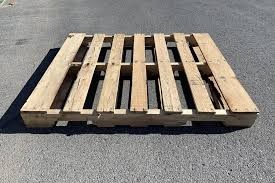
The Complete Guide to Wooden Pallet Disposal: What You Need to Know
If you run a warehouse, a manufacturing floor, or even a small e‑commerce operation, chances are you’re surrounded by wooden pallets. They’re cheap, sturdy, and recyclable—yet when they reach the end of their useful life, you’re left with the question: what do you do with them?
In this post you’ll discover everything you need to know about disposing of wooden pallets responsibly and cost‑effectively. We’ll walk you through the most common disposal routes, the environmental impact of each option, how to calculate the true cost to your business, and the legal considerations you can’t ignore. By the end, you’ll be equipped to make a decision that protects your bottom line and the planet.
1. Why Proper Pallet Disposal Matters
1.1 Environmental Impact
Wooden pallets are a renewable resource, but when they’re simply thrown away they become a source of landfill waste. A single pallet can weigh 30–50 lb (13–23 kg) and contains roughly 15 % of the wood that ends up in municipal landfills each year in the United States. Decomposing wood releases methane—a greenhouse gas 28–36 times more potent than CO₂ over a 100‑year horizon.
1.2 Legal & Regulatory Obligations
Many jurisdictions classify wood waste as organic material that must be managed under local solid‑waste regulations. Failing to comply can result in fines, especially if the pallets are contaminated with chemicals, oil, or hazardous residues.
1.3 Business Reputation
Customers increasingly ask about sustainability practices. Demonstrating a clear pallet‑disposal strategy can boost your ESG (Environmental, Social, Governance) score and differentiate you from competitors.
2. The Main Disposal Pathways
| Disposal Method | Process Overview | Typical Cost* | Environmental Rating | Ideal For |
|---|---|---|---|---|
| Reuse / Refurbish | Clean, repair (replace broken boards, re‑nail), and re‑enter inventory. | $0‑$1 per pallet | ★★★★★ (keeps wood in service) | High‑quality pallets, low damage |
| Repair & Resell | Partner with a pallet broker; they purchase, repair, and resell. | $2‑$4 per pallet | ★★★★☆ | Moderate damage, decent market demand |
| Recycling (Wood Chipping) | Pallets are broken down into wood chips for mulch, fuel, or particleboard. | $0.30‑$0.70 per pallet | ★★★★☆ (upcycles wood) | Heavily damaged, un‑repairable pallets |
| Energy Recovery (Biomass) | Pallets are burned in a biomass plant to generate electricity/heat. | $0.10‑$0.40 per pallet | ★★★☆☆ (combustion emissions) | Large volumes, proximity to plant |
| Landfill Disposal | Pallets are compacted and sent to a landfill. | $0.50‑$1.20 per pallet | ★☆☆☆☆ (waste) | Last resort, contaminated wood |
| Donation / Charitable Programs | Pallets given to NGOs for reuse in housing, farms, etc. | Usually free (transport cost may apply) | ★★★★★ | Good condition, community focus |
*Costs are average U.S. rates (2024) and can vary based on region, volume, and transport distance.
Each option has its own set of pros and cons, and the right choice often depends on the condition of your pallets, your location, and your sustainability goals.
3. How to Assess Your Pallet Inventory
Before you decide on a disposal route, perform a quick audit:
| Step | Action | What to Look For |
|---|---|---|
| 1. Sort by Condition | Separate pallets into Reusable, Repairable, Unusable | Cracked boards, broken nails, water damage |
| 2. Identify Contaminants | Check for oil, chemicals, pesticides, or biological waste | Stains, strong odors, hazardous labels |
| 3. Quantify Volume | Count pallets and weigh them (or estimate using average pallet weight) | 1 pallet ≈ 40 lb (18 kg) |
| 4. Document Age | Note the year of purchase or manufacture if known | Older pallets may have treated wood (e.g., CCA) |
| 5. Map Logistics | Determine distance to nearest recycler, broker, landfill, or donation site | Transport cost driver |
A simple spreadsheet can help you track each category and calculate the total cost for each disposal path.
4. Step‑by‑Step: Setting Up a Sustainable Pallet Disposal Program
4.1 Define Your Goals
- Cost Savings: Reduce out‑of‑pocket disposal fees by 30 % within 12 months.
- Zero Waste: Aim for 90 % diversion from landfills.
- Compliance: Meet local solid‑waste regulations and OSHA safety standards.
4.2 Choose a Partner
- Pallet Brokers – They handle collection, repair, and resale.
- Recycling Facilities – Look for wood‑chip producers with a documented chain‑of‑custody.
- Biomass Plants – Verify they accept wood waste and can provide a certificate of destruction.
- Charities – Local Habitat for Humanity ReStore, food banks, or farm co‑ops often need pallets.
4.3 Create a Standard Operating Procedure (SOP)
| SOP Element | Description |
|---|---|
| Collection Schedule | Weekly pickup for reusable pallets; bi‑weekly for unusable pallets. |
| Sorting Station | Designate a 10 × 10 ft area with bins labeled “Reuse”, “Repair”, “Recycle”, “Donate”. |
| Safety Checks | Inspect for splinters, nails, and contaminants; provide cut‑resistant gloves and steel‑toe shoes. |
| Documentation | Log date, quantity, destination, and cost in your inventory management system. |
| Transport Logistics | Consolidate loads to maximize truck capacity (e.g., 40 pallets per truck). |
| Audit & Review | Quarterly review of diversion rates and cost per pallet. |
4.4 Calculate the True Cost
Use the following formula:
Total Cost per Pallet = (Transport Cost + Disposal Fee + Labor Cost) / Number of Pallets Processed
| Cost Component | Example Rate | Calculation (per 100 pallets) |
|---|---|---|
| Transport (truck, 20 mi) | $0.25/pallet | $25 |
| Disposal Fee (recycling) | $0.50/pallet | $50 |
| Labor (sorting, 2 hrs) | $20/hr | $40 |
| Total | — | $115 → $1.15 per pallet |
Compare this figure against the revenue you might receive from a broker ($2–$4 per pallet) or the savings from avoiding landfill fees.
5. Legal & Safety Considerations
| Issue | Requirement | How to Stay Compliant |
|---|---|---|
| Hazardous Waste | Wood contaminated with chemicals must be treated as hazardous. | Conduct a pre‑disposal test; route contaminated pallets to a licensed hazardous‑waste handler. |
| Treatment Chemicals | Pallets treated with chromated copper arsenate (CCA) are restricted in many states. | Verify treatment type; avoid using CCA pallets for food‑grade applications. |
| OSHA Safety | Employees must be protected from splinters, puncture wounds, and heavy lifting injuries. | Provide PPE, training on proper lifting techniques, and mechanical pallet jacks. |
| Documentation | Some jurisdictions require a “manifest” for wood waste. | Keep a digital log of pallets transferred, including carrier name and destination. |
6. Real‑World Success Stories
6.1 Midwest Distribution Center Reduces Costs by 35 %
A 250,000‑sq‑ft distribution hub in Ohio partnered with a regional pallet broker. By separating pallets on arrival and sending only “repairable” units for resale, they turned a $3.00 per pallet disposal cost into a $2.20 net gain per pallet, saving $140,000 annually.
6.2 West Coast Farm Cooperative Diverts 98 % of Wood Waste
A cooperative of 12 organic farms in Oregon instituted a weekly wood‑chip recycling pickup. The resulting mulch was sold back to the farms, generating $0.15 per pallet in revenue while cutting landfill fees to near zero.
6.3 Urban Retailer Boosts ESG Score with Donations
A boutique retailer in New York City donated 1,200 clean pallets each year to local nonprofits. The move earned them a “Sustainable Business” badge, attracting eco‑conscious shoppers and increasing sales by 4 % during the first year.
7. Frequently Asked Questions (FAQ)
Q1: Can I burn my pallets at home or in a backyard fire pit?
A: Only if the pallets are free of chemicals, nails, and treated wood. However, open‑air burning is often prohibited by local fire codes and contributes to air pollution. Opt for a certified biomass plant instead.
Q2: How do I know if my pallets contain treated wood?
A: Look for stamps such as “CCA,” “ACQ,” or “MTCC” on the pallet side. If you’re unsure, request a certification from the supplier or have a lab test performed.
Q3: Is it worthwhile to repair pallets in‑house?
A: If you have a steady stream of reusable pallets and a skilled maintenance crew, in‑house repair can reduce costs to under $0.50 per pallet. For occasional repairs, outsourcing to a broker is usually more efficient.
Q4: What happens to pallets that are contaminated with food‑grade products?
A: Pallets that have come into contact with food must be thoroughly cleaned and inspected. If they can’t be decontaminated, they should be sent to a certified composting facility that accepts food‑grade wood waste.
Q5: Do I need a special license to operate a pallet‑recycling program?
A: Generally, no. You only need to ensure that your transport carrier holds the appropriate DOT and hazardous‑material endorsements if any pallets are contaminated.
Q6: How can I track my pallet diversion rate?
A: Use a simple spreadsheet or integrate a module in your existing ERP/WMS. Record inbound pallets, sorted categories, and outbound destinations; then calculate:
Diversion Rate = (Reusable + Repaired + Recycled + Donated) / Total Pallets Received × 100%
Q7: Are there tax incentives for pallet recycling?
A: Some states offer rebates or tax credits for businesses that achieve high waste‑diversion percentages. Check with your state’s department of environmental protection for specific programs.
8. Quick Checklist: Your Pallet Disposal Action Plan
- Conduct a pallet condition audit.
- Identify local recycling, broker, and donation partners.
- Draft an SOP for sorting, safety, and documentation.
- Calculate true per‑pallet cost for each disposal option.
- Implement a pilot program for 30 days and monitor diversion rate.
- Review results, adjust partner mix, and set quarterly targets.
9. Bottom Line
Wooden pallets don’t have to become a hidden cost or an environmental liability. By evaluating condition, choosing the right disposal partner, and tracking real costs, you can turn what looks like waste into a source of savings, revenue, and goodwill.
Take the first step today: Pull out that pallet you’ve been meaning to toss, sort it, and see which category it belongs to. The data you gather will guide you toward a disposal strategy that aligns with your budget, your sustainability goals, and the regulations that keep your operation running smoothly.
Ready to get started? Download our free “Pallet Disposal Spreadsheet” (link below) and begin tracking your pallets in minutes.