
Lighten Your Load, Boost Your Bottom Line: Discovering the Power of the Lightweight Euro Pallet (1200 x 800 mm)
Hey there, logistics maestro, supply chain strategist, or business owner always looking for an edge! You know the Euro pallet (1200 x 800 mm) like the back of your hand. It’s the workhorse of European logistics, a familiar sight in warehouses and shipping containers worldwide. But what if we told you there’s a smarter, more efficient, and incredibly cost-effective version ready to revolutionize your operations?
Enter the Lightweight Euro Pallet (1200 x 800 mm). This isn’t just a slightly lighter alternative; it’s a strategic upgrade designed to tackle some of today’s biggest business challenges – from soaring transport costs and environmental concerns to worker safety and operational efficiency. Let’s delve into why these lighter options are becoming the go-to choice for forward-thinking companies like yours.
The Unsung Hero: The Standard Euro Pallet (1200 x 800 mm)
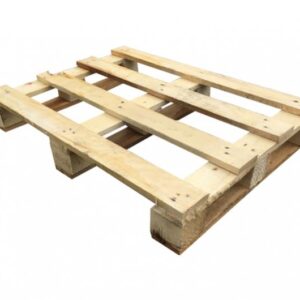
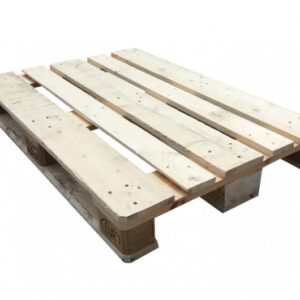
Before we sing the praises of its lighter cousin, let’s acknowledge the foundation. The standard EPAL Euro pallet, typically made of wood, has been the backbone of countless supply chains for decades. Its precise dimensions (1200mm length x 800mm width) ensure seamless compatibility across storage, transportation, and automated systems throughout Europe and beyond.
Here’s a quick look at its traditional characteristics:
| Characteristic | Standard Wooden Euro Pallet (approx.) |
|---|---|
| Dimensions | 1200 x 800 x 144 mm |
| Weight | 25-30 kg (depending on moisture content) |
| Material | Wood |
| Load Capacity | Up to 1,500 kg (dynamic), 4,000 kg (static) |
| ISPM 15 | Requires heat treatment for international shipping |
While robust, that 25-30 kg weight adds up, doesn’t it? Especially when you’re moving hundreds or thousands of pallets. This is where the lightweight revolution begins.
Why Go Lightweight? The Irresistible Benefits
You’re probably thinking, “A lighter pallet? How much difference can that really make?” The answer, my friend, is immense. Switching to lightweight Euro pallets (1200 x 800 mm) isn’t just about shedding a few kilograms; it’s about unlocking a cascade of benefits for your entire supply chain.
1. Significant Cost Savings: Your Wallet Will Thank You
This is often the most compelling reason for businesses to make the switch.
- Reduced Transport Costs: Less pallet weight means more payload capacity for your products and lower fuel consumption per journey. For road, sea, and especially air freight, every kilogram saved translates directly into cost savings. Imagine a truck carrying 33 pallets. If each pallet is 15 kg lighter, that’s almost 500 kg less dead weight per truckload!
- Lower Shipping Fees: Many carriers charge based on weight. A lighter pallet means lower overall shipping charges, boosting your margins.
- Reduced Manual Handling Costs: Easier-to-lift pallets mean less strain on your employees, reducing the risk of injuries, workers’ compensation claims, and lost productivity.
2. Enhanced Environmental Performance: Go Green, Save Green
Operating sustainably is no longer an option; it’s a necessity. Lightweight pallets play a crucial role.
- Lower Carbon Footprint: Less fuel consumption in transport directly reduces greenhouse gas emissions.
- Recyclability: Many lightweight pallets, particularly those made from plastic, are fully recyclable at the end of their long life, contributing to a circular economy.
- Reduced Waste: Their durability often means less frequent replacement, sending fewer pallets to landfill.
3. Improved Operational Efficiency & Safety: A Smoother Operation
Your team’s efficiency and safety are paramount. Lightweight pallets contribute significantly here.
- Easier Handling: Manual handling tasks become less strenuous, leading to faster loading/unloading times and reduced fatigue.
- Increased Worker Safety: Lighter loads mean a lower risk of back injuries, strains, and other musculoskeletal disorders, creating a safer working environment for your team.
- Compatibility: Designed to the same 1200 x 800 mm standards, they seamlessly integrate with your existing forklifts, pallet jacks, and racking systems.
- Nestable Options: Some lightweight plastic pallets are nestable, meaning they can stack into each other when empty, saving valuable storage space in your warehouse or during return transport.
4. Superior Hygiene & Compliance: For Sensitive Industries
For industries with strict hygiene requirements, lightweight pallets, especially plastic ones, are a game-changer.
- Easy to Clean: Non-porous surfaces prevent the absorption of liquids, odors, and bacteria, making them ideal for pharmaceutical, food, and beverage applications.
- Pest and Fungi Resistant: Unlike wood, plastic pallets are impervious to insect infestations and fungal growth.
- ISPM 15 Exempt: Plastic and pressed wood pallets do not require heat treatment for international shipping, simplifying export processes and avoiding potential delays and costs.
The Materials Behind the Marvel: What Makes Them Lightweight?
So, how do these pallets achieve their impressive weight reduction without compromising essential functionality? It’s all about advanced materials and innovative design.
- Plastic Pallets:
- Materials: Typically made from virgin or recycled HDPE (High-Density Polyethylene) or PP (Polypropylene).
- Pros: Extremely durable, consistent weight, hygienic, weather-resistant, non-porous, long lifespan, many are 100% recyclable, often nestable or rackable.
- Cons: Higher initial investment compared to traditional wood, can sometimes have less friction.
- Weight Range: Often between 5 kg and 12 kg for a 1200 x 800 mm version, significantly lighter than wood.
- Pressed Wood Pallets (Engineered Wood):
- Materials: Made from wood chips, resin, and heat-pressed into a single mold. They are essentially a composite material.
- Pros: Lighter than traditional wood (often 9-15 kg for 1200x800mm), ISPM 15 exempt, relatively low cost, readily recyclable as wood waste.
- Cons: Not as durable or weather-resistant as plastic, can splinter if damaged, not suitable for high-humidity environments.
A Quick Comparison: Standard vs. Lightweight
To help you visualize the differences, here’s a comparative table focusing on a 1200 x 800 mm pallet.
| Feature | Standard Wooden Pallet (approx.) | Lightweight Plastic Pallet (approx.) | Lightweight Pressed Wood Pallet (approx.) |
|---|---|---|---|
| Typical Weight | 25 – 30 kg | 5 – 12 kg | 9 – 15 kg |
| Durability | Good | Excellent | Good |
| Initial Cost | Low | High | Medium |
| Hygiene | Poor (porous) | Excellent (non-porous) | Good (less porous than solid wood) |
| ISPM 15 Exempt | No (requires treatment) | Yes | Yes |
| Weather/Moisture | Poor (absorbs, rots) | Excellent (resistant) | Poor (can warp/degrade) |
| Recyclability | Yes (as wood waste) | Yes (into new plastic products) | Yes (as wood waste) |
| Nestable? | No | Often | Often (space-saving) |
| Best For | General-purpose, heavy loads | Food, Pharma, Export, Automated | One-way export, light-medium loads |
Real-World Impact: Illustrative Cost Savings
Let’s put some numbers to those transport cost savings. Imagine your business ships 100 pallets a week using standard wooden pallets, and you switch to lightweight plastic pallets, saving 15 kg per pallet.
| Factor | Calculation | Standard Pallets | Lightweight Pallets | Savings |
|---|---|---|---|---|
| Pallet Weight | Per pallet | 25 kg | 10 kg | 15 kg/pallet |
| Total Pallet Weight | 100 pallets x Pallet Weight | 2,500 kg | 1,000 kg | 1,500 kg per week |
| Annual Pallet Weight | Total Pallet Weight x 52 weeks | 130,000 kg | 52,000 kg | 78,000 kg per year! |
| Fuel Savings (Est.) | At 0.5L fuel per 100km per 1000kg (example) | – | – | Significant (based on your specific routes and fuel prices) |
| Air Freight Savings | At $2/kg (example) | – | – | $3,000 per week ($156,000 per year) if air freight! |
Note: Fuel savings are highly dependent on distance, vehicle type, and current fuel prices, but the reduction in dead weight consistently translates to less energy consumed.
This illustrative table highlights how a seemingly small change per pallet can lead to monumental savings over time, especially for operations with high volumes or international air freight.
Who Benefits Most From Lightweight Euro Pallets?
You might find your industry here:
- E-commerce & Retail: Fast-moving goods, often shipped directly to consumers, benefit immensely from reduced shipping costs.
- Food & Beverage: The hygiene benefits of plastic pallets are critical for preventing contamination.
- Pharmaceuticals & Healthcare: Strict regulatory compliance and cleanliness make lightweight plastic pallets ideal.
- Automotive: Parts are often shipped in large volumes, making weight savings crucial.
- Export-Oriented Businesses: ISPM 15 compliance for plastic and pressed wood simplifies international logistics.
- Any Business Focusing on Sustainability: Companies committed to reducing their carbon footprint will find these pallets align perfectly with their goals.
Making the Switch: Key Considerations For You
Ready to explore the benefits for your business? Here are a few things to consider:
- Assess Your Load Requirements: While lighter, these pallets come in various load capacities. Ensure the lightweight option you choose can comfortably handle your typical static and dynamic loads.
- Evaluate Your Handling Systems: Lightweight pallets (1200 x 800 mm) are designed to fit standard equipment, but it’s always good to double-check compatibility with any automated systems you may use.
- Consider Your Operational Environment: Will the pallets be exposed to extreme temperatures, chemicals, or frequent washing? This will guide your choice between plastic and pressed wood.
- Long-Term vs. One-Way Use: For closed-loop systems or frequent reuse, durable plastic pallets offer the best ROI. For one-way international shipments, pressed wood might be a more economical choice.
- Budget and ROI: While initial costs for plastic pallets can be higher, calculate the long-term savings from reduced transport, fewer replacements, and improved safety. The ROI is often surprisingly quick.
Conclusion: It’s Time to Lighten Up
The lightweight Euro pallet (1200 x 800 mm) isn’t just a trend; it’s a smart, strategic evolution in logistics. By embracing these innovative solutions, you’re not just reducing a few grams of weight; you’re significantly impacting your overheads, streamlining your operations, enhancing worker safety, and contributing to a more sustainable future.
Don’t let outdated pallet choices weigh down your business any longer. It’s time to lighten your load and empower your supply chain for success. Explore the lightweight Euro pallet options available to you today and discover the difference they can make!
Frequently Asked Questions (FAQ) about Lightweight Euro Pallets
Q1: Are lightweight pallets strong enough for heavy loads? A1: Absolutely! While lighter in weight, modern lightweight pallets are engineered using advanced materials and designs to maintain impressive load-bearing capacities. You can find lightweight plastic pallets with dynamic load capacities ranging from 500 kg up to 1,500 kg or more, making them suitable for many industries. Always check the specific load ratings for the pallet you’re considering.
Q2: Are lightweight pallets more expensive than traditional wooden pallets? A2: The initial purchase price for lightweight plastic pallets can be higher than new wooden pallets. However, when you consider the total cost of ownership, including significant savings on transport (fuel, freight charges), reduced damage, longer lifespan, lower maintenance, and ISPM 15 exemption, lightweight plastic pallets often offer a much better return on investment over time. Pressed wood pallets are usually more competitively priced, closer to traditional wood.
Q3: Are lightweight Euro pallets compatible with existing forklifts and racking systems? A3: Yes, completely! Lightweight Euro pallets adhere to the standardized dimensions of 1200 x 800 mm, ensuring seamless compatibility with all standard handling equipment, including forklifts, pallet jacks, and automated systems, as well as most racking configurations. You won’t need to make any costly adjustments to your current infrastructure.
Q4: What’s the typical lifespan of a lightweight pallet compared to wood? A4: Lightweight plastic pallets are renowned for their exceptional durability and long lifespan, often lasting 10 years or more with proper use. They are resistant to moisture, chemicals, and pests, which significantly extends their working life compared to wooden pallets, which can splinter, break, or degrade. Pressed wood pallets have a good lifespan but are generally less durable than plastic.
Q5: Are lightweight pallets a good choice for international shipping? A5: Yes, they are an excellent choice! Both plastic and pressed wood lightweight pallets are exempt from ISPM 15 regulations, which require the heat treatment or fumigation of solid wood packaging materials for international shipment. This exemption simplifies customs procedures, eliminates treatment costs, and avoids potential delays, making them ideal for global logistics.


Reviews
There are no reviews yet.